
Daycare was supposed to be our little daughter’s happy place. But then came the tantrums, and the tears, and each mention of “daycare” filled her with dread. When we uncovered the terrifying truth behind those bright, cheery doors, we were shattered.
The clock on my nightstand blinked 6:30 a.m. I sighed, steeling myself for another morning of tears and tantrums. Beside me, my husband Dave stirred, his face etched with the same worry that had become a haunting presence over the past few weeks.
“Maybe today will be different,” he murmured, though his voice lacked conviction.

I wished I could share even that faint hope, but the memory of our daughter Lizzie’s tear-stained face was too fresh, too raw.
It hadn’t always been this way. When we first enrolled Lizzie in Happy Smiles Daycare, she’d been ecstatic—our bubbly four-year-old chattering nonstop about the colorful playrooms, the kind teachers, the toys, and all the new friends she would make.
For the first few days, drop-offs were easy. Lizzie practically dragged us through the doors.
But after two weeks, everything changed.
It began with reluctance—slow steps, pleading eyes.
One morning, as I helped Lizzie into her favorite purple jacket, she burst into tears.
“No daycare, Mommy! Please! Don’t send me there.”
I froze, stunned.
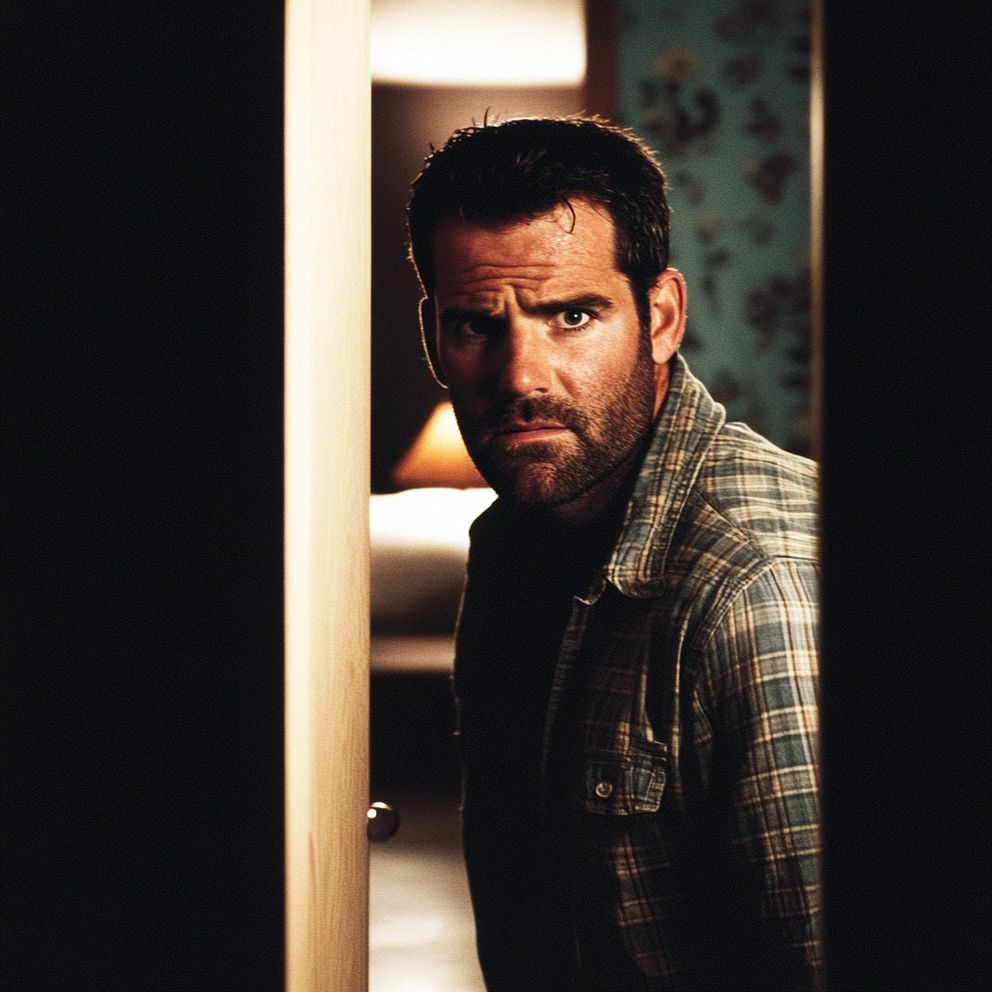
“Sweetie, what’s wrong? I thought you liked it there.”
Lizzie shook her head as sobs wracked her tiny body.
Dave appeared in the doorway, concern etched across his face.
“Everything okay?”
“She doesn’t want to go to daycare,” I explained.
“It’s just a phase,” Dave said, trying to reassure us both.
But within days, it escalated into full-blown hysteria.
Our once-vivacious child turned into a shrieking, sobbing mess at the mere mention of daycare. And no matter how gently we asked her what was wrong, she remained tight-lipped.
We tried everything—bribes, pep talks, letting her bring her beloved bear, Mr. Snuggles. Nothing worked.

When we asked her teachers, they insisted Lizzie was “fine” once we left. Quiet, maybe withdrawn, but nothing alarming. Their reassurances didn’t settle the knot in my stomach.
“I don’t understand,” I told Dave one night. “She used to love it. What changed?”
Dave hesitated before saying, “I have an idea. It’s unorthodox… but it might help.”
He wanted to hide a small microphone inside Mr. Snuggles.
The idea felt intrusive, but the memory of Lizzie’s sobbing face pushed my hesitation aside.
“Okay,” I whispered. “Let’s do it.”
The next morning, with the microphone hidden and linked to Dave’s phone, we endured the now-familiar tears. As I buckled Lizzie into her car seat, guilt twisted in my gut—but so did hope.
After dropping her off, we sat in the parking lot and listened.
For several minutes, we heard typical daycare sounds—children laughing, toys clattering.
Then a strange muffled voice cut through.
“Hey, crybaby. Miss me?”
Dave and I froze. It wasn’t an adult. It was another child.

“Remember,” the voice continued, “if you tell anyone, the monster will come for you and your parents. You don’t want that, do you?”
Lizzie’s small, trembling voice whispered, “No, please go away. I’m scared.”
“Good girl. Now give me your snack. You don’t deserve it anyway.”
My blood ran cold.
Without another word, we sprinted into the daycare.
“We need to see Lizzie. Now,” Dave demanded.
Through the classroom window, we saw Lizzie huddled in a corner, clutching Mr. Snuggles. A slightly older girl stood over her, hand outstretched, waiting for Lizzie’s snack.
Dave played the recording for the teacher. Her face turned white.
“That’s Carol,” she whispered. “But I had no idea…”
“Well, now you do,” I said sharply. “And you’re going to do something about it.”
What followed was a whirlwind—Carol’s parents, the daycare director, shocked faces, apologies. Carol was expelled immediately.
But all I cared about was our daughter.
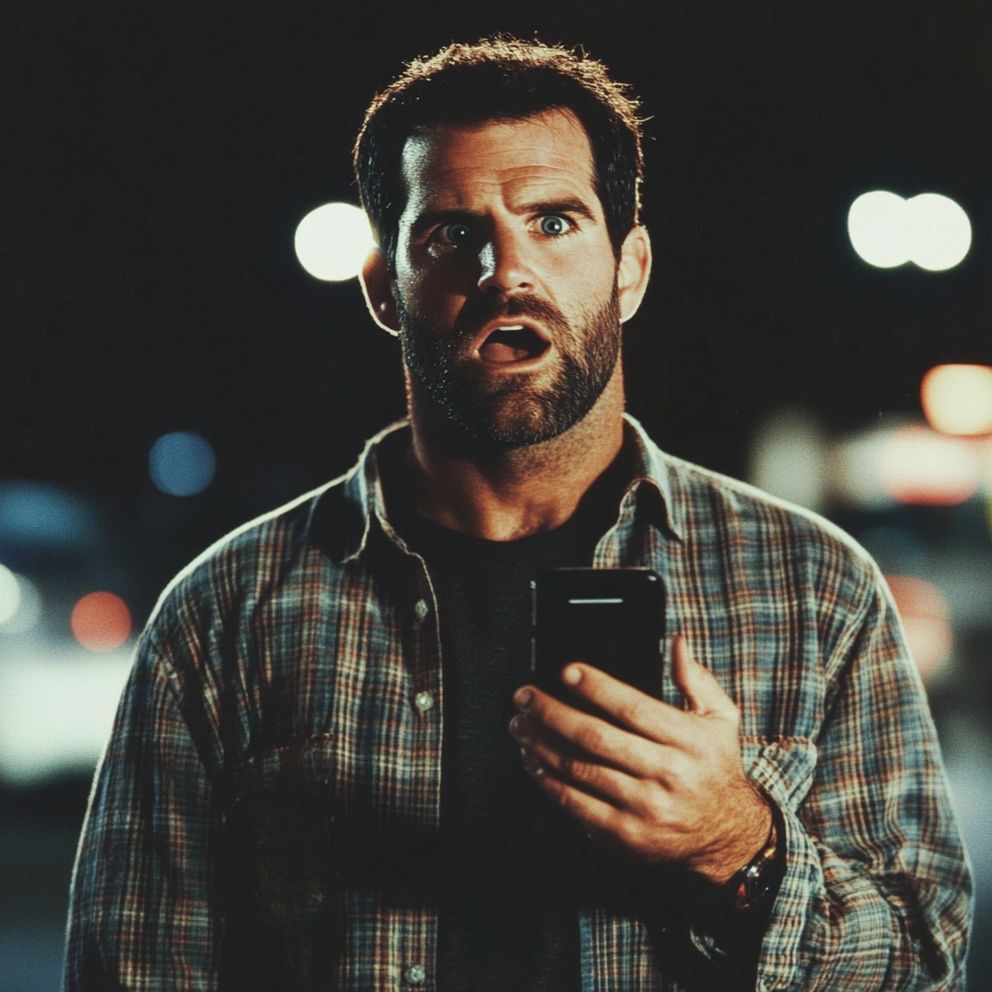
“Mommy! Daddy!” Lizzie cried when she saw us, running into our arms. Her tiny body trembled as we held her.
“It’s okay,” I murmured. “You’re safe now. We know everything.”
On the drive home, Lizzie began to open up between hiccuping sobs.
“Carol said there were monsters in the daycare,” she whispered. “Scary ones with sharp teeth. She showed me pictures.”
“She said if I told, the monsters would hurt you and Daddy.”
“There are no monsters, honey,” Dave said, voice shaking. “Carol lied to scare you.”

“I’m sorry I didn’t tell you,” Lizzie whimpered.
“You have nothing to be sorry for,” Dave assured her. “You were very brave.”
That night, Lizzie slept peacefully for the first time in weeks.
Over the next few days, we kept her home while searching for a new daycare and arranged for her to see a child psychologist.
To our surprise, Carol’s parents reached out. They were devastated by their daughter’s behavior. After discussing it, we agreed to meet.
The meeting was tense but revealing. Carol had been struggling—her parents had recently separated, and she’d been acting out in ways they hadn’t fully noticed. They were seeking help for her and wanted to make amends.

“We’re so sorry,” Carol’s mother said through tears. “We had no idea.”
“Our main concern is Lizzie’s safety,” I said gently. “But we hope Carol gets the help she needs too.”
As we left, Lizzie tugged my hand.
“Mommy… how did you know I was scared at daycare?”
I hesitated, then smiled.

“Because mommies and daddies have superpowers. We always know when our little ones need help.”
“Really?” she breathed.
“Really. And we’ll always keep you safe.”
As we walked to the car, I silently vowed to always trust my instincts. We were lucky this time—but the lesson was clear: when it comes to our children, you can never be too attentive.
