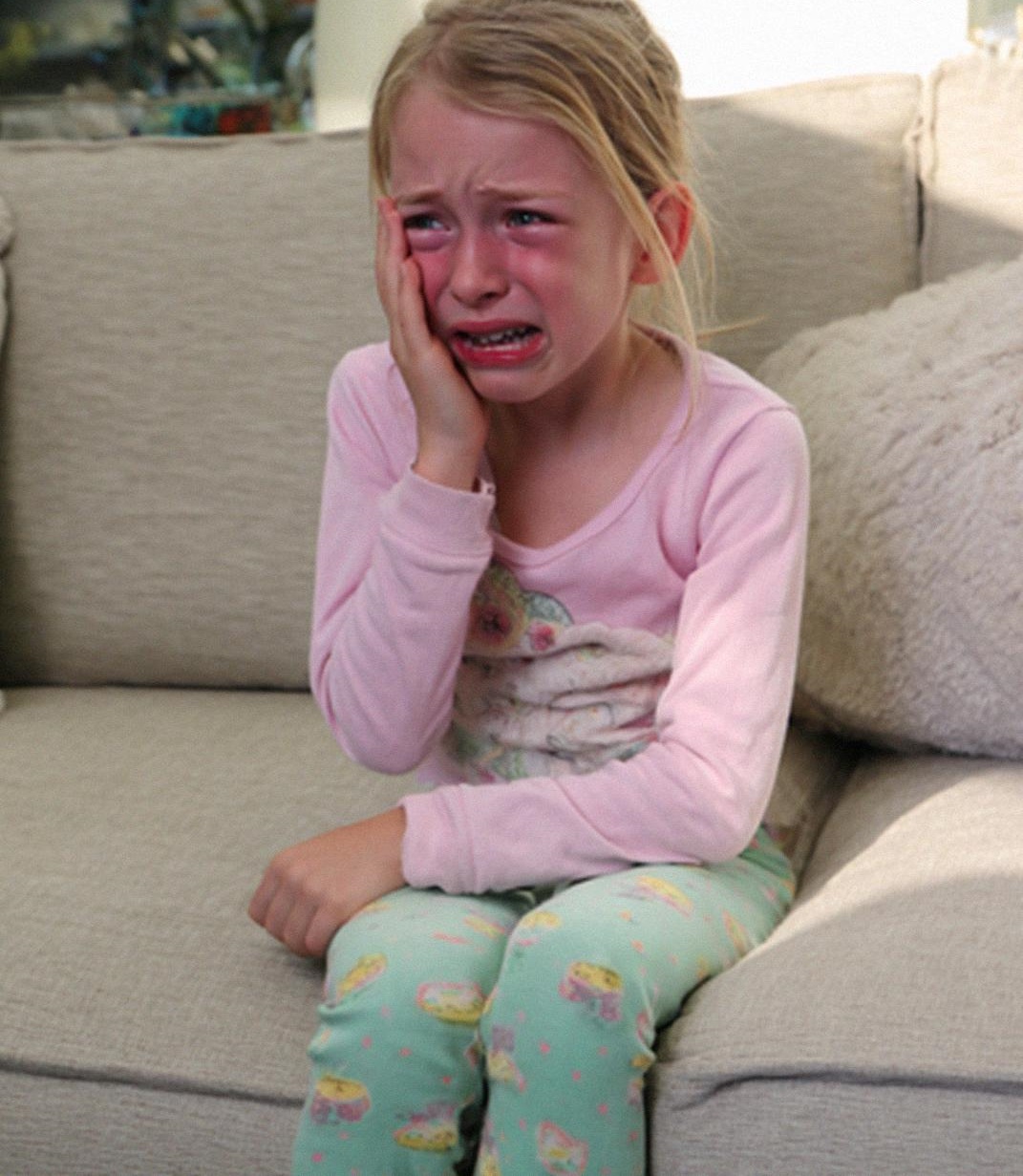
When no one believed my daughter’s tears about her cousins’ cruelty, I decided to let technology do the talking. What I captured on hidden cameras shattered my family’s illusions and exposed a truth none of them wanted to see.
I’m 46 years old, married to the love of my life, and we have one daughter, Zoey, who is 14.
For years, our house was everything I dreamed of as a father. Laura would hum while cooking dinner, Zoey would sprawl on the living room carpet working on her art projects, and I’d come home from work to the sound of their laughter echoing through the halls.
That all changed ten months ago when my wife’s brother, Sammy, went through a messy divorce that left him with nowhere to go.
Sammy had been married for nearly eighteen years, but he was never much of a partner. He bounced between jobs, chasing get-rich-quick schemes while his wife, Sarah, carried the household. She worked steadily, paid the mortgage, and raised their twin daughters while Sammy spent his time gaming or drinking with friends.
Laura always defended him. “He’s just going through a rough patch,” she’d say.
Eventually, Sarah had enough. She filed for divorce, presenting years of documentation showing unpaid bills and financial irresponsibility. The court granted her the house. Sammy walked away with debt and custody of the twins, Olivia and Sloane, who refused to live with their mother.
Sammy had nowhere to go. His parents refused to help. His siblings kept their distance. So Laura begged me to let them stay with us temporarily.
Reluctantly, I agreed.
From the moment they moved in, things felt wrong.

Zoey is quiet and gentle. She loves drawing fantasy worlds, playing guitar badly but enthusiastically, and avoids conflict at all costs.
Olivia and Sloane were the opposite.
They barged into Zoey’s room without knocking, took her clothes, ruined her art supplies, and treated her like she existed solely for their amusement. When Zoey asked them politely to stop, they mocked her.
Within weeks, Zoey was crying to me almost daily.
I confronted Sammy, but he brushed it off as “normal teenage behavior.” Laura, too, believed Zoey was overreacting, insisting she just needed to learn to share.
Whenever Laura was around, Sammy and the twins transformed into model houseguests. They cleaned, smiled, complimented meals, and played their roles perfectly. Laura believed everything was fine.
Zoey knew it wasn’t.
She begged us to believe her. Her voice cracked. Her hands shook. She wasn’t jealous—she was scared and exhausted.
The night Laura finally snapped at Zoey for “exaggerating,” something in me broke.
I realized talking wouldn’t fix this. Words could be denied. Excuses could be made.
Evidence couldn’t.
The next morning, I bought hidden cameras. One went in Zoey’s room, one in the hallway, and one in the living room. No one knew.
Within three days, I had undeniable proof.
The footage showed the twins stealing, mocking Zoey’s drawings, shoving her, reading her private journal aloud, and laughing when she cried. One clip showed Sloane knocking Zoey’s laptop off her desk, shattering it, while Olivia laughed.
I sat alone watching the recordings, shaking with rage.
I didn’t confront them immediately. I wanted the truth revealed all at once—no denials, no manipulation.
A week later, I announced a family movie night.
Instead of a movie, I played the footage.
For forty-five minutes, the truth filled the room.
Laura’s face collapsed as she realized she’d failed our daughter. Sammy panicked. The twins tried to stop the video, but it was too late.
When the footage ended, I told Sammy and his daughters to pack their things and leave that night.
Laura backed me without hesitation.
Within two hours, they were gone.
Afterward, Laura held Zoey and sobbed, apologizing over and over for not believing her. Zoey finally felt safe in her own home again.
That night, as I packed the cameras away, I understood something important.
Sometimes being a parent means finding a way to make your child’s voice impossible to ignore—especially when the adults around them refuse to listen.
