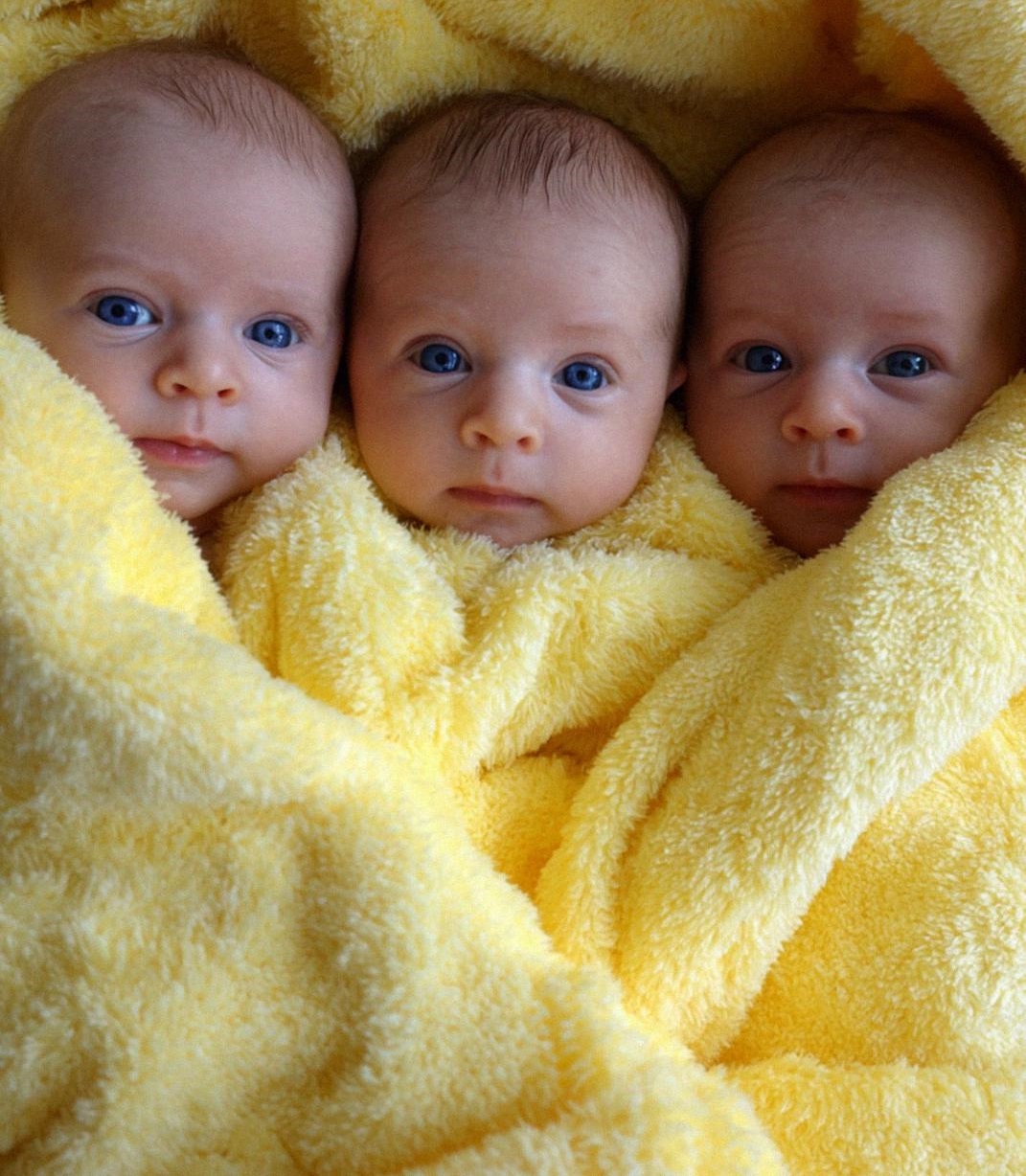
When Allison’s husband vanishes just days after she gives birth to triplets, she’s forced to rebuild her life from the ground up. Twelve years later, a chance encounter threatens the peace she’s fought so hard to protect, and the truth she thought was behind her begins to twist into something else.
I was 23 when Adam walked out of our lives, and even now, at 35, I can still hear the silence he left behind. There was no final conversation. No apology. Just the sound of the hospital door closing behind him while I took turns holding our newborn triplets in my arms. I was stunned, stitched, and entirely alone.
I couldn’t even hold all three at once. Amara was on my chest, Andy was crying in a bassinet, and Ashton had just been handed to me by a nurse.
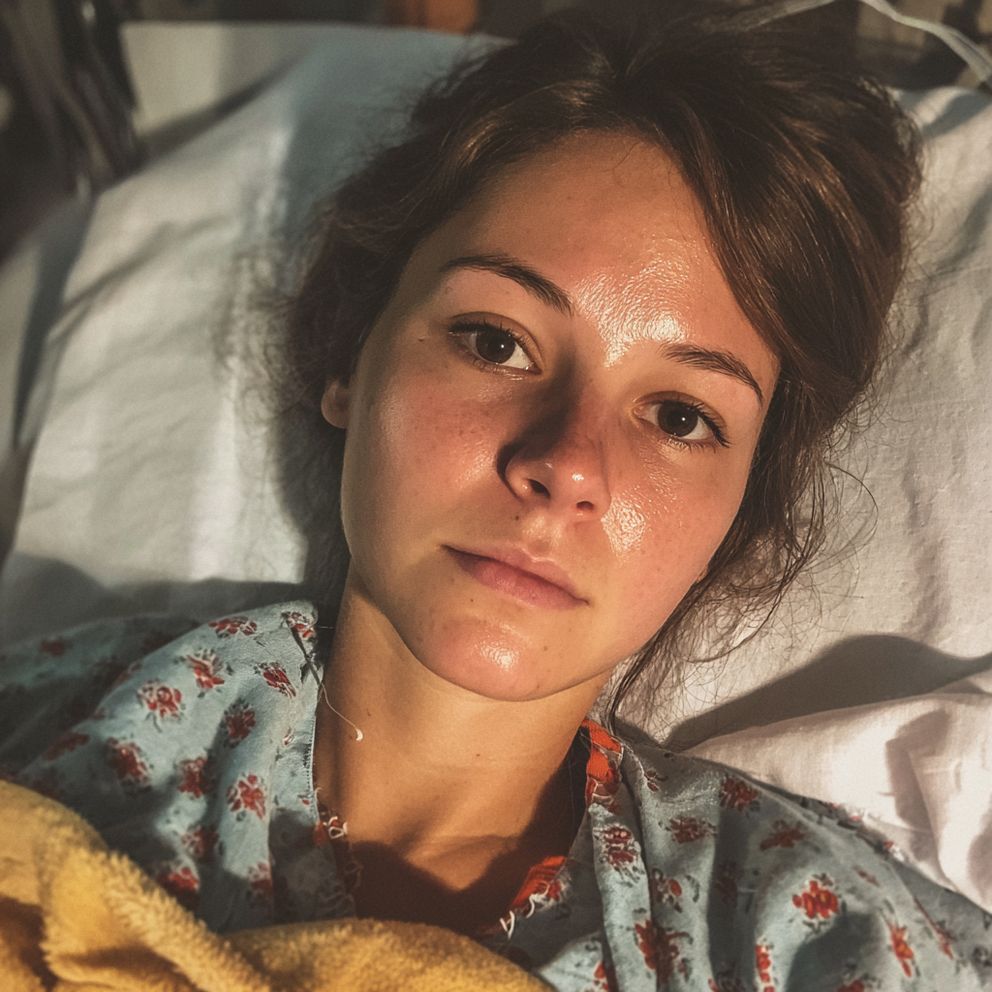
My body was wrecked, my brain fogged from painkillers and panic, but I still looked toward Adam, waiting for the steady smile he’d worn through my pregnancy — the one that said, We’ve got this.
Instead, I just saw fear.
“I… I need some air, Allison,” he muttered, avoiding my eyes. “Just a minute.”
That minute turned into an hour. Then two hours. Then two days.
My discharge papers were being drawn up. All three babies were healthy, and I wanted to get them out of the hospital as soon as possible. Nurses bundled them carefully, offering warm smiles and sympathetic glances.
Adam never came back.
I left the hospital alone two days later, my arms full of newborns, my chest hollowed out by a panic I didn’t know was possible. Adam had taken the car. He said he’d be right back, and I believed him.
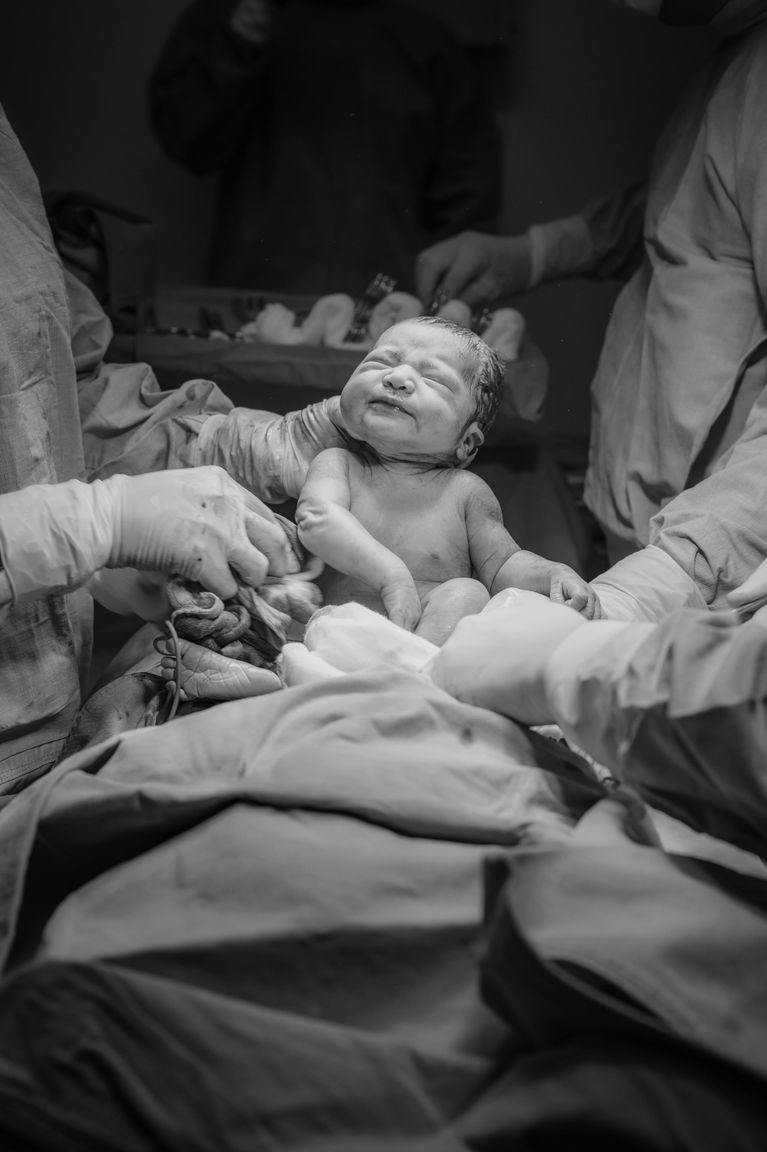
I waited. I nursed, rocked, and cried quietly when no one was looking. When the nurse asked again if someone was coming to pick us up, I nodded and reached for my phone.
I barely remember calling the cab company. I sat in the lobby with three tiny babies strapped into carriers, trying to look calm, capable — like someone who had a plan.
But I didn’t.
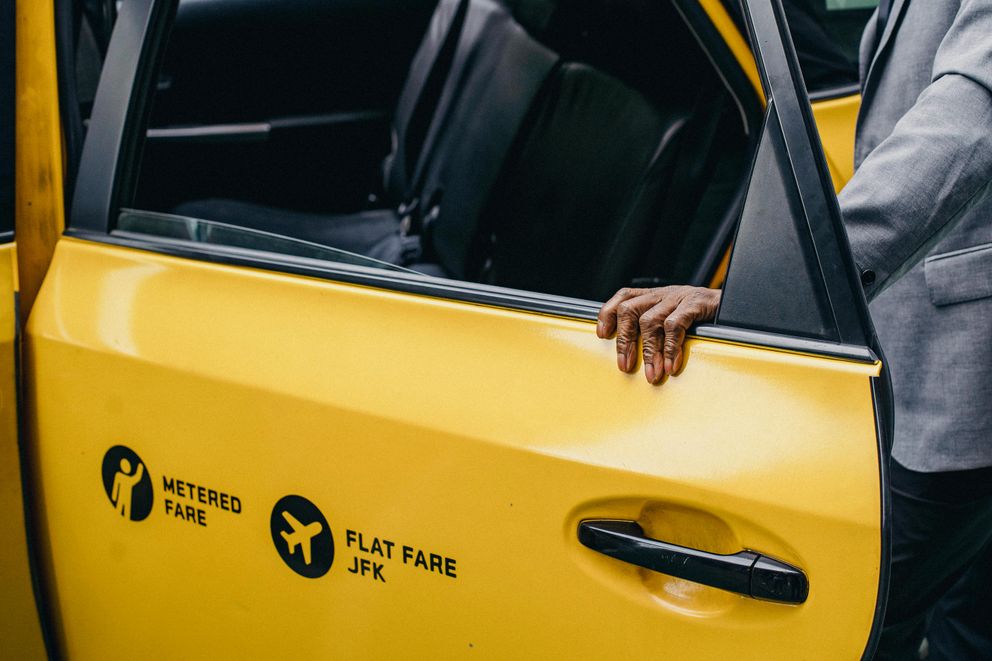
The cab driver was kind. He helped me load the babies without asking questions. The ride was quiet, except for soft whimpers from the back seat. I kept looking out the window, half-expecting Adam to come running after us.
He didn’t.
When we reached our apartment, the living room light I’d left on days earlier was still glowing. I stood in the doorway for a long time, wondering how I was supposed to walk inside and pretend it was still home.
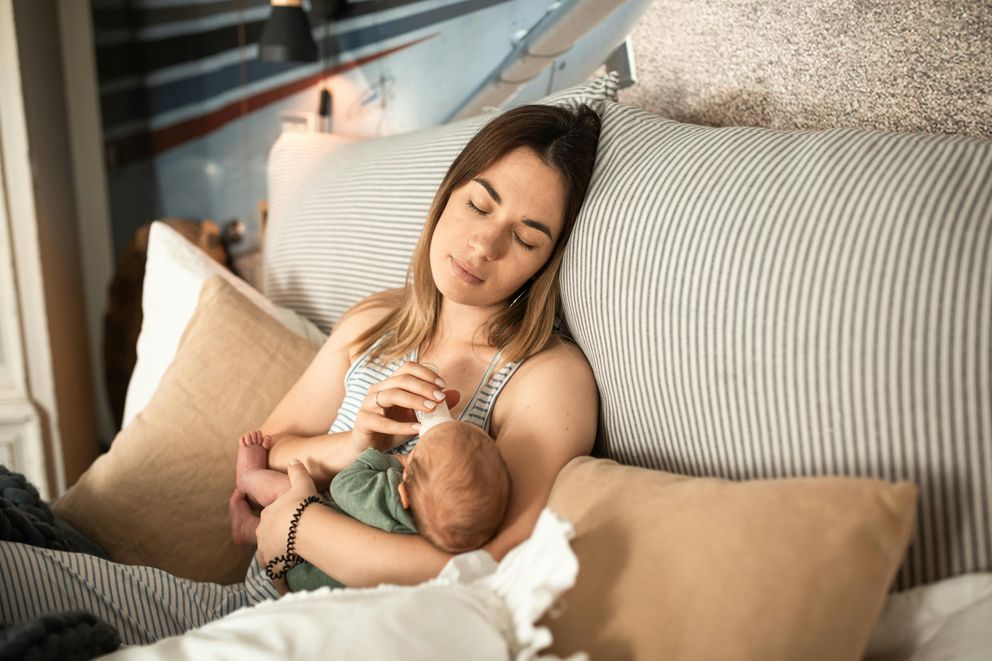
That first night was a blur of crying — theirs and mine. I tried to breastfeed, but nothing felt natural. My body hurt, my nerves were shot, and the babies needed more than I could give. I moved on instinct and adrenaline. Sleep became a luxury I couldn’t afford.
Days blurred together. I stopped answering calls. I stopped opening the curtains. Even daylight felt cruel.
One night, after the babies finally slept, I called Greg — Adam’s best friend. I don’t remember choosing his name. I just needed someone to hear me breathe.
“I’m sorry,” I said when he answered. “I didn’t know who else to call.”
“I’m coming over,” he said.
Thirty minutes later, he stood at my door with diapers and groceries. He didn’t stare at my mess or ask where Adam was. He just rolled up his sleeves and helped.
He fed babies, folded laundry, took out trash, and told me to shower. He stayed the night on the couch. We took turns with feedings. Slowly, for the first time in days, I exhaled.
Greg kept coming back.
He never made promises, never pushed. He simply showed up — again and again. Somewhere along the way, my body stopped bracing when he entered the room. One night, as I cried on the bathroom floor, I heard him humming a lullaby to Amara — the same one my mother used to sing.
That was the moment I let my guard down.
Love didn’t rush in. It grew steadily, built on intention. Greg chose us — all four of us — every single day.
By the time the triplets turned four, he proposed. We married in a small backyard ceremony, surrounded by string lights and laughter. The kids already called him Dad.
Greg never tried to erase Adam. He just filled the space Adam left behind.
I went back to school, built a career, and together we bought a modest home. The kids thrived — each in their own loud, beautiful way.
Then, twelve years after Adam vanished, I saw him again.
It was a rainy afternoon. I ducked into a coffee shop and nearly collided with a man near the counter.
“Allison?”
I knew his voice before I saw his face.
Adam looked older, thinner, worn down. But his eyes were the same.
“I need your help,” he said.
I stared at him in disbelief.
“I’ve been trying to find you,” he said. “I need $5,000.”

The audacity took my breath away.
“You disappeared,” I said. “I gave birth to your children, and you disappeared.”
“I was scared,” he said. “I was 23.”
“So was I,” I snapped. “I didn’t get to run.”
When he threatened to “tell the truth” about why he left, I walked away.
Greg and I went straight to the police.
Adam was arrested for extortion. When confronted, he tried to rewrite the past, claiming I had cheated and the babies weren’t his.
The lies hung heavy in the room.
We didn’t tell the kids about his return. They know Adam left. But more importantly, they know what it means to stay.
Adam may have given them life.
Greg gave them everything else.
In the end, I learned this: the people who stay are the ones who matter. And sometimes, the worst thing that ever happens to you becomes the reason your life turns out exactly right.
