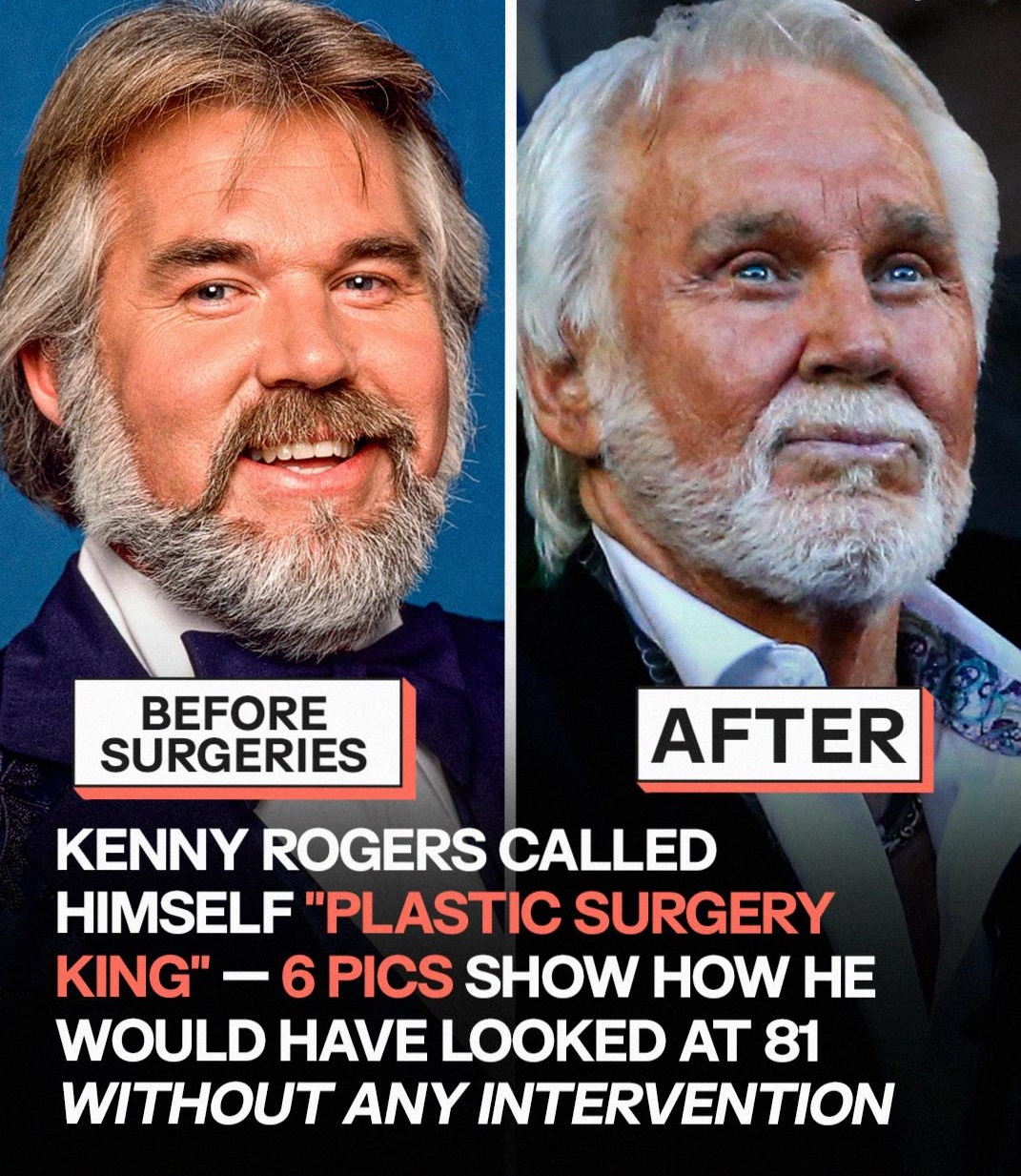
From rising star to country legend, Kenny Rogers’ face changed as much as his fame grew. Now, artificial intelligence explores the version of him fans never got to see — untouched by surgery.
Kenny Rogers was never one to shy away from the truth, especially about himself. Over the years, fans watched as his face changed dramatically, a transformation he later admitted wasn’t entirely natural.
Years after his death, artificial intelligence has rendered a compelling vision of what he may have looked like had he aged without surgery. Paired with real moments from his decades-long career, this journey reveals not only the physical evolution of a country music icon, but the human story behind it.
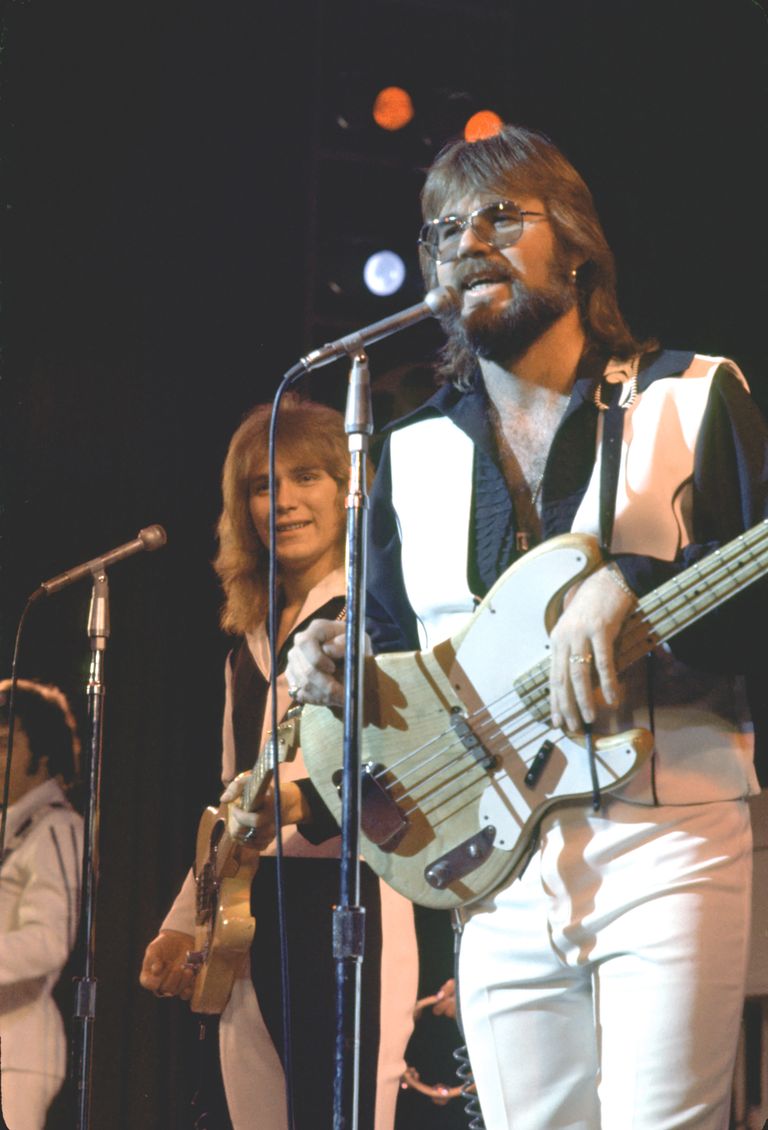
In the 1960s, Rogers appeared almost unrecognizable to fans who knew him in his later years. With tousled dark hair, a full beard, and amber-tinted aviator glasses, he gave off a laid-back yet quietly intense presence. Often dressed in open-collared sweaters, he looked more like an emerging folk-rock artist than the polished country superstar he would later become.
As the years progressed, Rogers’ look began to evolve alongside his career. By the late 1970s, he had fully embraced his status as a mainstream star. His hair was feathered and silvered, his beard carefully sculpted, and his skin noticeably smoother. Tailored clothing and gold accessories completed a controlled, polished image that matched his chart-topping success.
Throughout the 1980s, Rogers’ appearance remained refined and consistent. His hair stayed full and white, his beard neatly trimmed, and his facial features appeared well-maintained as he balanced approachability with larger-than-life stardom.
By the early 1990s, Rogers leaned into a more theatrical sense of style. He wore bold outfits while maintaining a familiar smile that combined showmanship with warmth. His smooth forehead and pronounced cheekbones suggested careful attention to his appearance.
Early 2000s
By 2003, subtle but noticeable changes appeared. His skin looked tighter and smoother, particularly around the eyes and forehead. While he remained sharp and stylish, the natural aging process appeared softened by cosmetic intervention.
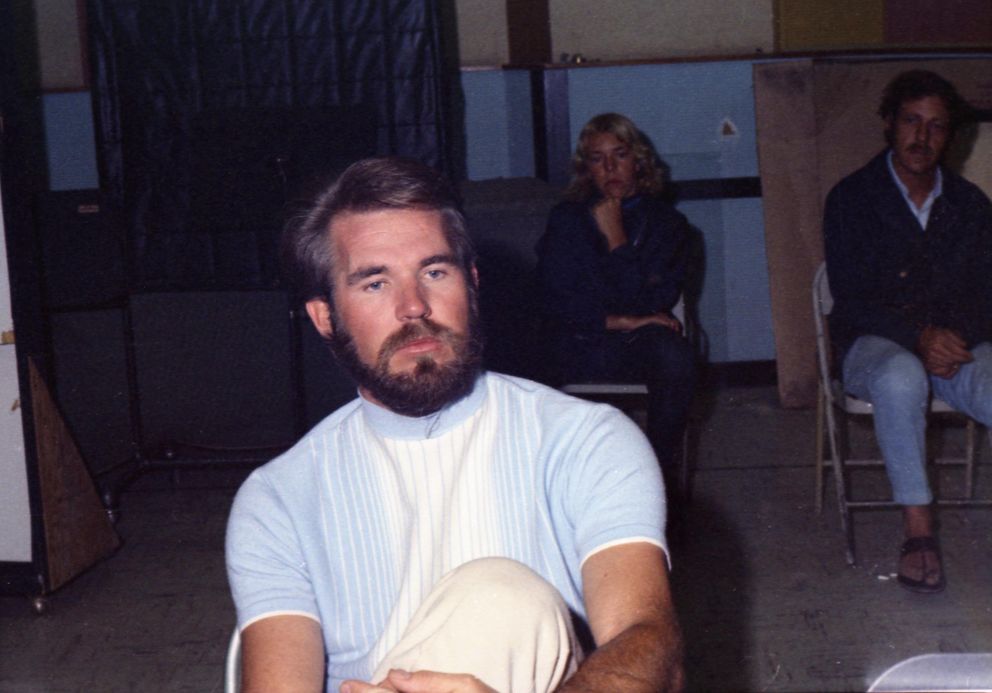
In 2009, Rogers spoke openly about plastic surgery and even joked about it.
“I’m the plastic surgery king. I’m a bionic man! Every part of my body has been scooped or something at one time. I kinda wish I hadn’t done it. I had my eyes done. Looking back at some pictures of myself, my eyes were a lot warmer than they are now, and I miss that.”
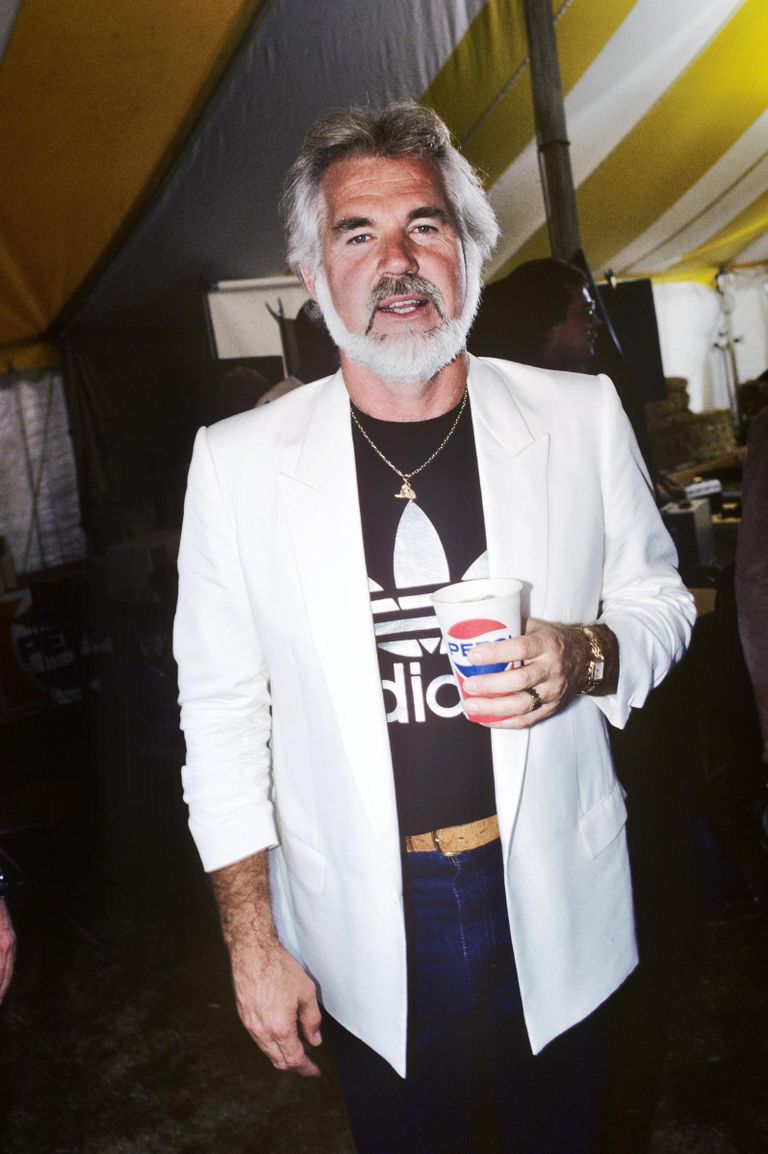
By 2012, his features appeared more taut, with lifted eyes and smoothed skin reflecting years of cosmetic procedures. That same year, Rogers admitted with honesty that he regretted some of his choices.
“I was trying to hide myself,” he said. “I regret that. The truth is, I don’t know what I would have looked like if I hadn’t done it.”
By 2015, Rogers addressed public curiosity with humor. He acknowledged the difficulty of being scrutinized, even when rumors were true. Longtime friend Dolly Parton teased him affectionately, saying she thought he had grown into his facelift. Rogers took no offense, saying they laughed about everything.
Parton later defended him, noting that even successful surgery can alter expressions and personality.
Final Years
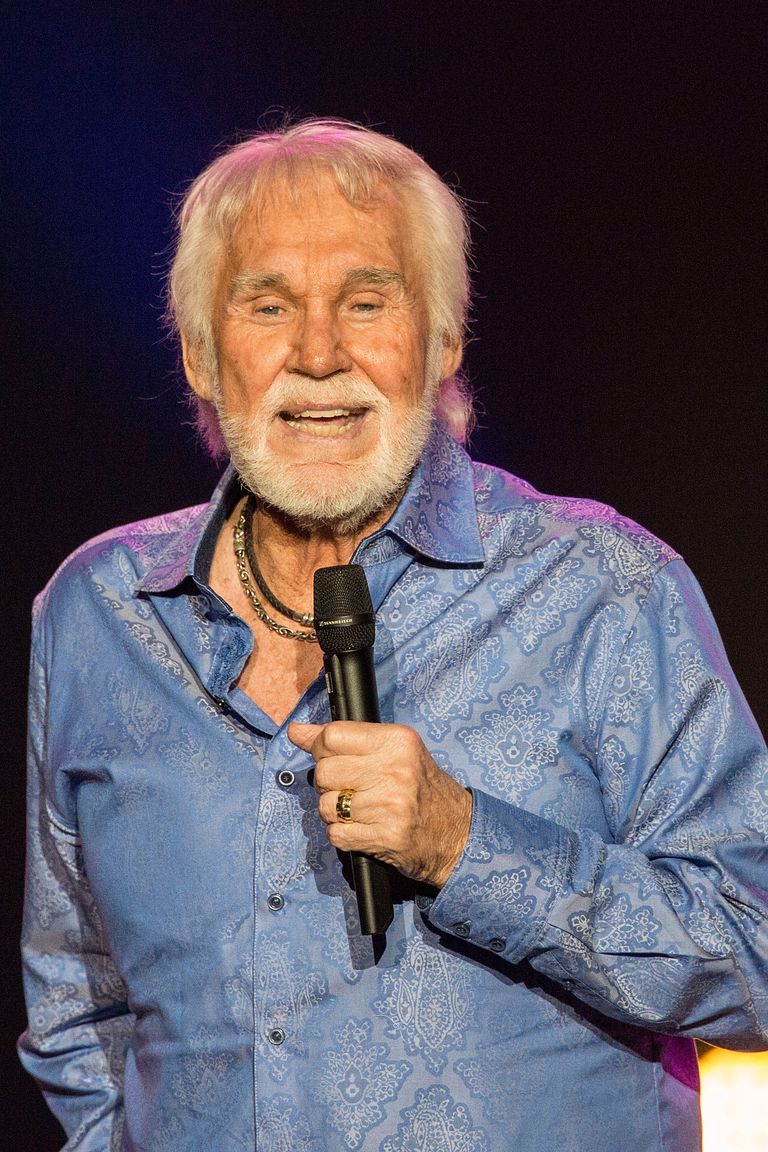
In the years leading up to his death in March 2020, Rogers continued to be candid about his regrets. His appearance became part of the broader conversation surrounding fame, aging, and the pressures of life in the public eye.
In 2025, an aesthetic surgeon suggested that some procedures — particularly around Rogers’ eyes and brows — may have been overly aggressive, resulting in a stretched, tense appearance rather than a natural one.
Thanks to AI, audiences can now glimpse what Rogers might have looked like had he aged naturally. The reimagined portraits show softer creases, expressive eyes, and a weathered warmth that mirrors the soul found in his music.
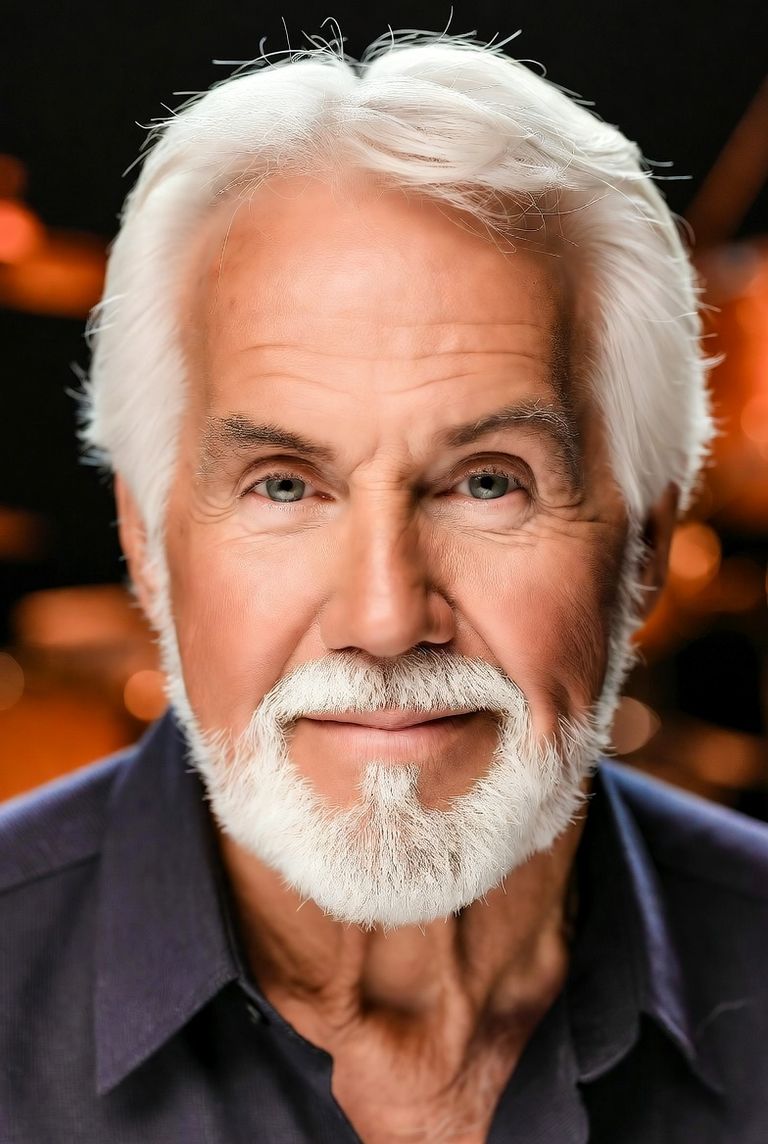
His brows sit comfortably, his skin shows natural depth and character, and his expression carries quiet strength reminiscent of his earlier years.
While his face evolved over time, his voice and legacy remained untouched. Together, the real and reimagined images tell a story not just of one man’s choices, but of the pressures that come with a life in the spotlight.
In the end, no surgery could ever overshadow what truly made Kenny Rogers timeless.
