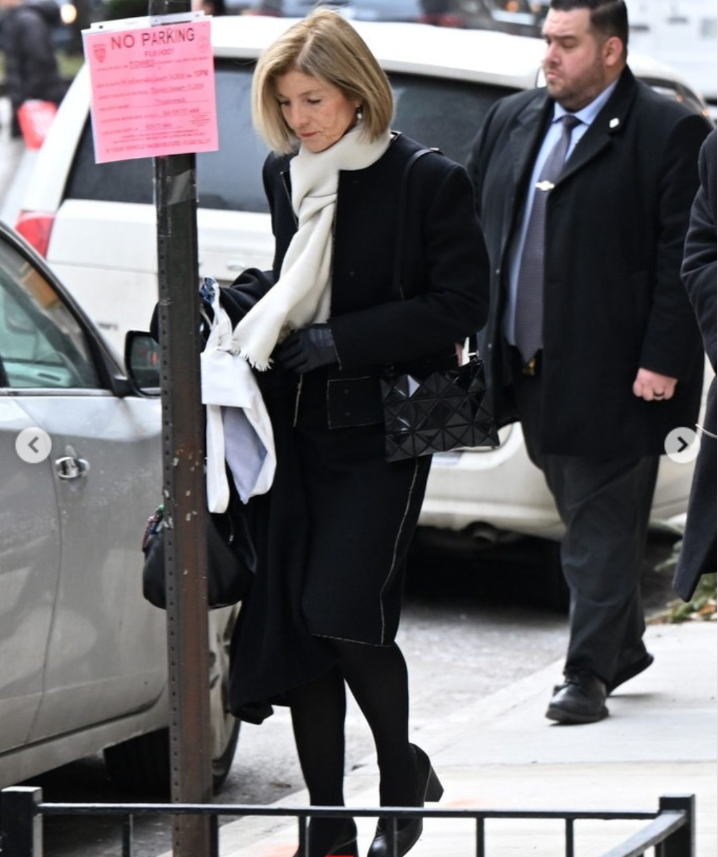
A quiet stillness settled over Manhattan’s Upper East Side on Monday morning, broken only by the slow arrival of mourners dressed in dark coats and lowered gazes.
Outside the church doors, grief unfolded without spectacle — in clasped hands, tearful pauses, and faces marked by loss.
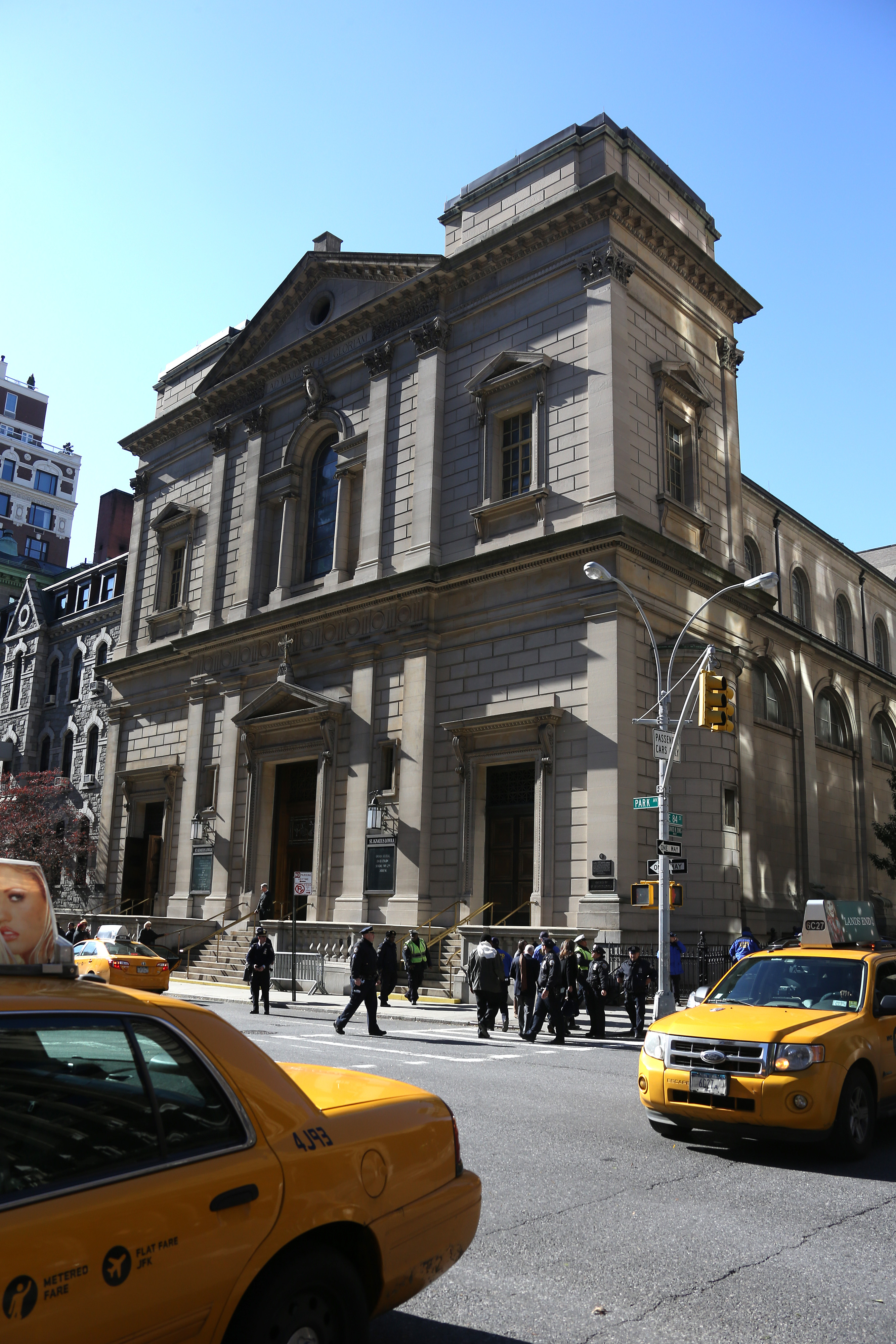
By midmorning, family members and close friends filed into The Church of St. Ignatius of Loyola to gather for a farewell that reflected both private sorrow and public history.
A Farewell Steeped in Family History and Tradition
Funeral processions began for Tatiana Schlossberg, the daughter of Caroline Kennedy and Edwin Schlossberg, who died at age 35 after battling leukemia.
The service, held on Monday, January 5, 2026, followed Tatiana’s death less than a week earlier, on December 30, 2025.
The Kennedy family gathered at the same church where Tatiana’s grandmother, Jacqueline Kennedy Onassis, was memorialized decades earlier, underscoring the deep family ties bound to the Upper East Side parish.
A Family United in Grief
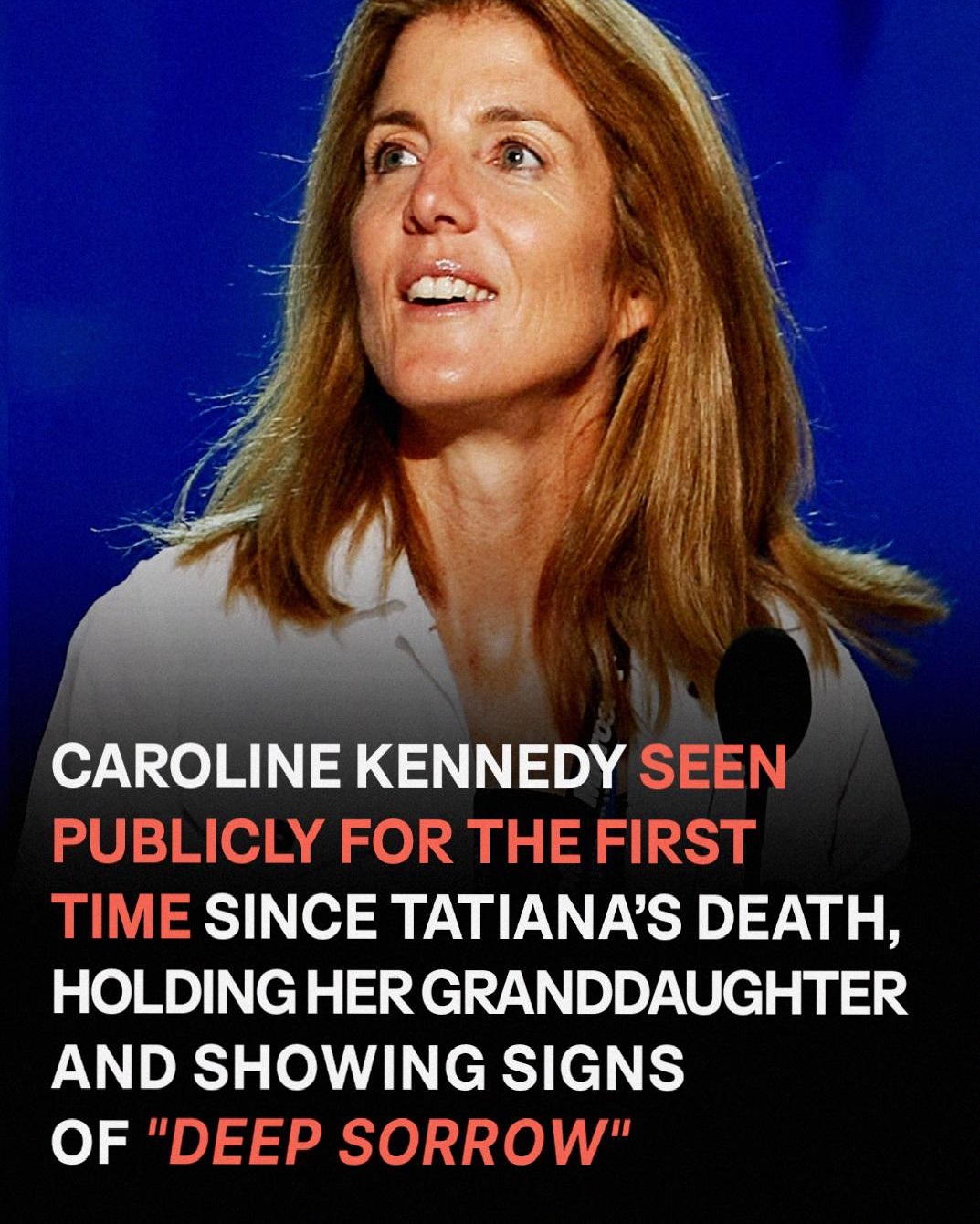
Photographs from the scene captured Caroline Kennedy arriving while holding her young granddaughter close, a moment described as emblematic of the layered grief the family faces.
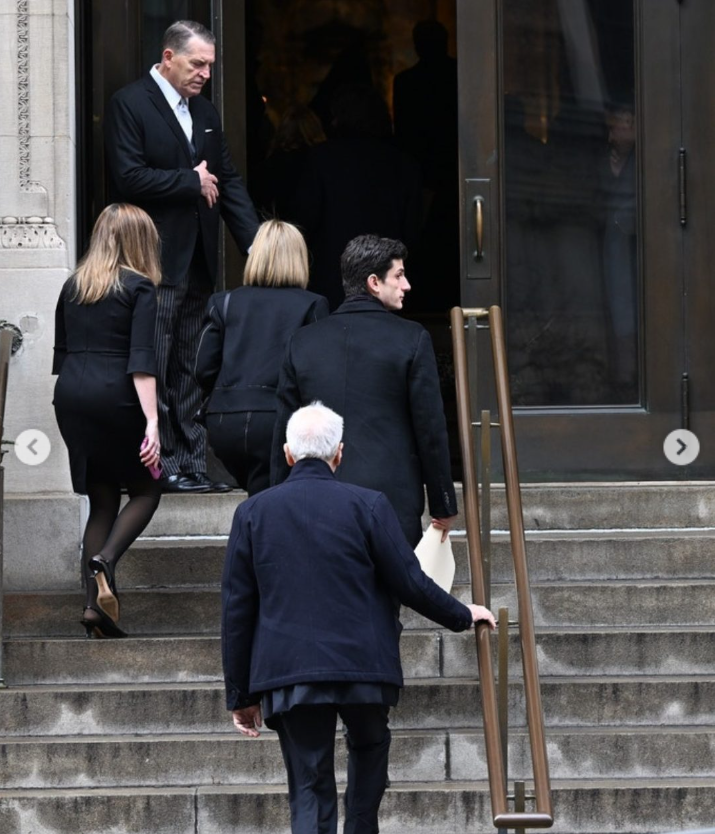
Tatiana’s husband, George Moran, was seen carrying their son, while her brother, Jack Schlossberg, appeared visibly distraught as he walked beside their father, Edwin, and sister, Rose Schlossberg.
Tatiana, an environmental journalist, had publicly revealed her leukemia diagnosis just six weeks before her death. She and George married in 2017 and shared two children: a three-year-old son, Edwin Moran, and a one-year-old daughter, Josephine Moran.
A Farewell Marked by Power, Presence, and a Notable Absence
Several prominent figures attended the service. Former President Joe Biden was present and appeared visibly emotional.
Others in attendance included John Kerry, David Letterman, Carolina Herrera, and David Remnick, reflecting the broad personal and professional circles touched by Tatiana’s life and loss.
Historian Steven M. Gillon noted that the family’s decision to hold a public funeral aligned with longstanding tradition. He explained that the Kennedys understand their place in public life and seek to balance personal grief with public responsibility.
Gillon described the service as “very remarkable, very moving, very powerful.”
Notably absent was Robert F. Kennedy Jr., who was reportedly in Washington, D.C., announcing changes to federal vaccine policy at the time of the funeral.
Public Reaction
As images from the service circulated online, many viewers expressed deep emotion. Comments focused on Caroline Kennedy’s visible grief and urged the public to respect the family’s privacy during their loss.
By the time the church doors closed, the farewell had already become part of a larger public moment shaped by history, visibility, and the enduring weight carried by a family whose private grief often unfolds in public view.
The ceremony honored Tatiana’s life within the walls of a church long woven into the Kennedy family’s shared past.
Her Death and the Public Response
Tatiana’s death was confirmed on December 30, 2025, by the JFK Library Foundation, which shared a tribute stating she would remain in their hearts forever.
That same day, political debate resurfaced when President Donald Trump shared posts on social media related to the renaming of the Kennedy Center for the Performing Arts, a move that sparked public discussion and controversy.
Something Was Wrong
About a month before her death, Tatiana revealed the private battle she had kept from the public in an emotional essay for The New Yorker titled “A Battle with My Blood.”
Her second child was born on May 25, 2024. Shortly afterward, routine blood work revealed her white blood cell count had surged to 131,000 — far beyond normal levels.
Initially, doctors considered a rare pregnancy-related cause. But further testing confirmed a devastating diagnosis: acute myeloid leukemia, an aggressive cancer typically seen in older patients.
Fighting to Stay
For a year and a half, Tatiana fought relentlessly. Her husband and family stood by her side, caring for her children and supporting her through countless hospital visits.
Her cancer carried a rare mutation known as Inversion 3, requiring chemotherapy, a bone marrow transplant, and continued treatment even during remission.
She endured postpartum complications, multiple relapses, and repeated transplants. Though remission came more than once, the cancer ultimately returned.
Holding On
By January 2025, Tatiana entered a clinical trial. Despite severe physical decline, she continued to fight.
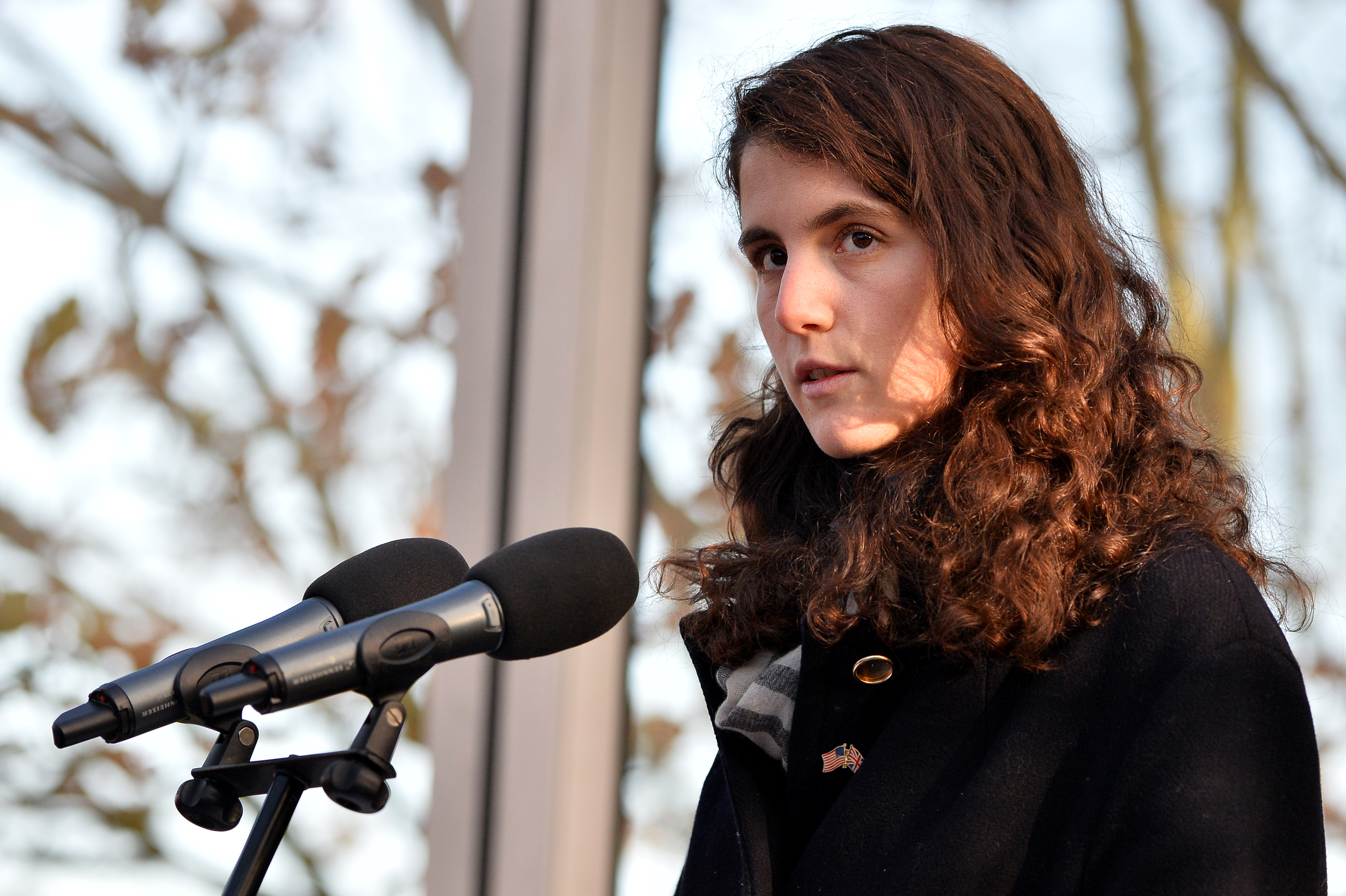
Eventually, her doctors told her that continued treatment might extend her life by only another year under brutal conditions. Faced with that reality, Tatiana chose to focus on being present for her children.
She wanted her son to remember her not only as someone who was sick, but as a writer and environmental advocate. She had hoped to write a book about the oceans — including how marine life contributed to the creation of cytarabine, the chemotherapy drug that helped keep her alive.
Her daughter, still so young, was discovering music, play, and joy. These were the memories Tatiana hoped would endure.
Now, Tatiana Schlossberg is remembered not only for the history she was born into, but for the courage, love, and quiet purpose she carried until the end.
