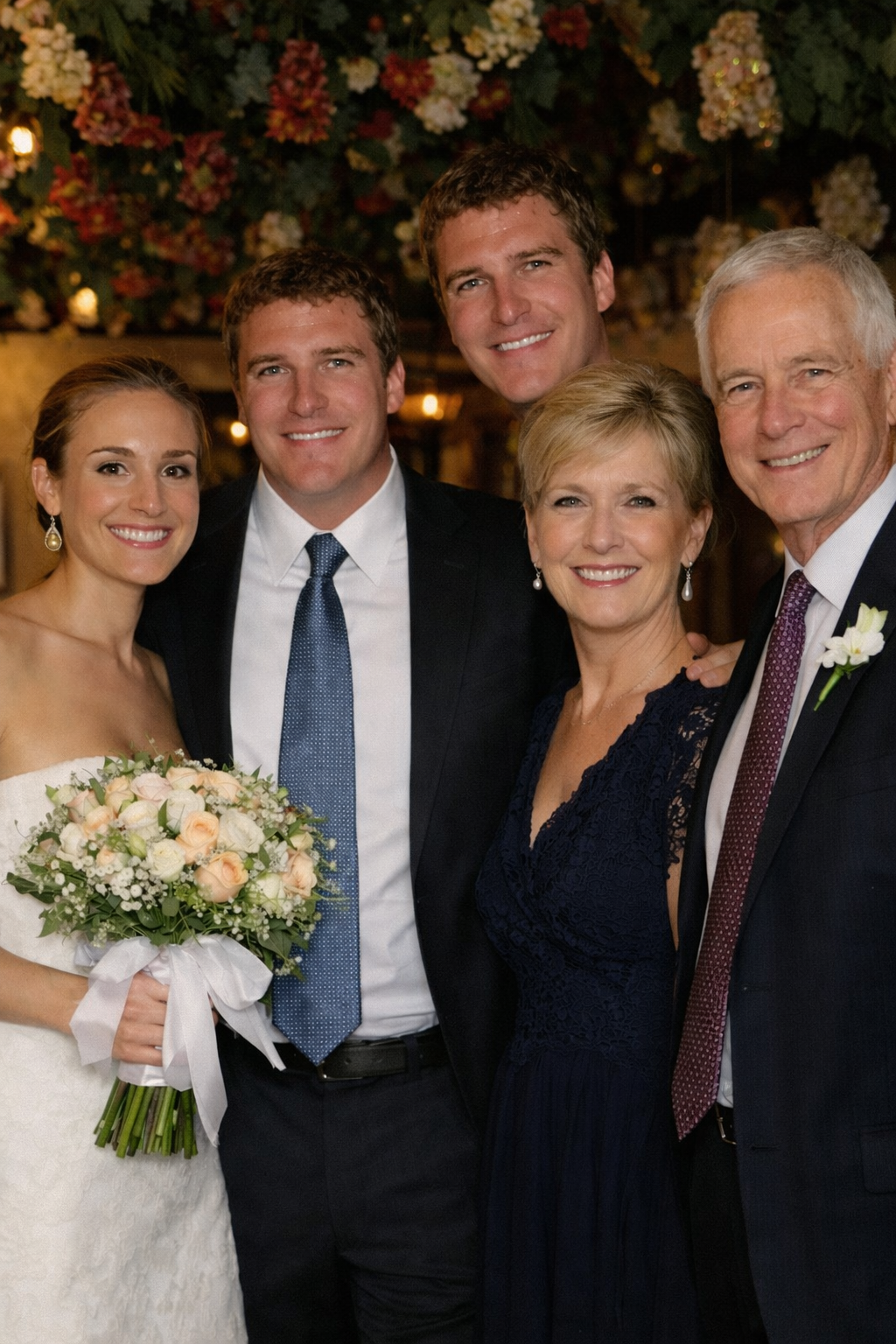
I thought I married a man shaped by grief, someone careful, gentle, and healing. But after I posted our photos for the first time, a stranger messaged me with a warning I couldn’t ignore. Now, I’m starting to realize… some love stories aren’t tragic. They’re manufactured. And I never knew the truth.
If I hadn’t posted my wedding photos, maybe none of this would’ve happened.
Ben and I had been married for 17 days.
We were still in that little bubble where everything still feels too good. Your toothbrush next to his, leftover cake in the fridge, and people still calling to say how perfect the day was.
I’d never been someone who needed a big moment, but that day felt sacred. Not just because we were finally married, but because of who Ben had been to me: careful, grounded, and observant in a way that made me feel chosen.
“I see you, Ella,” he’d said. “And because of that… I know we’d be powerful together.”
My best friend, Kayla, warned me that Ben was too careful, like he was rehearsing emotions instead of feeling them.
Ben never spoke about Rachel, his first wife, in more than half-sentences.
“She loved red wine.”
“She couldn’t stand the cold.”
Once, when I’d asked how they met, he just said, “At the wrong time,” and kissed the back of my hand like that made it noble.
I didn’t push. The woman was dead, so I thought leaving the past alone was a sign of respect.
The only photo of Rachel I’d ever seen was a faded snapshot in a drawer. She was smiling and looking away from the camera, her hair pulled back.
“You were beautiful, Rachel,” I said, putting the snapshot back.
Ben was seven years older than me. He liked the quiet. He took his coffee black and listened to old soul records on Sunday mornings. He used to call me his “second chance.”
I thought it was romantic.
The morning I posted our wedding photos was unremarkable. I’d been folding towels, the sun warming the kitchen tiles under my feet. I just wanted to share it. I hadn’t posted Ben before — not once.
I tagged him and wrote:
“Happiest day of my life. Here’s to forever, my love.”
Ten minutes later, I checked my phone.
There was a message request from someone named Alison C.
“Run from him!”
There was no profile picture. No posts. No mutual friends.
Another message followed:
“Don’t say anything to Ben about this. Act normal. You have no idea what he did. You need to know the truth!!”
A third came seconds later:
“He tells the story like it happened to him. But… it happened because of him.”
The room felt colder.
I pulled a suitcase from under the bed and started packing. I didn’t even know where I was going. I just knew I couldn’t stay.
“Get it together, Ella,” I said aloud.
Then another message appeared:
“Please, meet me. I’m Rachel’s sister.”
I sat on the edge of the bed and typed, “Why should I believe you?”
Her reply came instantly:
“Because you just posted the first photo of Ben I’ve seen in years. Look up his name + accident + license suspension.”
I did.
A small local news article appeared, dated seven years earlier.
“Driver in critical condition after single-vehicle crash kills passenger.”
In the comments:
“People said he’d been drinking.”
“She begged him not to get in the car.”
“Shame on him.”
I met Alison at a diner. She slid a folder across the table.
“It’s all public record,” she said.
Inside were the accident report, license suspension, and Rachel’s obituary. The crash summary listed only “female passenger.”
“She was his wife,” Alison said. “And my sister.”
“He told me she was driving,” I whispered.
“Of course he did,” she said. “Ben erases the parts of the story that make him look bad.”
That weekend, we had lunch at Ben’s mother’s house.
His aunt asked me quietly, “Has Ben told you about Rachel?”
“She wasn’t driving,” she said. “Your license was pulled right after, wasn’t it?”
Silence.
“I’m done covering for you, Benjamin,” his aunt said.
Later, alone in the bathroom, I stared at myself in the mirror.
My husband had been the driver — and he let the world believe otherwise.
On Monday, I went to his office.
“Were you driving when Rachel died?” I asked.
“Ella, we’ve talked about this,” he said.
“No. You avoided it.”
“You need to let this go,” he said. “You don’t understand how complicated it was.”
“I understand you let people believe she caused her own death.”
“You made her the villain in her own ending,” I said.
I packed properly this time. No panic. Just clarity.
I left the ring behind. Turned our wedding photo face down.
Alison welcomed me into her home that night. It smelled like cinnamon and chamomile.
“I feel like I failed,” I whispered.
“You didn’t,” she said. “You saw the truth and acted.”
“He makes doubt feel like guilt,” she continued. “My sister lost her life to him.”
“What do I do now?” I asked.
“You start again,” she said. “With the lights on.”

Later, messages poured in from people who’d known him.
“That story never made sense.”
“I always wondered what happened to Rachel.”
“Rest in peace.”
Ben texted:
“We can fix this. I love you.”
I replied:
“Go public. Set the record straight. Then we’ll see.”
He never responded.
The next morning, Alison sent one final message:
“You didn’t marry a widower. You married a man who survived his own choices and let someone else carry the cost.”
I filed for annulment before the 90-day mark.
People ask why I left so soon.
I tell them the truth.
I didn’t lose my husband.
I lost a lie.
