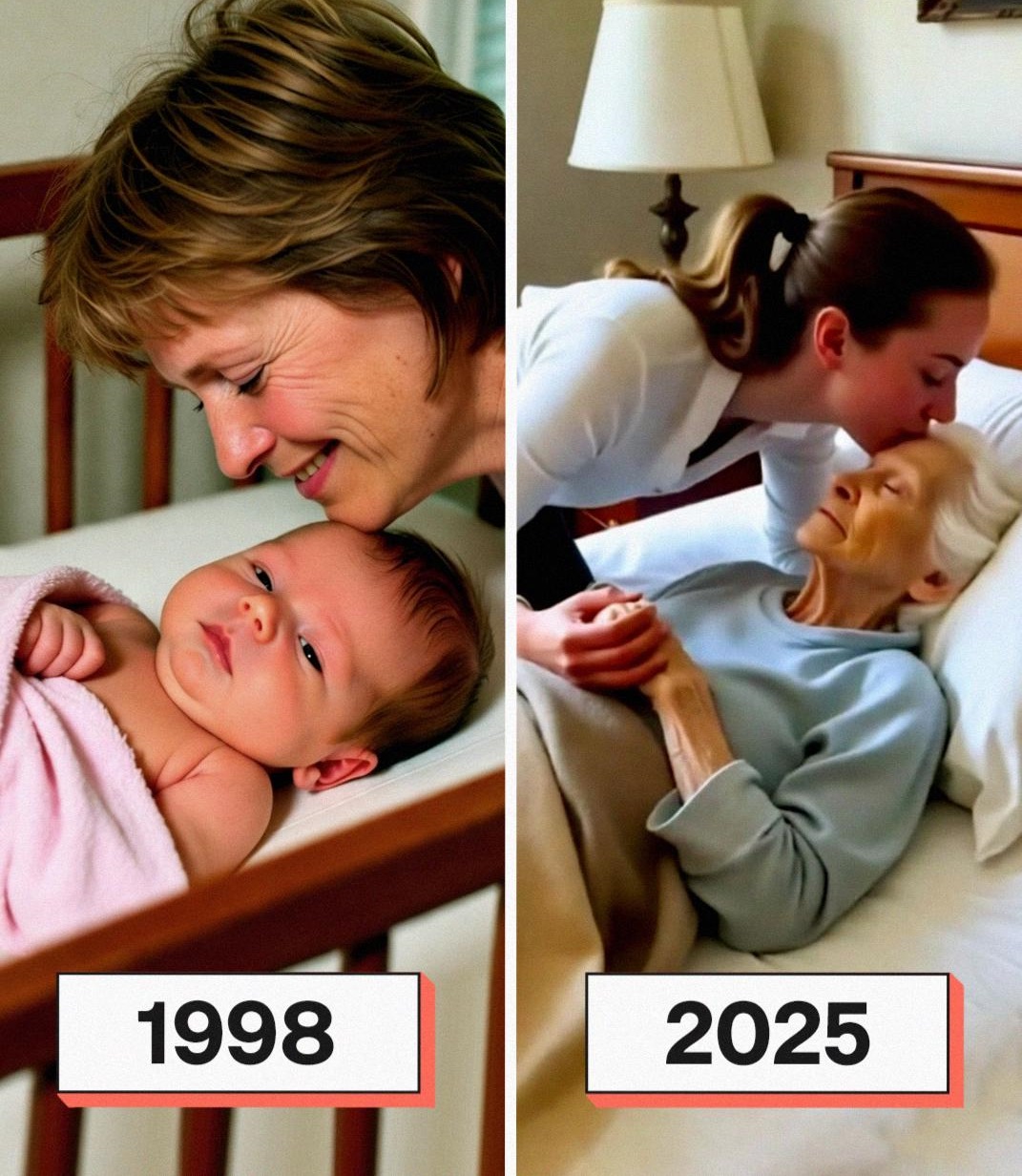
When I nursed my dying grandmother through her final days, I never expected to inherit more than memories. But tucked inside an old couch was a secret that changed everything, revealing the truth about love, legacy, and what it really means to be chosen.
If anyone had told me that an old couch would become the most valuable thing I owned—not for what it was but for what it meant—I might have laughed.
But everything changed the day my grandmother, Mabel, took her final breath.

She wasn’t just a grandmother. She was my safe place, my compass, and the one person in my life who saw me clearly and never once looked away. My mother, Clara, spent most of my childhood chasing her next thrill—her career, her relationships, and even her reflection in the mirror.
Mabel, meanwhile, was the one who showed up. She was at every school play, fixed every scraped knee, and soothed every heartbreak with a pot of her spicy chicken soup followed by cinnamon donuts.
My grandmother didn’t just fill the gaps my mother left behind; she stitched them closed with love.
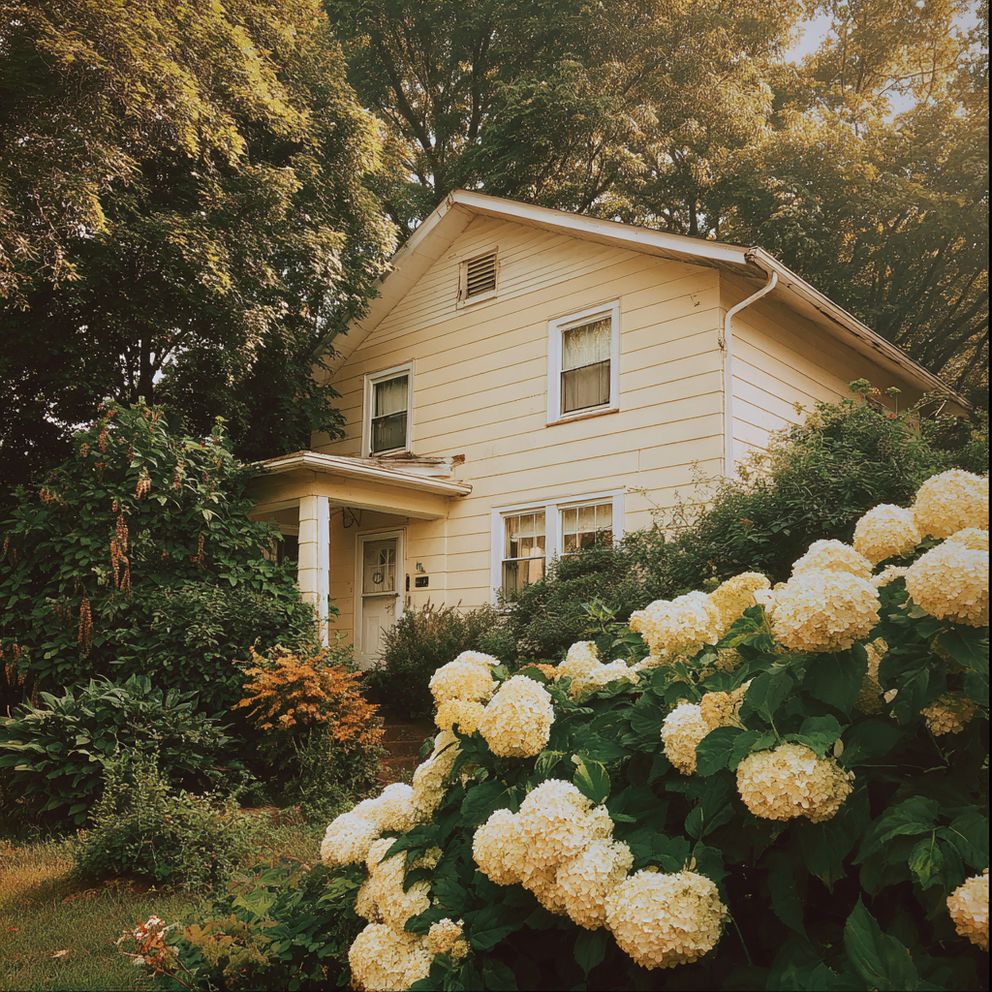
So when Mabel’s diagnosis came—terminal cancer, cruel and certain—I didn’t hesitate. I took unpaid leave, packed up my two kids, and moved into her little yellow house with the creaky floorboards and overgrown hydrangeas.
It wasn’t a sacrifice. It was me returning the promise of taking care of her.
Clara, of course, had already booked herself on a three-month cruise through Europe.

“The smell of hospitals makes me sick,” she said. “Besides, you’ve always been the sentimental one, Lila. You can handle this.”
I never expected her to show up. And she didn’t—until after Grandma Mabel was gone.
By then, all my mother wanted to know was what was left behind.
The house. The jewelry. The silver. The money.
But not the couch.
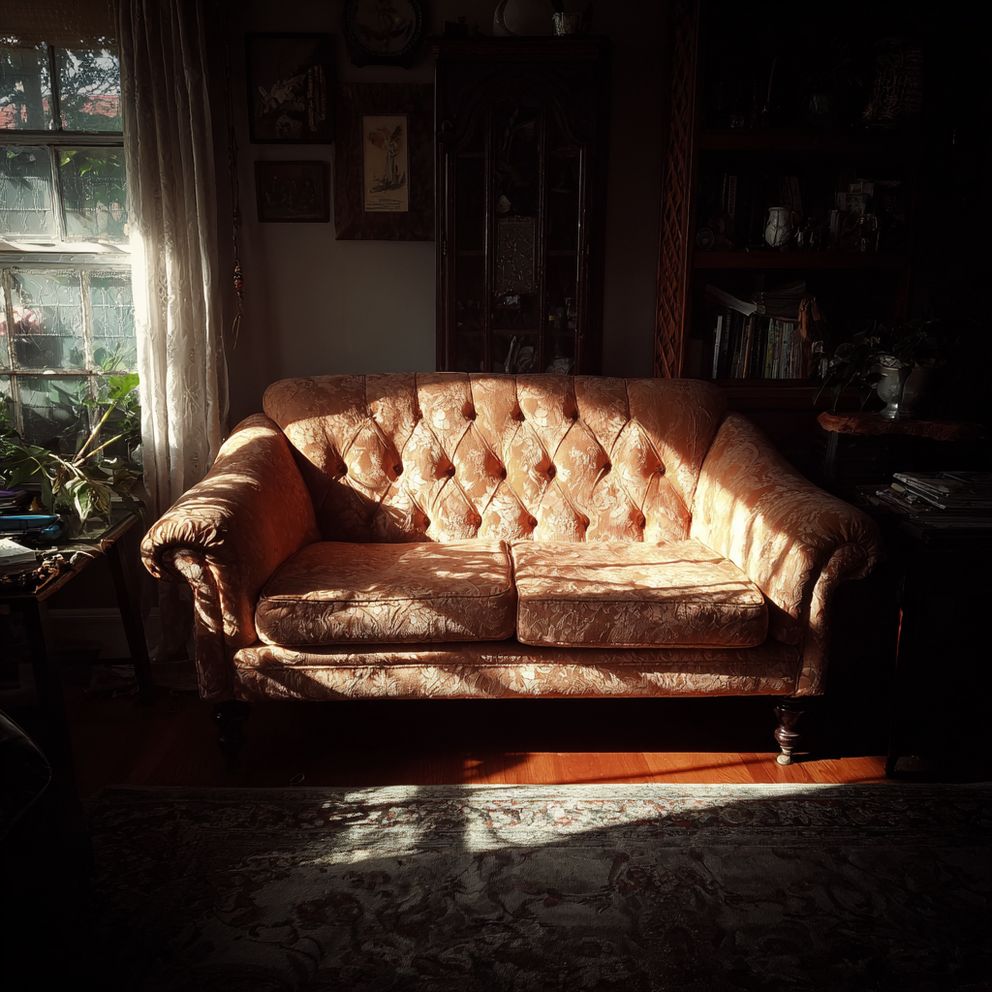
Not the old, faded, peach-colored couch with floral trim and sagging cushions. Not the place where Mabel hid her real secret.
Mabel never complained. Not when the pain made her wince. Not when her hands shook too badly to hold a cup of tea. Not even when my mother forgot to call for weeks at a time.
So I stayed.
I bathed her, brushed her hair, read to her when the pain dulled her vision, and slept on the floor beside her bed in case she needed me at night.
I wasn’t going to leave anything to chance.
She told me things she’d never shared before. She apologized for things that weren’t her fault. She said she wished she had protected me more from Clara’s bitterness.
I told her she already had.
One night, she held my hand and whispered, “I love you, Lila. Remember that for the rest of your life.”
“I love you too, Granny,” I said. “You’ve always been the best part of my life.”
Her breathing slowed.
And then it stopped.
I held her hand in the silence until the tears finally came.
Three days later, Clara arrived, tanned and refreshed, already asking about selling the house.
“She died, Mom,” I said. “That’s the situation.”
“Don’t be dramatic,” she replied. “Grief is personal.”
We met with the lawyer the following week.
The will was simple.
The house went to my mother.
Then the lawyer looked at me.
“Mabel left one item specifically to Lila,” he said. “The peach brocade couch from the parlor.”
My mother laughed. “That old thing? Get it out by the end of the week. I’m listing the house Monday.”
I didn’t argue.
It wasn’t about the couch. It was that Mabel had thought of me.
Marcus helped me move it. He’d always shown up for me, no questions asked.
At home, the couch barely fit, but I didn’t care. It held every bedtime story, every hug, every ounce of love my grandmother ever gave me.
A few nights later, after the kids were asleep, I decided to clean it.
As I lifted the cushions, I noticed something strange.
A zipper.
Hidden beneath the trim of the middle cushion.
My heart started pounding.
Inside was a black velvet bag.

It was heavy.
Inside the bag were small jewelry boxes and a letter with my name written in my grandmother’s delicate handwriting.
“My dearest Lila,
If you’re reading this, then you’ve found what I meant for you. I wanted to give you my grandmother’s jewels, but I knew your mother would find a way to take them. So I hid them in the only place she’d never bother to look.
You were always the one who stayed. The one who cared.
These are yours—not for the money, but because you loved me without condition. One day, pass them on to Elsie. There’s a ring for Noah’s wife too.
I love you.
– Granny M.”
I cried until my chest hurt.
Pearls. Emeralds. Diamonds.
They weren’t just heirlooms. They were proof.
Meanwhile, my mother tore through the house looking for valuables. She never once asked about the couch.
I had everything that mattered.

One night, I sat on the couch with my children asleep beside me, breathing in the faint scent of lavender still clinging to the fabric.
Marcus joked about whether I’d ever tell my mother.
“No,” I said. “It wouldn’t change anything.”
A week later, I told my best friend Emma everything.
“She hid a fortune in a couch?” she asked, stunned.
“She knew my mother wouldn’t look at anything sentimental,” I said.
That night, alone on the couch, I read the letter again.
“Thank you, Granny,” I whispered.

For the first time since the funeral, I dressed up. I wore the emerald earrings and saw myself in the mirror—not just as a grieving granddaughter, but as a woman who had been loved deeply and chosen intentionally.
As I turned out the lights, I looked at the couch one last time.
Her presence lingered.
And I knew she was still with me.
She always would be.
