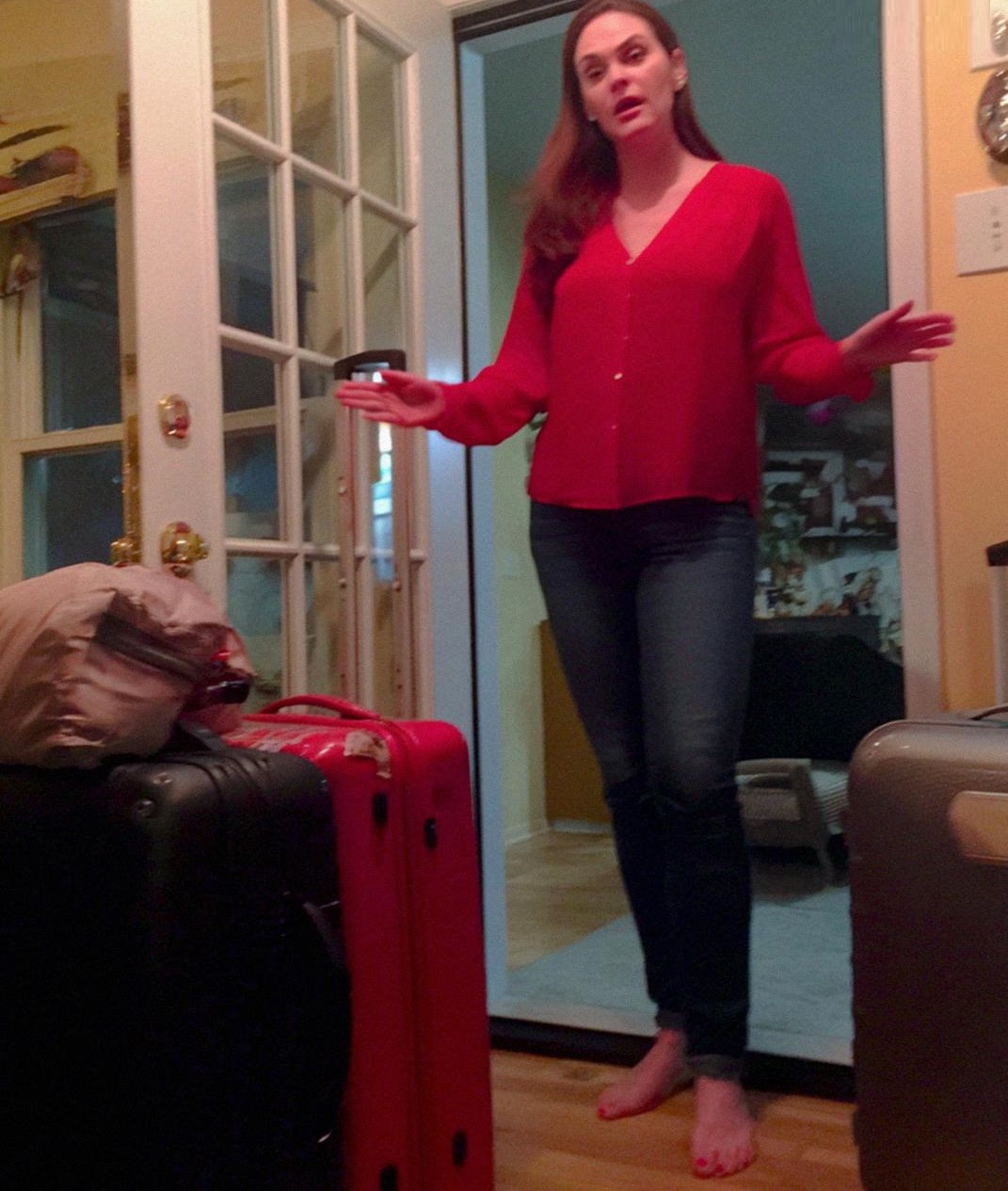
I thought I’d spend my golden years surrounded by family, not sleeping on a cot in a homeless shelter. But grief has a way of exposing truths—and secrets—I never saw coming.
My name is Helen, and I’m 72 years old. If you’d told me ten years ago that I’d one day be sleeping on a narrow cot in a shelter for seniors, I would’ve laughed and poured you a cup of coffee from my own cozy kitchen. But life has a way of quietly taking everything you love and waiting to see if you’ll stand back up.
My life used to be full. I had a son, Mark, who was the light of my life. And I had George, my husband, who built our family home with his own two hands. That house—every creaky step, every dent in the banister—was filled with memories. We raised Mark there, hosted birthdays, mourned losses, and celebrated small victories over tea and cornbread on Sunday afternoons.
Then George passed away from cancer. I held his hand through every treatment and every long night when he couldn’t sleep.
After he left, the silence in the house was louder than anything I’d ever known. I tried to stay, but the winters grew colder and the loneliness deeper. Every corner reminded me of my husband—his chair by the window, his favorite mug, the way he used to hum while reading the paper. My knees weren’t what they used to be, and the stairs felt steeper every year.
Mark had moved to the city with his wife, Laura, and their two kids. When he called and asked me to come live with them, I hesitated. Laura and I had always been polite but distant. Still, my health wasn’t great, and I didn’t want to be alone anymore, so I agreed.
Selling my house was the hardest thing I’ve ever done. I cried the day I handed over the keys. Almost all the money went into renovating Mark and Laura’s home—fixing the guest room, the kitchen, the roof, and the yard. Mark smiled and said we were making a home for all of us. I believed him.
For the first couple of years, things were manageable. I helped with the kids, cooked meals, and kept the house running. Laura rarely thanked me, but I didn’t expect her to. I noticed how she looked at me sometimes, like an old piece of furniture that came with the house.
Mark worked long hours but always made time to sit with me after the kids went to bed. He’d tell me he didn’t know what he’d do without me. The kids adored me. Those moments made everything worth it.
Over time, Laura grew colder. First it was small criticisms, then constant corrections. One evening, she came home early and found us dancing in the kitchen. She stood in the doorway and said flatly that I was spoiling the kids.
After that, she interrupted bedtime stories and made comments about the kids relying on me too much. Mark stayed quiet, caught in the middle, and I never pushed him to choose.
Then came the phone call.
Mark had been killed in a car accident. They said it was quick. I didn’t believe them—not because I thought they lied, but because I couldn’t accept it.
The days after were a blur. Laura screamed and cried, then went numb. The kids kept asking when their dad was coming home. I held them together while barely holding myself together.
After the funeral, Laura changed. Her grief turned cold and distant. A few days later, I overheard her say on the phone that she couldn’t live with me there anymore.
A week later, she sat me down and told me it was time for me to leave.

I reminded her that I’d sold my house and put everything into theirs. She said that had been my choice. The next morning, my bags were packed, and a cab was waiting. She didn’t even tell the kids I was leaving.
I told them I was visiting a friend.
I had nowhere to go.
I asked the cab driver to take me to the nearest senior shelter.
The shelter was clean but bare. I was given a cot, a locker, and a bowl of soup. I kept a photo of Mark and the kids under my pillow and lay awake at night listening to the sounds around me.
I volunteered for chores just to feel useful. I helped other women where I could, even though inside I felt hollow.
Then one rainy afternoon, a man came looking for me.
His name was David Collins. He’d worked with my son years ago. He told me Mark had left something for me—a trust, set aside quietly, meant to make sure I was always taken care of.
Laura hadn’t known.
The amount left me speechless. It was enough to live comfortably, to never depend on anyone again. Mark had protected me, even after he was gone.
David helped me find a small cottage. It had a porch, a garden, and peace. I baked again. I planted flowers. I adopted a cat. For the first time in years, I felt safe.
David visited often, and we grew close in a gentle, comforting way.
Nearly three years later, Laura showed up at my door. She looked worn and lost. She apologized. She said she hadn’t known about the money until much later and admitted she’d pushed me out in her grief and anger.
I listened. I didn’t feel satisfaction—only calm.
When she left, I watched her walk down the path in the rain.
In the end, my son gave me something she never could.
A way to stand on my own.
And I would spend the rest of my days in the little home he gave me—not with bricks alone, but with love.
