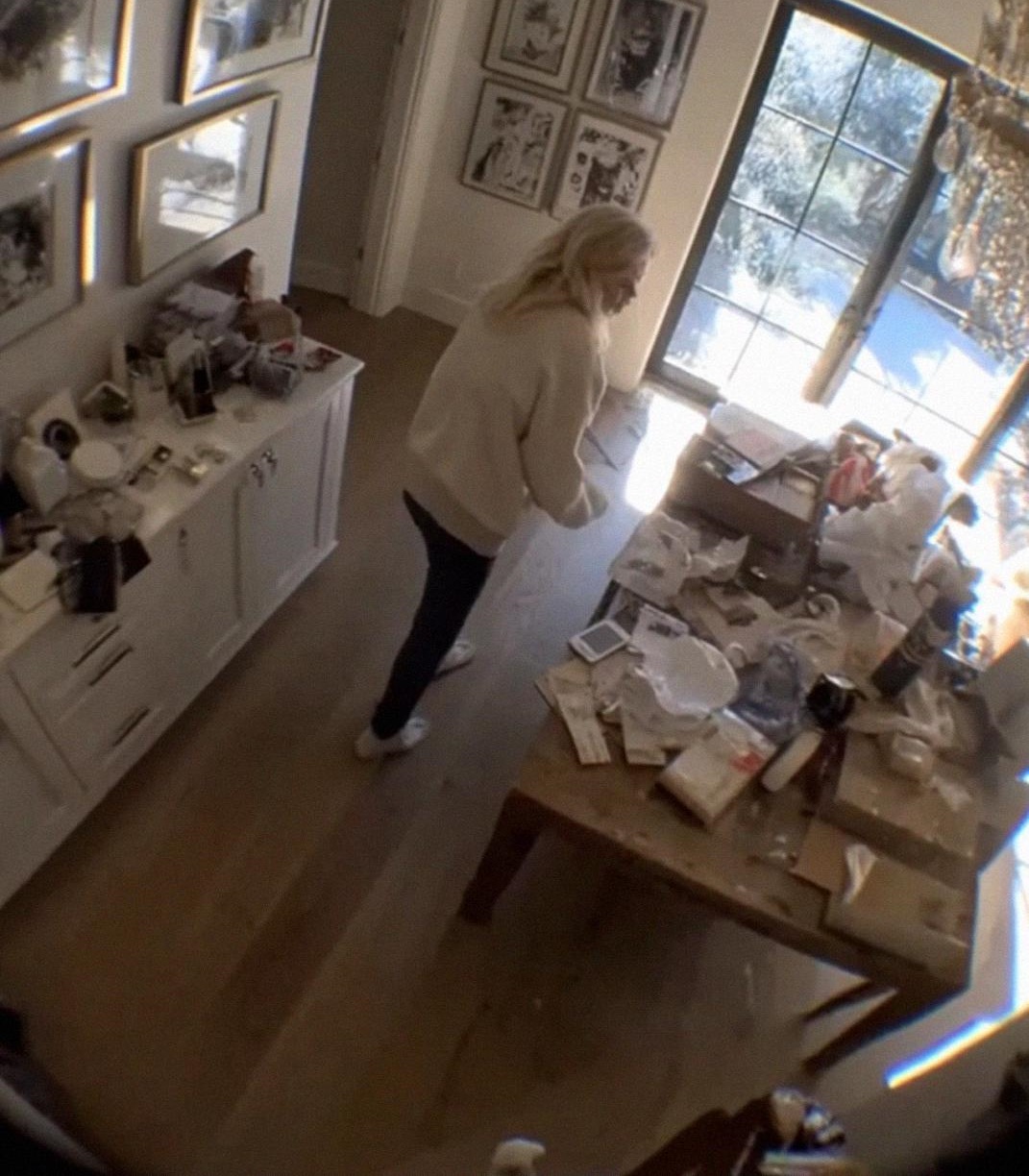
I welcomed my mother-in-law into our home after she lost her job, thinking it would be temporary. Within a week, she was running my household like it belonged to her.
They say motherhood is a full-time job. But they never tell you it’s unpaid, under-appreciated, and sometimes invaded.
My name is Rachel, and I’m 33 years old. I used to teach second grade, but I left the classroom to stay home with our two kids: Lena, who’s six and far too observant for her own good, and Micah, who’s three and practically attached to my hip. I loved teaching, but after Micah was born, we decided it made more sense for me to be home. I don’t regret that choice. At least not most days.

My husband, Daniel, is 35. He works in IT, loves spreadsheets, and avoids confrontation like it’s a contagious disease. We’ve been married for almost 10 years, and I’d always thought we made a good team.
But that thought started to unravel the day I got that phone call.
It was a Thursday afternoon. Micah was napping, Lena was at school, and I was folding laundry in the living room when Daniel called.
“Hey, babe,” he said, his voice softer than usual. “Uh, can I talk to you about something important for a second?”
“Sure,” I replied. “Is everything okay?”
He hesitated.
“No, work is good. Actually, it’s about Mom. She lost her job this morning. They downsized the whole department.”
“Oh, no. That’s awful,” I said. “Is she okay?”
“She’s upset. She doesn’t want to be alone right now. She was wondering if she could stay with us for a while. Just until she figures things out.”

I stared at the half-folded towel in my hands. Margaret and I were cordial, but she always seemed slightly on edge with me.
Still, how could I say no?
“Of course,” I said. “Tell her she’s welcome.”
Margaret arrived the next evening, carrying two oversized suitcases.
“Thank you for letting me stay with you. It’s just temporary,” she said, glancing around the house. “I don’t plan to intrude.”
“We’re glad to have you,” I replied.
She didn’t smile back.
The first few days were fine. She kept to herself, watched television, and took over dinner cleanup without being asked. It felt helpful.
Then things started shifting.
One morning I walked into the kitchen and found everything rearranged. My labeled spice jars were gone, the fridge had been reorganized, and my prepared snacks had vanished.
“Grandma said yogurt pouches are full of chemicals,” Lena whispered later.
That evening, I mentioned it.

“I noticed some things got moved around,” I said.
“Oh yes,” Margaret replied. “It was a mess. I helped. It’s more efficient now.”
“I had a system,” I said.
“Systems can always be improved,” she answered.
When I told Daniel, he shrugged. “She’s trying to help.”
By the end of the week, Margaret wasn’t a guest anymore. She was reshaping our lives.
One morning, Lena was dressed and awake at 6:30 a.m.
“Grandma said I shouldn’t sleep in,” she told me.
Micah followed behind her. “Grandma said no toys in the living room.”
Margaret looked up from the table. “They need structure. Your routines are a bit relaxed.”
I tried to stay calm. “We don’t mind slow mornings.”

“That’s fine for weekends,” she replied. “Children need discipline.”
Later, Lena whispered, “Grandma said cartoons make kids lazy.”
It wasn’t just the kids.
I found my laundry folded, my clothes handled without asking.
“These knits stretch if folded wrong,” she said. “And some of your tops are a bit tight.”
I bit my tongue.
She cooked every night, prayed with the kids, insisted on strict table rules, and corrected Lena constantly.
“You don’t interrupt adults,” she told her one evening.
Lena’s face fell.

When I finally confronted Daniel, my voice shook.
“She’s controlling everything. I feel like a guest in my own house.”
“She’s going through a lot,” he said.
“She’s replacing me,” I replied. “And you’re letting her.”
He didn’t answer.
Everything snapped the following Tuesday.
I came home and found Margaret on my laptop, speaking in a PTA meeting under my name.
“I’ve volunteered to coordinate the bake sale,” she said cheerfully.
After the call ended, I asked, “Were you using my Zoom account?”
“Yes,” she said. “You missed meetings, so I filled in.”
I walked to the bedroom, shut the door, and grabbed a notebook.
I wrote everything down. Every boundary crossed. Every moment I felt erased.
That night, I sent Daniel a long, calm message explaining how I felt. I ended it with:

“I can’t live like a guest in the house I built. Either we restore balance, or I leave until we can.”
The next evening, I asked for a family meeting.
“When you came here, it was for support,” I said. “But somewhere along the way, this stopped feeling like my home.”
I listed everything she’d done.
“That isn’t support,” I said. “It’s control.”
“I was only trying to help,” Margaret said.
“This house already had rules,” I replied. “And they were mine.”
“I raised three children,” she said.
“And I’m raising two,” I answered. “I don’t need a second mother.”
She called me overly sensitive.
I looked at Daniel.

“She’s right, Mom,” he finally said. “You crossed a line.”
The next morning, Margaret packed.
Before she left, she told Lena she’d visit soon. Lena simply said, “Okay.”
When the door closed, the weight lifted.
“I missed you,” Lena whispered.
“I missed me too,” I said.
The following days were about reclaiming space. I aired out the guest room, donated excess items, restored my kitchen.
“Can I have my yogurt now?” Micah asked.
“You bet,” I said.
That night, music played while we cooked. Later, Daniel apologized.

“I should’ve listened sooner,” he said.
“Would you try counseling?” he asked.
“Yes,” I said.
We worked on communication and boundaries. It wasn’t perfect, but it was better.
Weeks later, we sat in the garden. The house felt lived-in and peaceful again.
“I almost gave away my space,” I said.
“But I took it back.”
I opened my door to be kind, but I almost lost myself. Now I know protecting my space is the kindest thing I can do for myself and my family.
