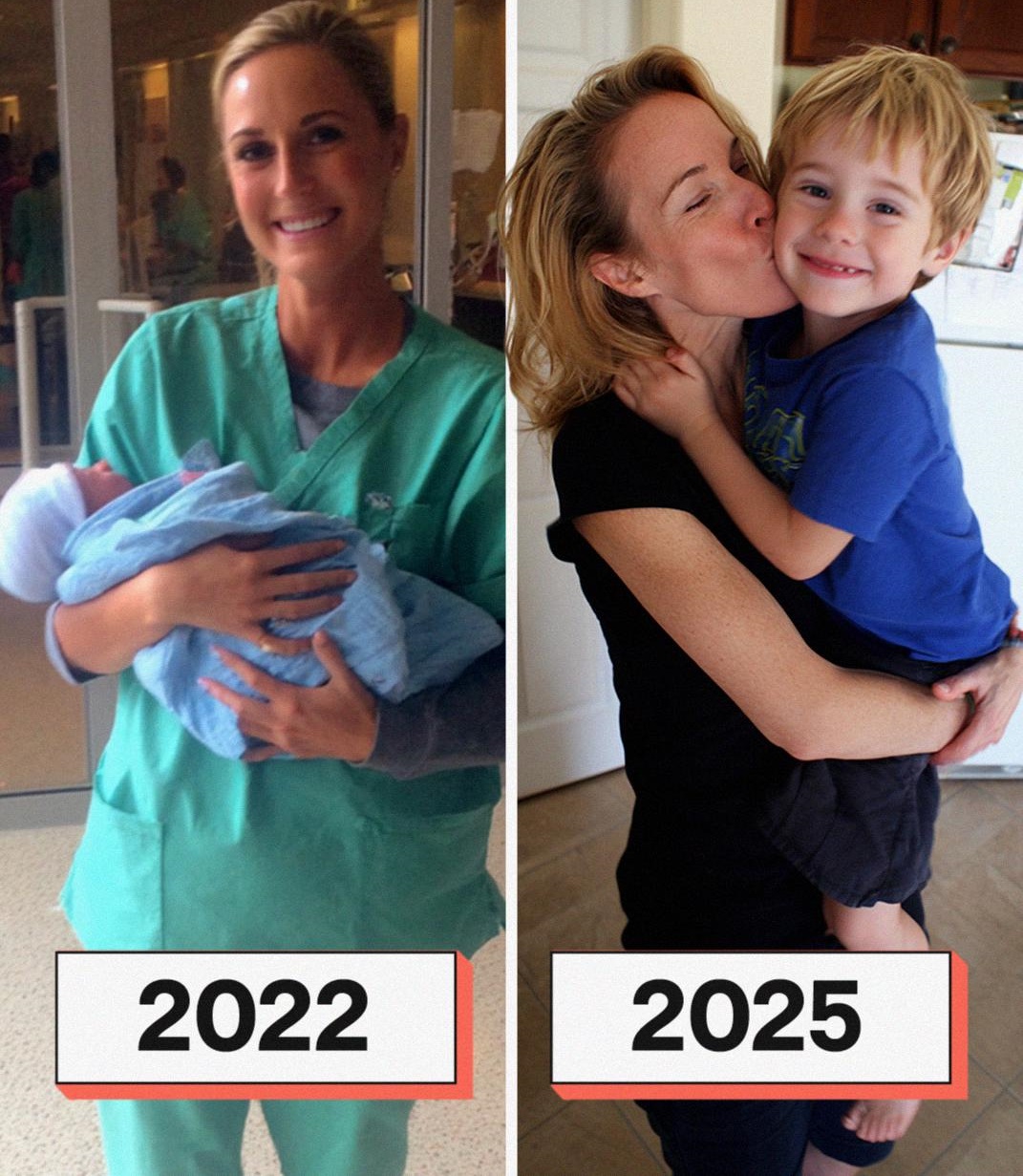
I found an abandoned baby boy at the hospital entrance on a cold morning. Three years after I adopted him, a woman appeared at my door, saying words that shattered my world: “Give me back my child.” What happened next tested everything I believed about love, motherhood, and letting go.
My hands were numb from the cold that February morning, and I’d barely made it through the parking lot when I saw something that stopped me mid-step.
A bundle. Small. Wrapped in what looked like a threadbare blanket.

At first, I thought someone had dropped their groceries. But then the bundle moved, and my nurse’s instincts kicked in before my brain could catch up.
I ran.
When I knelt beside it and pulled back the thin fabric, my heart nearly stopped. A baby boy stared up at me with unfocused eyes, his lips tinged blue, his tiny chest rising and falling in shallow, desperate gasps. He couldn’t have been more than three weeks old.
“Oh God, oh God,” I whispered, scooping him up against my chest. “Help! Somebody help me!”
The ER doors burst open within seconds. My coworkers surrounded me in a blur of scrubs and urgent voices. Someone took him from my arms, and I felt an immediate, visceral loss as they rushed him inside.
“Emily, are you okay?” Dr. Sanders asked, steadying me by the elbow.
I wasn’t okay. I was shaking so hard my teeth chattered. “Someone left him there. Just left him.”
They placed him under a warmer in the neonatal unit. His skin was mottled from the cold, his cry weak and hoarse, but he was fighting. God, he was fighting so hard.
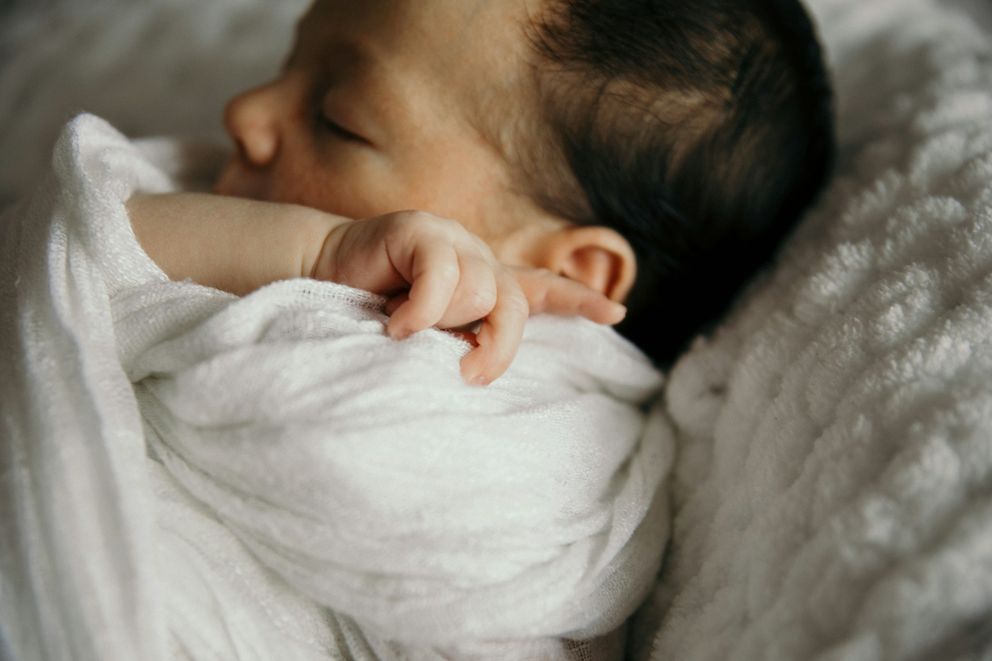
I stood by the warming bed, watching his tiny fists clench and unclench. A nurse adjusted his blanket, and I reached out without thinking, letting my finger brush against his palm. His fingers wrapped around mine instantly, holding on like I was the only solid thing in his world.
“Don’t let go,” I whispered to him. “I won’t let go.”
Dr. Sanders came over, her expression grim. “We’ve called the police. They’ll need to talk to you about where you found him.”
I nodded, unable to take my eyes off him. “Will he be okay?”
“He’s a fighter,” she said softly. “But he needs more than medicine right now. He needs someone to love him.”
The police came and went. They took my statement, filed their reports, and promised to search for whoever had left him. Social services opened a case. Local news stations ran the story. But nobody came forward. Nobody claimed the baby.
For five days, I checked on him every chance I got. Between patients, during breaks, even after my shift ended. I’d slip into the NICU, pull up a chair beside his warming bed, and sing soft lullabies I half-remembered from my own childhood. I’d tuck his blanket around his feet, adjust the tiny hat on his head, and tell him stories about all the good things waiting for him in the world.
I wasn’t his mother. Not legally. Not yet.
But my heart had already made that decision.
On the fifth day, I asked Tom to come to the hospital. My husband had been patient through six years of fertility treatments, through every negative test and every specialist who told us the same thing: it just wasn’t going to happen for us naturally.
I expected him to be cautious when I brought him to the NICU. Maybe even reluctant. We’d talked about adoption before, but only in abstract terms, like something we might do someday.
But Tom walked straight to the baby’s crib without hesitation. He leaned down, studied that tiny face for a long moment, and then whispered, “Hey there, buddy. I’m Tom.”
The baby’s fingers found Tom’s thumb and held on tight.
Tom’s eyes went glassy. When he looked at me, his voice was barely audible. “Maybe this is how we were meant to become parents.”
I started crying right there in the middle of the NICU.
“You really think so?” I asked.
He nodded. “I think he’s been waiting for us, Em. And we’ve been waiting for him.”
That’s when I knew. We were already a family, even if the paperwork hadn’t caught up yet.
The adoption process was grueling. Home visits, background checks, interviews with social workers who asked every question imaginable. They inspected our house, our finances, our marriage, and our childhoods.
Every night, I prayed the same prayer: please don’t let anyone come forward to claim him. Please let him be ours.
Three months later, we stood in a courtroom before a judge.
“After reviewing this case,” she said, “I’m pleased to grant this adoption. Congratulations. He’s officially your son.”
I sobbed through the entire thing. Tom held my hand so tightly I thought my bones might crack, but I didn’t care.
We brought baby Benjamin home that afternoon. The house we’d lived in for years suddenly felt different. It felt complete.
Three years passed in a heartbeat.
Ben grew into the most beautiful little boy I’d ever seen. All golden curls and bright laughter. He asked endless questions, loved bedtime guitar songs, Sunday pancakes, and chasing fireflies in the backyard.
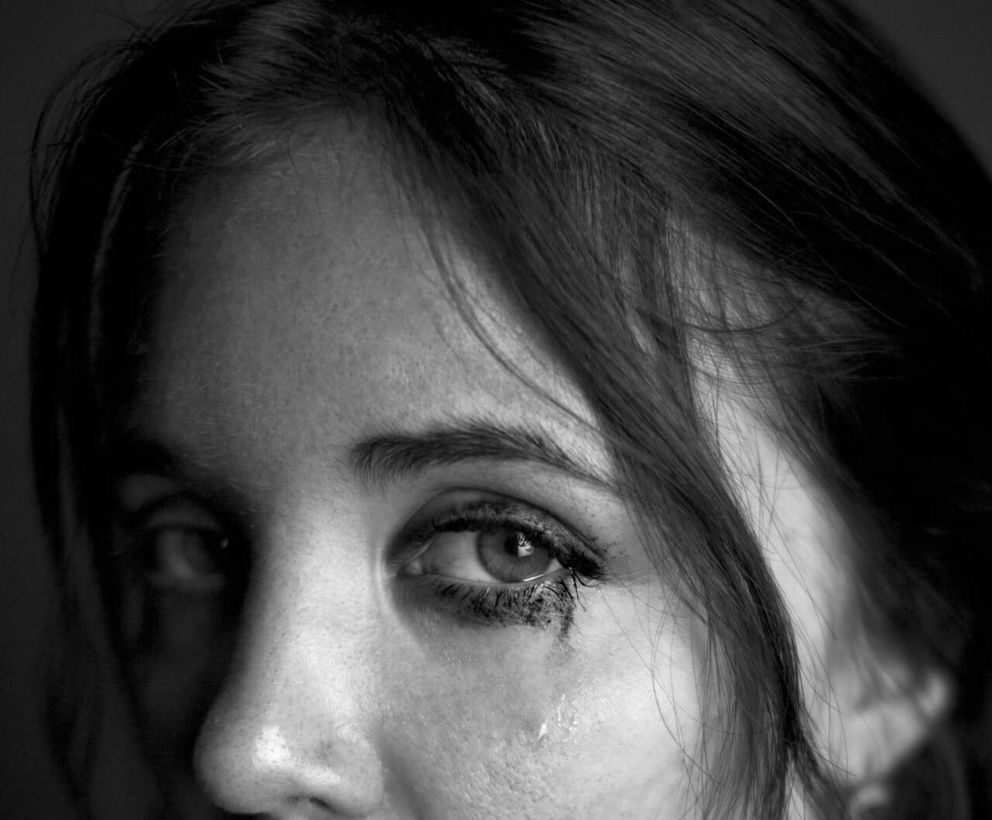
He called us Mommy and Daddy without hesitation, and every time I heard those words, something inside me healed.
Life felt right.
Until the night everything changed.
It was early April when someone knocked on the front door.
I opened it and froze.
A woman stood on our porch, soaked from the rain, clutching a worn photograph. Her eyes held desperation, hope, and fear.
“I’m so sorry,” she whispered. “My name’s Hannah. I think you’re raising my son.”
The words struck me like a blow.
“I came to take my son back,” she said. “I made a mistake three years ago, but I’m ready now.”
She told us everything—how she was 19, homeless, terrified. How she waited until dawn and left him somewhere safe. How she watched me pick him up and knew she’d chosen the right person.
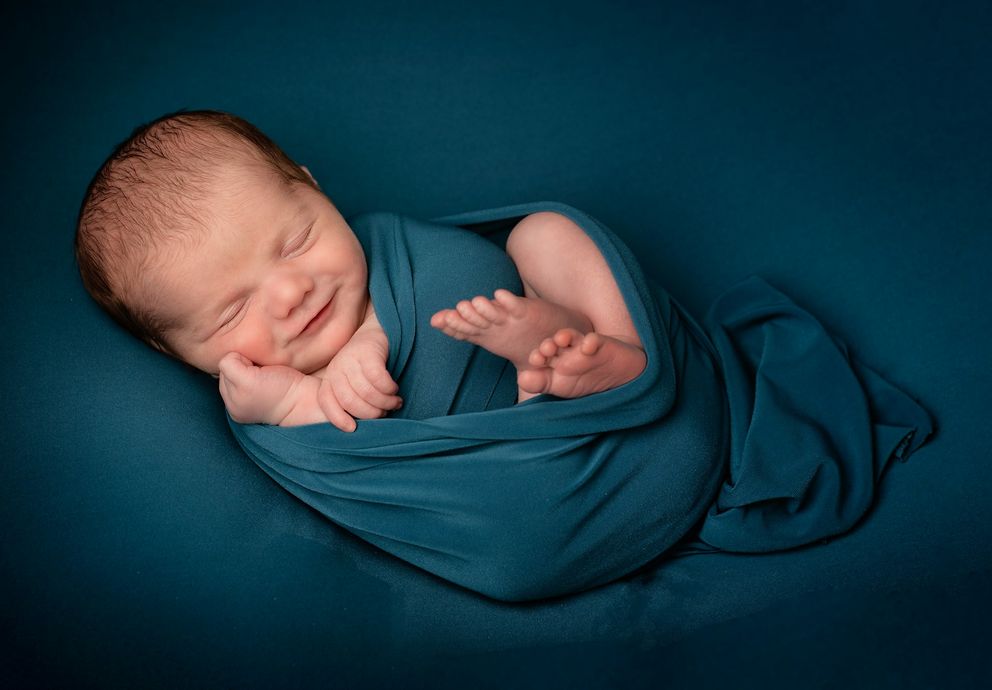
“I never stopped loving him,” she cried.
Legally, she had no rights. The adoption was final.
But the grief on her face was real.
After a long court process, after DNA tests confirmed she was his biological mother, the judge upheld the adoption.
When asked if we’d consider visitation, I said yes.
“She gave him life,” I said. “The least we can do is let her see that he’s happy.”
Over time, Hannah became part of Ben’s world. Not as a mother, but as someone who loved him.
She never tried to take him from us. And we never tried to erase her.
One day, she looked at me and said, “You gave him everything I couldn’t.”
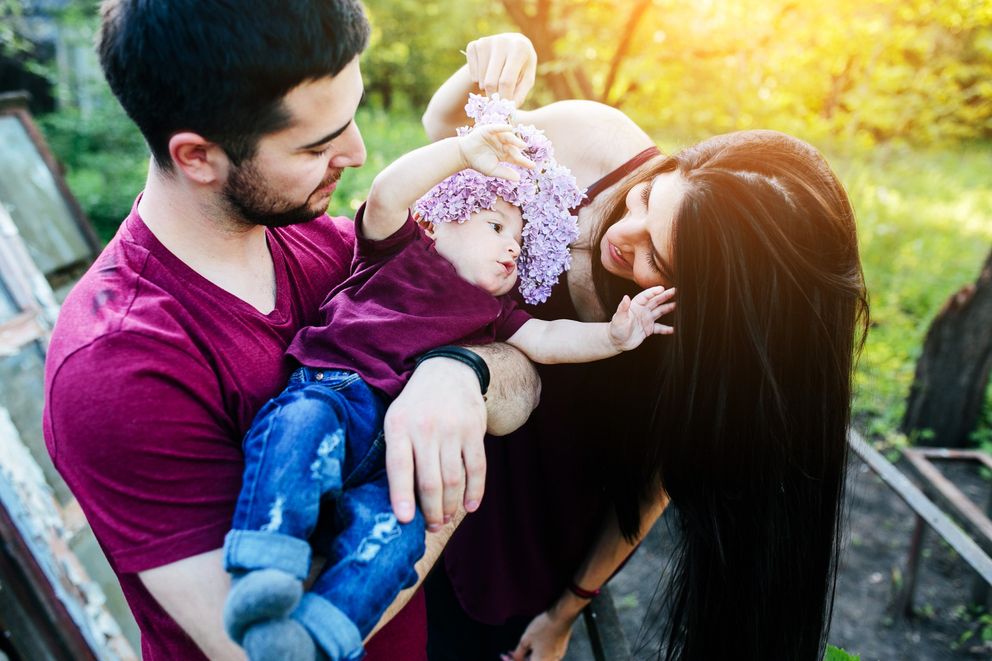
I took her hand. “You gave him life. We’re just taking care of it together.”
Now, when she leaves after visits, there’s no regret in her eyes.
Only peace.
Motherhood isn’t always about biology. It’s about showing up. Choosing love. Even when it’s complicated.
Ben is ours in every way that matters.
But he’s also Hannah’s gift to us.
Some families are built from broken pieces that somehow fit together anyway.
And maybe that’s exactly how it’s supposed to be.
