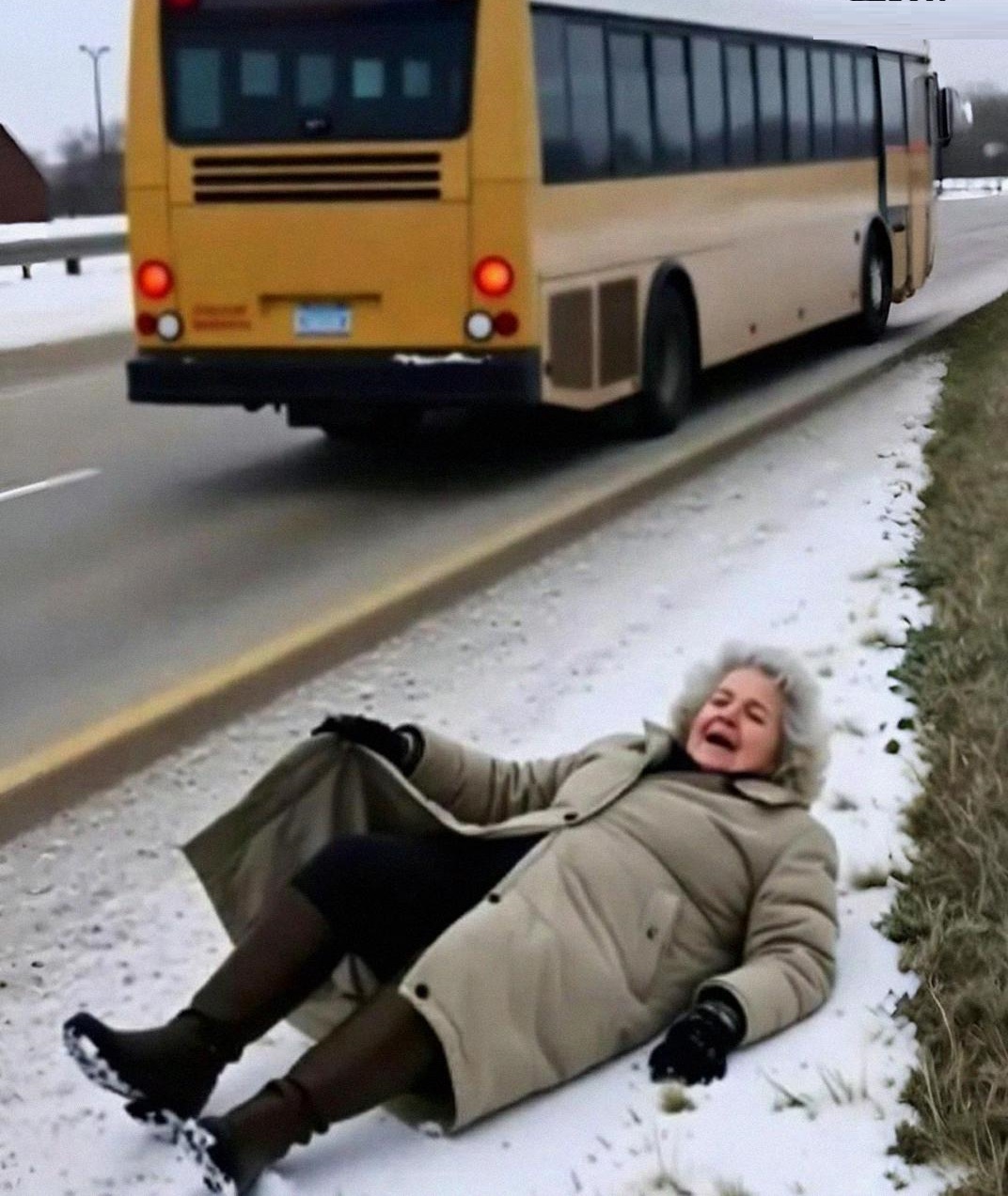
I’m 73 years old, and I thought I’d seen every shade of human cruelty. But nothing prepared me for what happened when a bus driver’s sudden braking sent me flying into a pole — and then he threw me onto the frozen street to save his own skin. What came knocking three weeks later changed everything.
I’m May. I’m 73 years old, and I’ve lived long enough to know that people can surprise you in the worst possible ways. But that icy morning last winter? That was something else entirely.
It was just another Thursday. Gray sky, frozen streets, the kind of cold that seeps into your bones and stays there. I’d just finished my appointment with Dr. Harrison — the same routine checkup I’d been doing for years.
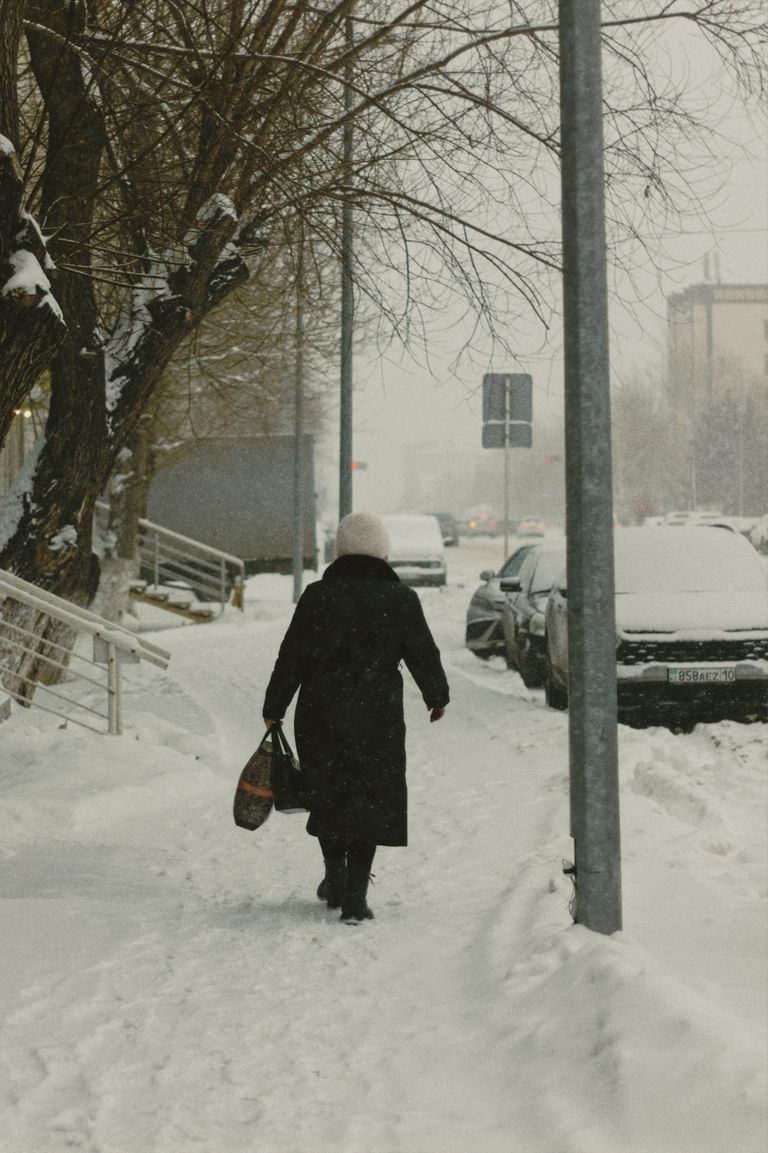
Arthritis in my lower back, he’d said. Nothing unusual for a woman my age. Take these pills, do some stretches, and I’d be fine.
“Miss May, you’re doing remarkably well for your age,” he told me. “Just take it easy on these icy sidewalks. One fall could set you back months.”
I smiled and told him I’d be fine. I’d been navigating these streets since before he was born.
If only I’d known how wrong I was.
I waited at the bus stop, breath forming little clouds in the frigid air. The bus was my usual route, but the driver was new. I could tell immediately.
The regular drivers knew me. They waited while I climbed the steps. This one didn’t.
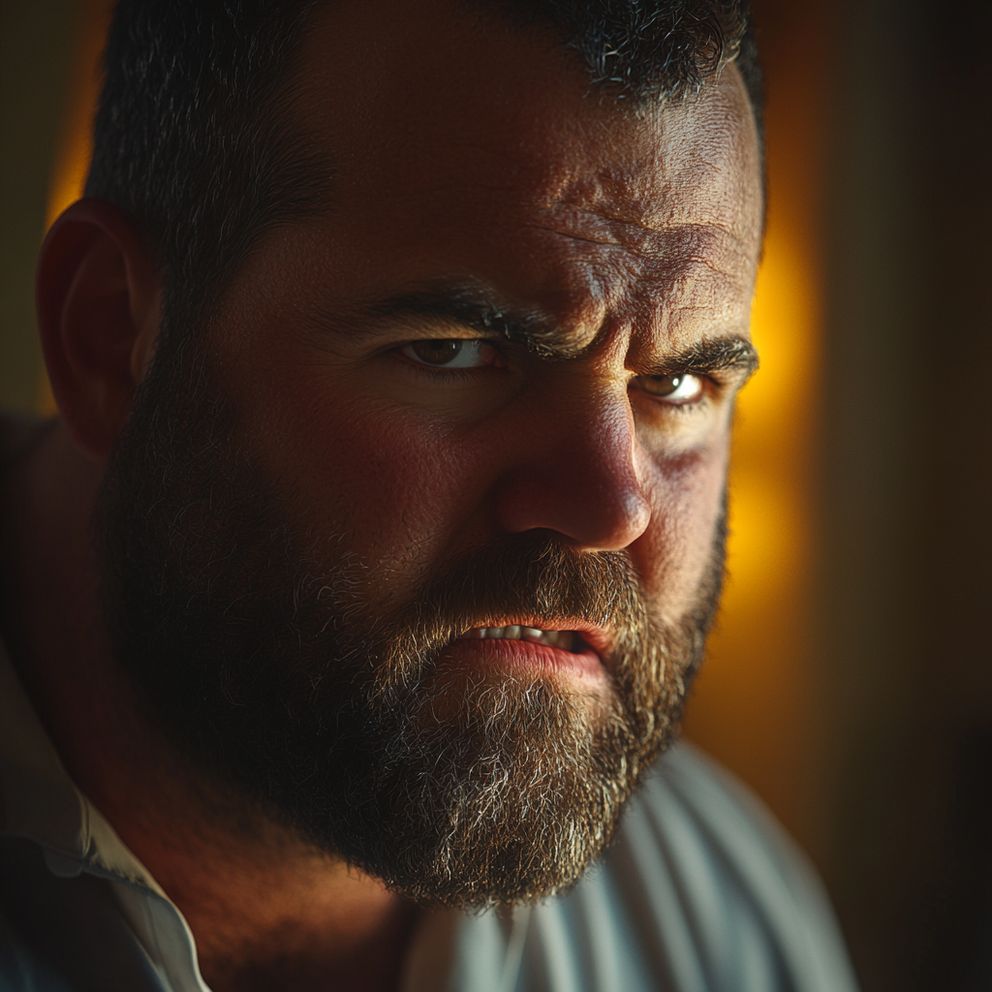
He was a stocky man in his late thirties. His name badge read Calvin. Dark circles under his eyes, stubble on his jaw, hands gripping the wheel like he was barely holding it together.
“Move it, lady,” he muttered as I boarded.
I said nothing. I swiped my card and made my way to my usual seat. The bus was empty, and the heater barely worked.
“Excuse me,” I called. “Could you turn up the heat? It’s freezing.”
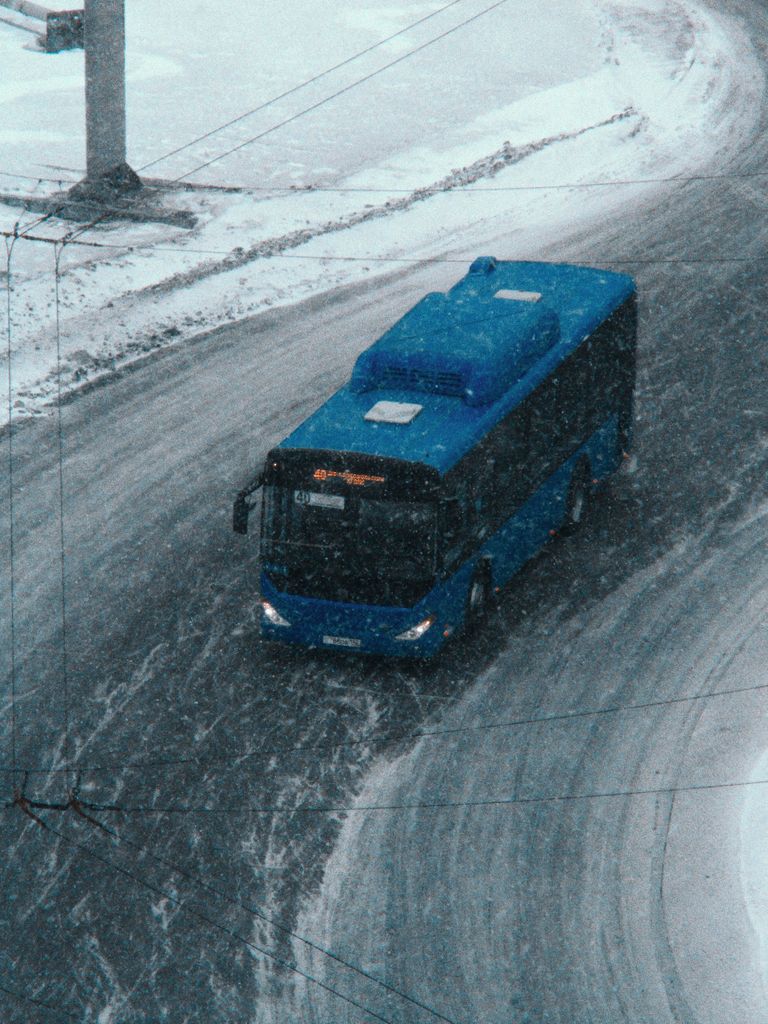
“The heater’s broken,” he said flatly. “Deal with it.”
We lurched forward. The roads were slick with ice. I held the seat in front of me, my fingers aching. Any reasonable driver would’ve gone slow.
Calvin didn’t.
He sped through corners, accelerated hard. My heart started racing.
Then a dog darted into the street.
Calvin slammed on the brakes.
The dog ran away unharmed.
I didn’t.
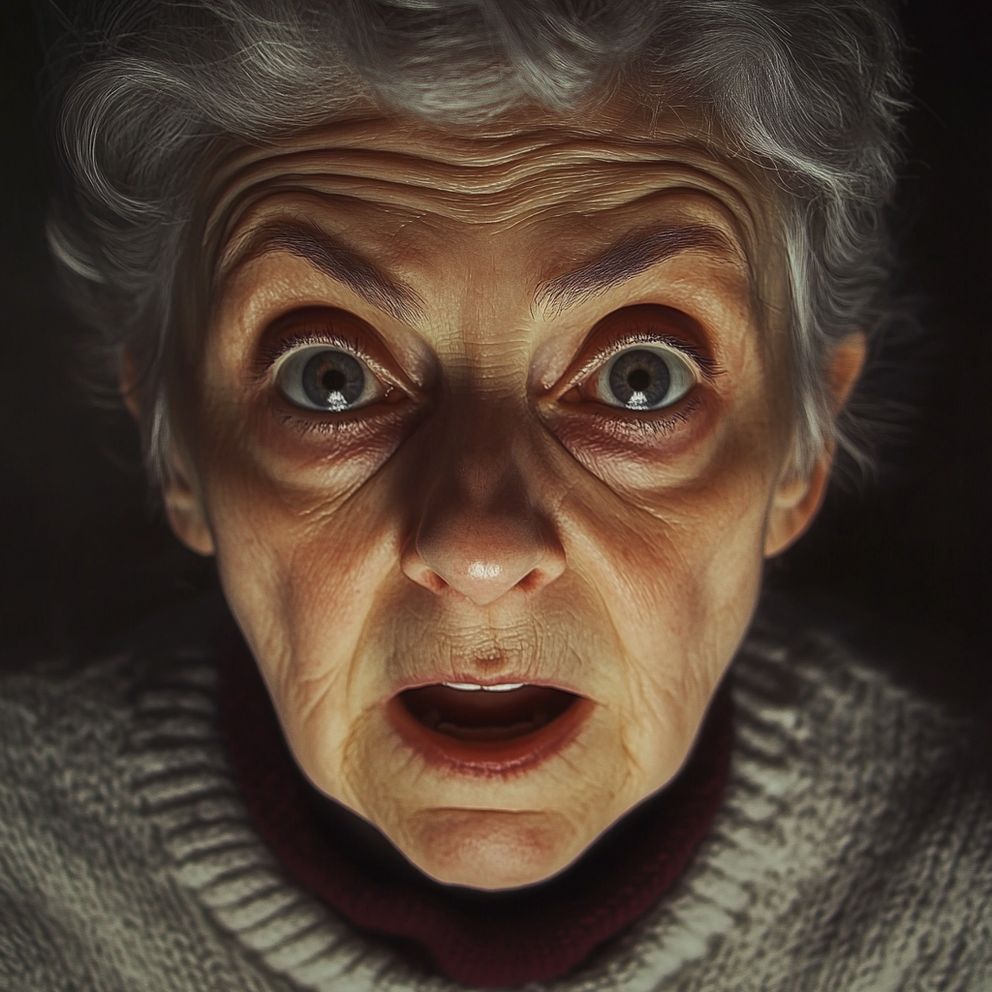
I flew forward and slammed into a metal pole. I heard a crack — sharp and unmistakable. The pain exploded through my spine. I couldn’t breathe. Couldn’t scream.
“My back,” I gasped. “Oh God… my back.”
Calvin turned, eyes wide. For a moment, I thought he cared.
Then his face hardened.
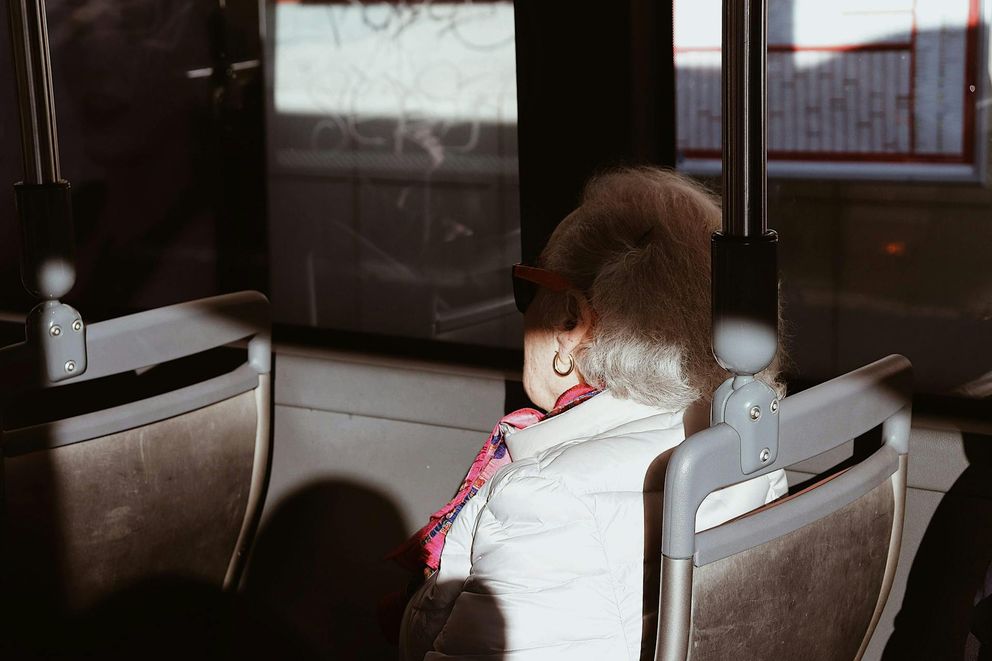
“What were you doing?” he snapped.
“I fell,” I cried. “I can’t move. Please call an ambulance.”
“You weren’t holding the rail,” he barked. “That’s on you!”
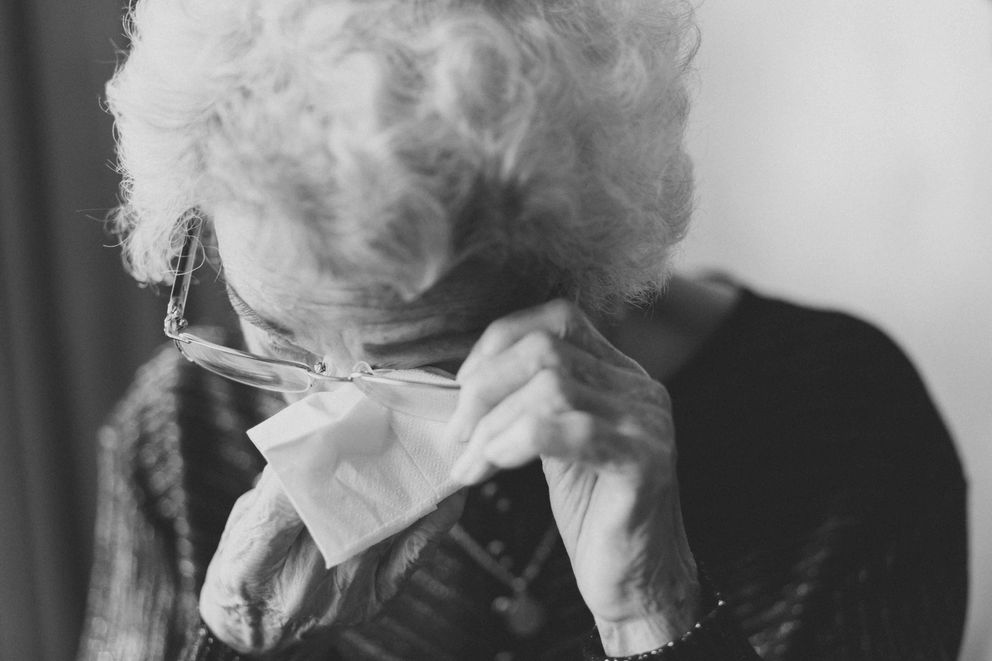
I stared at him in disbelief. Tears streamed down my face.
He glanced at the dashboard camera, then back at me.
“No,” he muttered. “Not again.”
“What are you talking about?” I pleaded. “Please, I can’t feel my legs.”
“You old people sue over everything,” he shouted. “I’m not losing my job. I’ve got kids.”
“I’m not trying to sue you,” I whispered. “I just need help.”
He stopped the bus, got out, and grabbed my arm.
“No—wait—”
He dragged me toward the door. I screamed as pain tore through my body.
“Get out before someone sees you!” he yelled.
“Please,” I sobbed. “At least drop me at the next stop. My house is close. Yellow house on Oakview Lane. I left my phone at home. Please…”
“No!”
He shoved me onto the frozen sidewalk.
I hit the ice. My head bounced. The bus doors hissed shut, and the engine roared away.
Silence.
Snow fell on my face. I couldn’t move. I couldn’t shout. Cars passed, headlights slicing through the snowfall. No one stopped.
I don’t know how long I lay there.
Eventually, I heard a voice.
“Oh my God. Ma’am? Can you hear me?”
A teenage boy knelt beside me, phone already out. He called an ambulance and stayed, draping his jacket over me even as he shivered.
“You’re going to be okay,” he kept saying.
I barely heard him.
At the hospital, they confirmed it: two fractured vertebrae, three cracked ribs, hypothermia.
“You’re lucky to be alive,” the doctor said.
I didn’t feel lucky.
I stayed two weeks in the hospital. My daughter came from out of state, crying when she saw me. I told her I slipped on ice. My son called every day.
I didn’t mention the bus driver. What was the point? No proof. Just an old woman’s word.
When I got home, I needed a cane. Every movement hurt. The house felt colder than ever.
Three weeks later, there was a knock at my door.
It was Calvin.
He looked thinner. Haunted. Exhausted.
“Please,” he said, voice shaking. “Don’t press charges.”
My blood ran cold. “How did you find me?”
“You said yellow house on Oakview Lane,” he replied. “I’ve been coming every day.”
He told me about his kids. His wife leaving. His fear of losing everything.
I gripped my cane. “You left me to die in the snow.”
He cried openly. “I panicked. I was scared. I’ll pay for your treatment. I’ll do anything.”
“Anything?” I asked.
“Yes.”
“Then you’ll pay for my therapy,” I said. “And you’ll help me every day — cooking, cleaning, driving me — until I can walk again.”
He hesitated, then nodded. “Okay.”
And he did.
Every day. Morning and evening. He cooked terrible soup at first. I corrected him. He shoveled snow. Helped me stand. Never complained.
Sometimes his sons came with him — quiet boys who did homework at my table.
“He cries at night,” one of them told me.
Spring came. My strength returned. One day, I stood without my cane.
“I’m standing,” I whispered.
He smiled. “Guess we both learned how to stand again.”
He never stopped coming.
“You saved me,” he told me. “You gave me a second chance.”
The man who left me broken on frozen pavement helped me walk again. He taught me that forgiveness doesn’t mean forgetting — it means choosing humanity over hatred.
Maybe that wasn’t the worst day of my life.
Maybe it was the day that changed us both.
