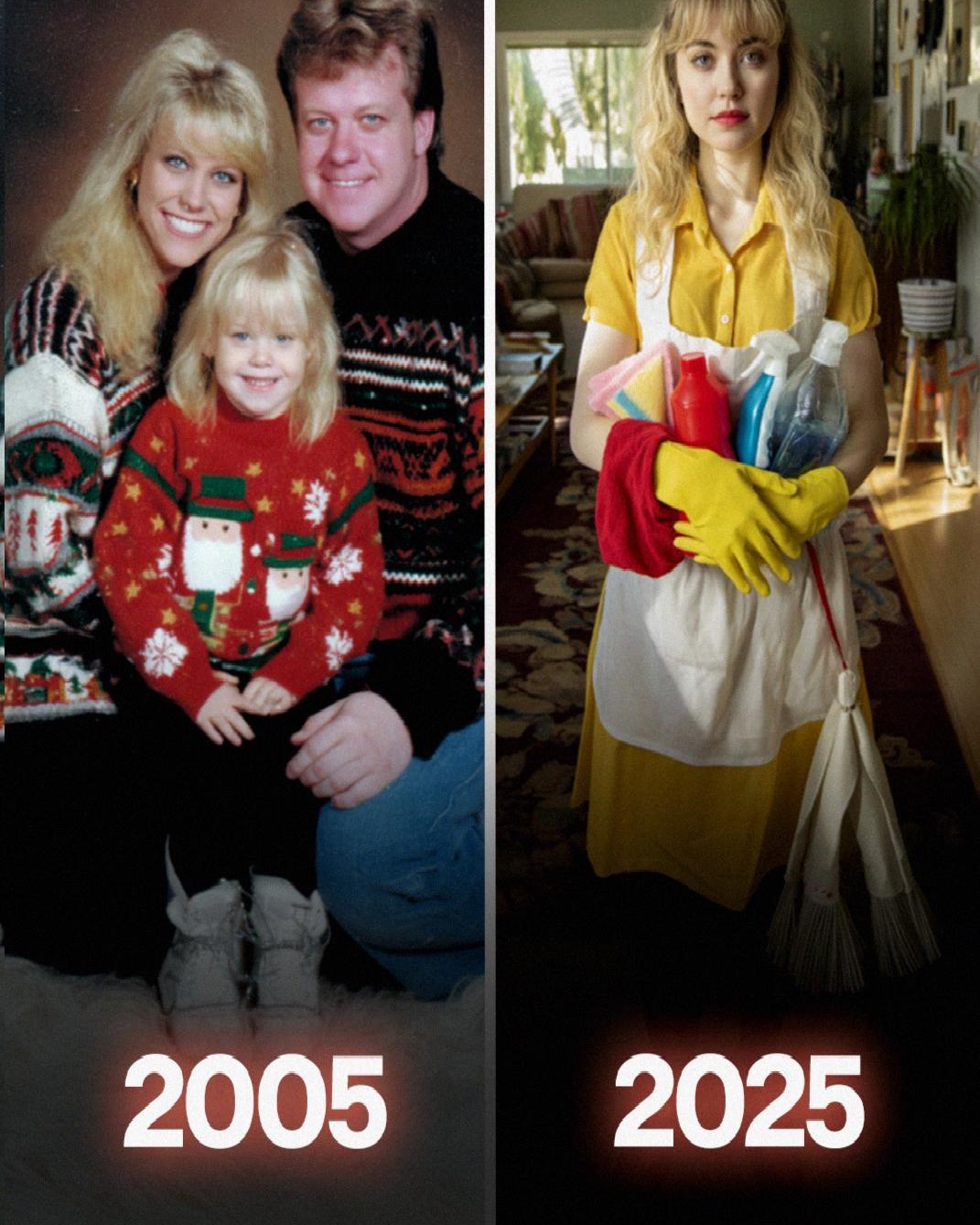
When Lena took a new high-paying cleaning job, she thought it was just another client on her growing company’s list—until she saw the name. Twenty years after her aunt stole everything and abandoned her, fate had placed Lena back at her doorstep. Would she finally get justice?
When I was three, my parents died in a car crash on their way home from a weekend trip.
All they owned—the house, the savings, and the insurance—was meant for me.
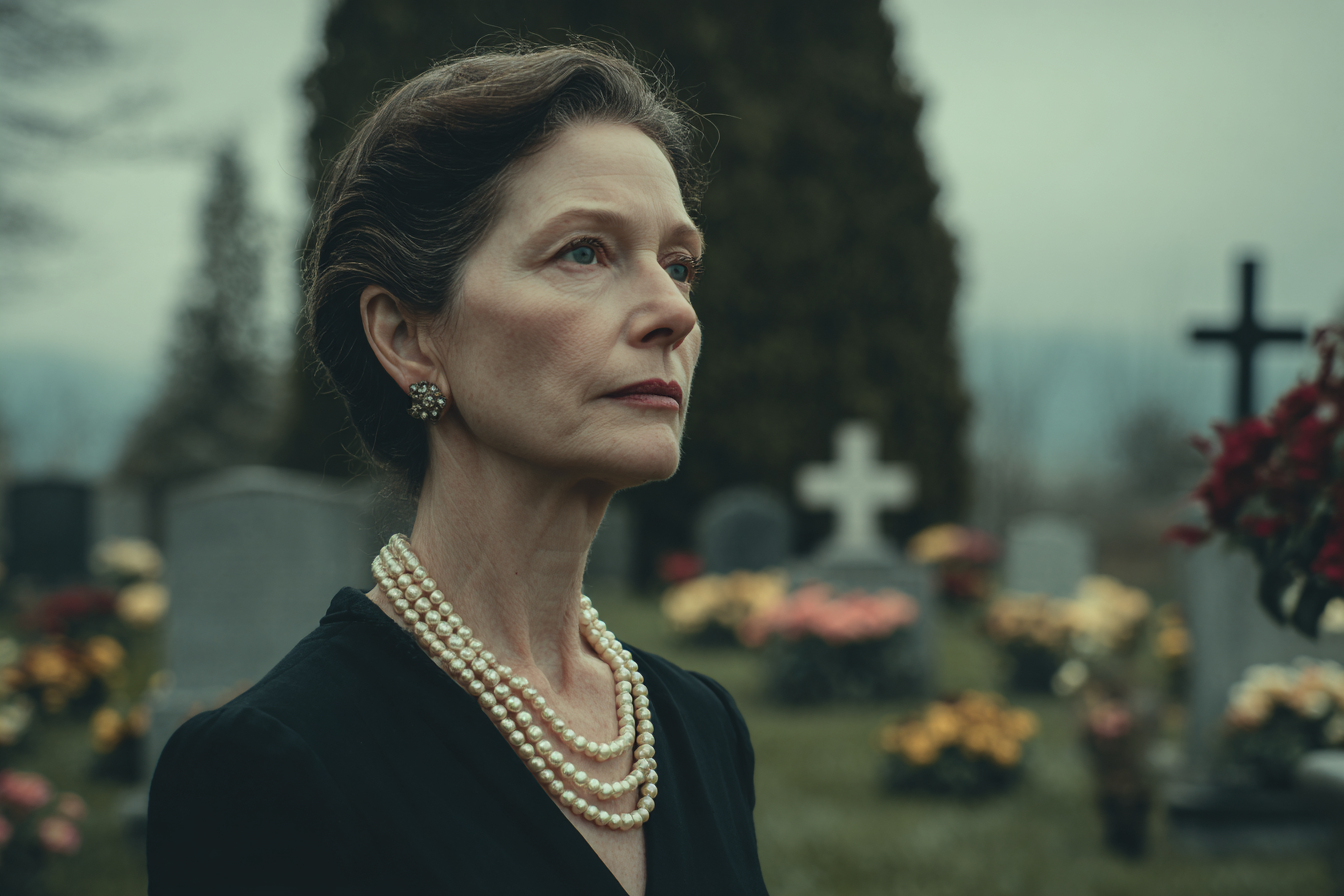
My aunt, Diane, stepped in like some self-appointed guardian angel. She wore pearls to the funeral, smiled through her tears, and told everyone she’d “take care of me.” And for a little while, she did.
She moved into my parents’ house, redecorated the living room, and started referring to herself as “the only family I had left.”
I barely remember that time. Six months later, she sold the house, took the money, and left me at a foster home. Then she was gone—like she never existed.
I was too young to grasp betrayal, but I understood being alone. I bounced from one foster home to another, asking myself why this was my life.
By 16, I was cleaning houses after school. By 18, offices at night.
And at 23, I had my own cleaning business called PureSpace Services. While working as a cleaner during my teens, I’d learned enough to set up my own company. I had six employees, two vans, and a reputation for perfection.
Most mornings started the same: coffee cooling too fast, the hum of vacuum trucks leaving the lot, and the soft chatter of my team as they loaded supplies. I could tell who’d packed which caddy just by the scent of the polish.
Every house we cleaned carried a story, and every glimmer of glass or sweep of dust felt like a quiet triumph over everything I’d lost.
I still remember the day I signed my first client contract. My hands shook so much that I smudged the ink.
People see my smile and think I’ve always been fine. They don’t see the girl who fought her way out of the life she never chose.
I hadn’t thought of Diane for years—not until one normal Tuesday morning.
I was in my small office, sipping lukewarm coffee, scrolling through new client requests on my tablet, when something caught my eye.
“3,500 sq. ft. property. Once-weekly maintenance. Cash payment. Owner requires discretion.”
At first, it looked like any other luxury home listing. Then I saw the name.

I froze.
The address shared the same ZIP code as my parents’ old home.
No way, I thought. Is this really… Diane?
I should have deleted the request. I told myself it wasn’t worth reopening old wounds. But my fingers hovered over the keyboard, and I typed a response without thinking.
“Accepted. I’ll handle this personally.”
I told myself it wasn’t about revenge. It was about closure.
Three days later, I pulled up to a grand colonial-style house. It wasn’t the one my parents had owned—but it was close enough.

When the door opened, Diane stood there wearing a pearl necklace.
“Yes?” she said sharply.
“Good morning, ma’am. I’m from PureSpace Cleaning.”
She gave me a quick, dismissive glance. “Well, I hope you’re better than the last girl. Come in.”
The house gleamed, but it felt hollow.
“Start upstairs,” she said. “And don’t touch the jewelry box on my vanity.”
“Yes, ma’am.”

I cleaned in silence. Everything screamed wealth, but it was the kind that covered rot.
She talked constantly—about charity work, important friends, and her refined taste.
One afternoon, she glanced at a framed photo of herself with my mother.
“I had a niece once,” she said. “Poor thing. Ungrateful. I did everything for her, and she turned on me.”
My hand froze.
“You had a niece?” I asked.
“Had,” she replied. “Family disappoints you sometimes.”

With each visit, the truth became clearer. Her generosity was performative. Her kindness hollow.
The week of her big charity luncheon, she barked orders nonstop.
“These rugs cost more than your salary!”
When guests arrived, I stayed in the kitchen.
“My husband and I are blessed,” Diane announced. “We worked hard for everything we have.”
Someone replied, “Your sister’s insurance helped you get started, didn’t it?”
“That was decades ago,” Diane said. “I made something of it.”
That night, I couldn’t sleep.
The following week, I made a decision.
When I arrived, I placed a framed photo on her coffee table.
It showed my parents sitting on a picnic blanket with a smiling three-year-old girl.
Diane froze.
“Where did you get this?” she whispered.
“You tell me.”
“That’s my niece.”
“Yes,” I said. “That little girl was me.”
Silence filled the room.
“You sold everything they left me,” I said. “And you gave me away.”

Her eyes filled with tears.
“What do you want from me?” she asked.
“To see who you became,” I said. “And to show you who I became despite you.”
As I left, I turned back once.
“I hope one day you learn to clean up your own messes.”
Two weeks later, her husband called me.
He’d discovered the hidden accounts, the fake charities, the stolen funds. He filed for separation.
Months passed.
One morning, my receptionist said Diane was here.
She looked smaller. No pearls. No confidence.
“I came to apologize,” she said. “I ruined everything.”
She told me she’d seen my name in the paper—how my company donated to foster children.

“Your mother would be proud,” she whispered.
For a long moment, I said nothing.
“Maybe she would,” I said finally. “And she’d want me to forgive you too.”
“I’m still learning,” I added.
That afternoon, I sat at my desk, staring at the photo of my parents and me.
Revenge felt satisfying for a moment.

But grace lasted.
Because some messes aren’t meant to be cleaned with anger.
They’re meant to be washed with forgiveness.
