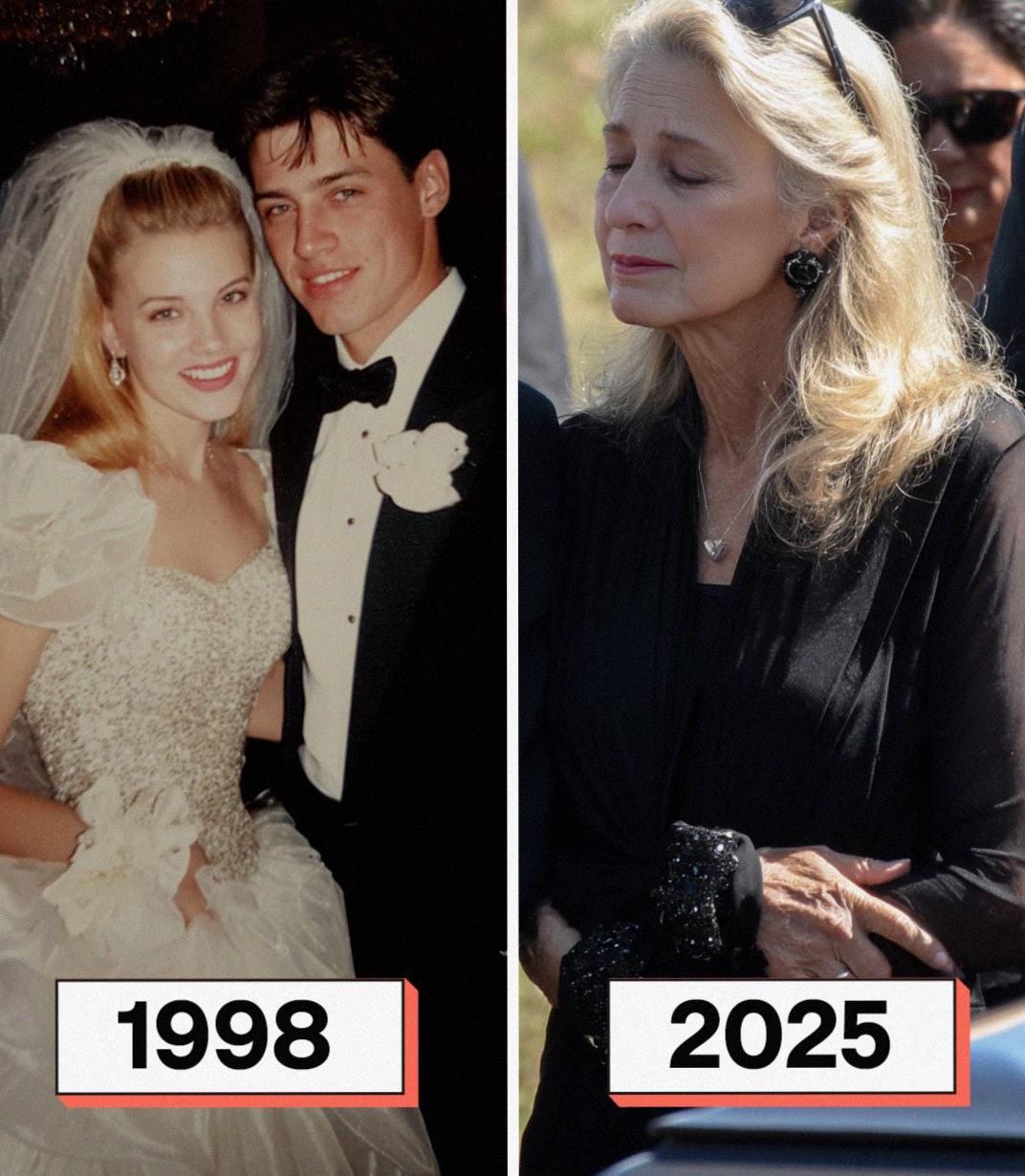
When my husband died after 27 years together, I thought grief was the worst pain I’d ever face. But then his lawyer told me our marriage never legally existed, and I had no claim to anything we’d built. I was about to lose everything, until I discovered the shocking truth about why he’d kept this secret.
I’m 53 years old, and I thought I’d already endured life’s worst heartbreaks. But nothing prepared me for the day Michael died.
It was a car accident on a rainy Tuesday afternoon. One phone call from a police officer I didn’t know, and my entire world imploded.

My husband, my partner of 27 years, the father of my three children, was gone. Just like that. No warning, no chance to say goodbye, no final “I love you.”
The funeral was a blur of flowers, tears, and murmured condolences from people whose faces I couldn’t focus on. I clung to our three children, thinking that if I held them tight enough, somehow we could all survive this together.
Mia, my 18-year-old daughter, stood beside me with red-rimmed eyes, trying to be strong. Ben, 16, kept his jaw clenched, fighting back tears. They were falling apart, and so was I.
The first few weeks after Michael’s death were like moving through thick fog. I went through the motions of living without really being present. I made meals I didn’t eat, answered questions I didn’t hear, and lay awake at night in our bed, reaching for someone who wasn’t there anymore.
Then came the meeting with the lawyer.

I sat in his office three weeks after the funeral, surrounded by dark wood paneling and leather-bound books. He handed me a stack of papers, and I started skimming through them with trembling hands.
My chest tightened as I read. There was a line, small and clinical, buried in the legal jargon.
No record of marriage found.
I blinked, certain it was a mistake. Some clerical error, or something that could be easily fixed. Twenty-seven years together, all those birthdays and anniversaries, all those family vacations and quiet Sunday mornings, all those arguments and making up, and all that laughter and love. How could it not exist legally?
“I’m sorry,” the lawyer said gently. “But legally, you were never married. We’ve searched every database and county record. Your marriage certificate was never filed with the state. Without a marriage certificate or a will naming you as a beneficiary, you have no claim to his estate.”
The room tilted. I gripped the arms of the chair to steady myself.
“I’m his wife,” I insisted. “I’m the mother of his children.”

He shook his head. “Without legal documentation, in the eyes of the law, you were cohabitating partners. Not spouses. And your husband died intestate—without a will. His estate goes to his legal next of kin: his brother and extended relatives.”
And then the worst blow: I had two weeks to vacate the house. The house we’d built together, renovated room by room over two decades.
The following weeks were a nightmare. I lost weight. I couldn’t sleep. I could barely function. The kids were suffering, too—putting their dreams on hold because of my panic and grief.
Exactly one week before we had to leave the house, there was a knock on the door.
A county clerk stood there with a leather folder.
“Ms. Patricia,” she said softly. “There is something you need to see.”
We sat at my kitchen table. She laid out several documents.
“Your husband never filed the marriage certificate,” she said. “But it wasn’t negligence. He did it to protect you.”

“Protect me? By making it look like we were never married? By leaving us with nothing?”
She shook her head. “He created trusts, insurance policies, and financial protections to secure everything for you and your children—outside of probate court, outside of any challenges. These assets are legally yours, regardless of marital status.”
She handed me an envelope with my name on it.
It was from Michael.
His handwriting nearly broke me.
He explained that years ago he made business decisions that could have put everything at risk—creditors, lawsuits, disputes. By not filing the marriage certificate, and instead setting up legally protected trusts and accounts, he ensured nothing could ever be taken from us.
He explained that the house was placed in a trust with my name on it. The kids’ college funds were secure. Everything was protected from probate, relatives, and creditors.

He ended the letter with:
“You are my wife in every way that matters. I did this out of love, to make sure you and the children would be safe—no matter what. Please forgive me.”
My tears fell onto the pages.
Over the next few weeks, the clerk helped me sort through everything. The home was secured. The children’s education was funded. My financial stability was ensured.
Slowly, the fear faded. I could breathe again. Grieve again. Live again.

One evening, I reread Michael’s letters while my children sat with me at the kitchen table.
“Dad really loved us, didn’t he?” Mia whispered.
“Yes,” I said. “More than we ever understood.”

Michael may not have filed a marriage certificate. But he protected us with more love, foresight, and sacrifice than a legal document could ever show.
And in the end, that was what mattered most.
