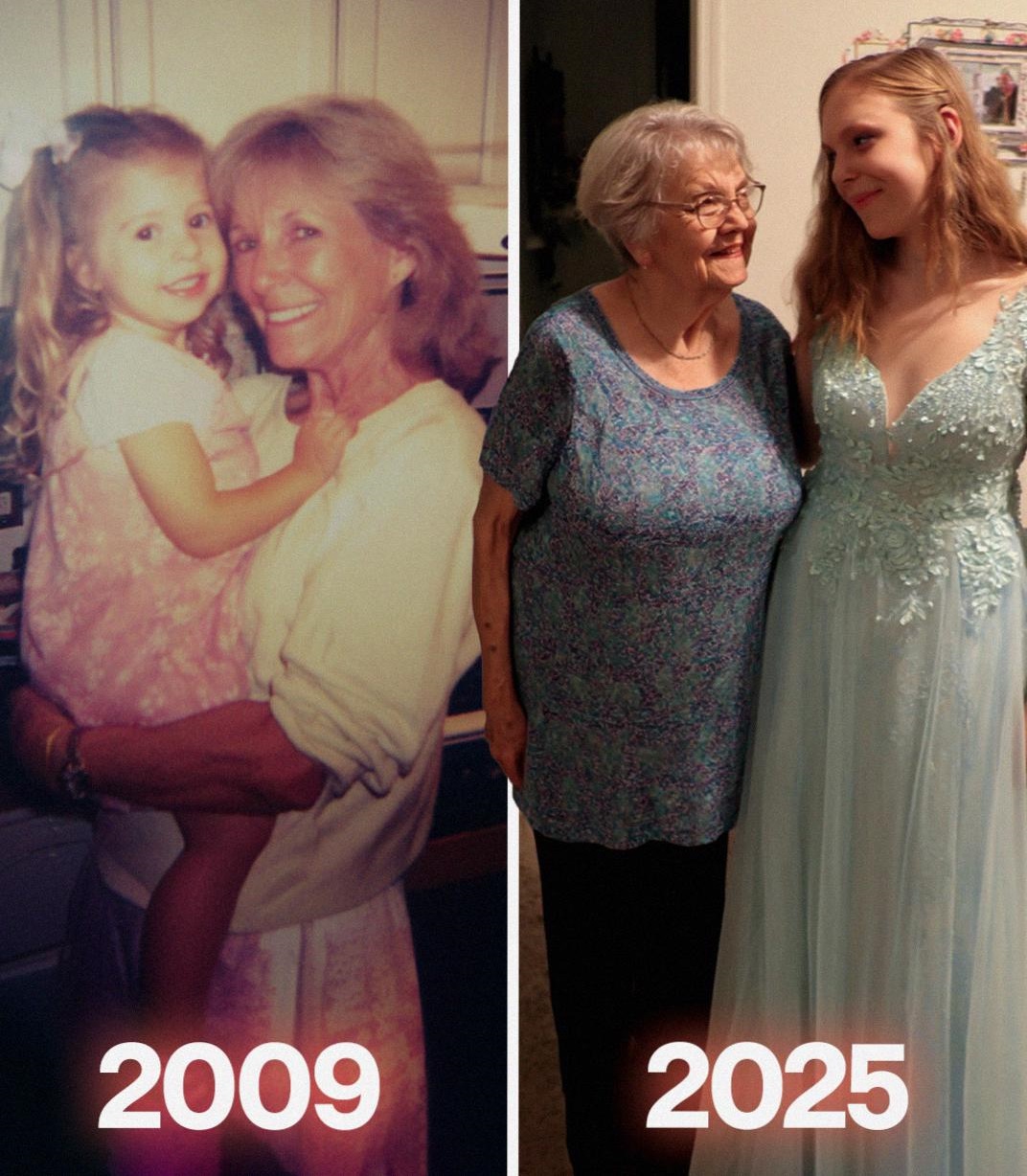
After raising her granddaughter alone following the death of her son, June thought the hardest days were mostly behind them. But when her former daughter-in-law suddenly reappeared with a designer gown and an envelope, she discovered that some people were even worse than anyone could have imagined.
Sixteen years ago, when I was 56 and still bouncing between cramped rental apartments, my son Mark achieved something I never could.
At 29, he bought a modest one-story house for his wife, Melissa, and their little girl, Emma. He was a construction worker with calloused hands and big dreams.

“Mom,” he told me over coffee in that tiny kitchen, “I want to add rooms, build a porch, maybe even put up a swing set in the backyard. I’ll even make you a room over the garage, too.”
I was so proud, and because this was a big milestone, he’d drawn up a simple will, just in case. If anything were to happen, the house would go to Emma.
But before his dreams could unfold, a construction accident stole his life. Emma was only two years old.
At the funeral, I clutched Emma’s small hand while Melissa greeted people as coldly as a winter storm.
Once we were back at the house, I caught her packing her suitcase. She was 27 then. “Take care of her,” she muttered when I tried to stop her at the door, throwing her set of house keys at me.
Outside, I saw her getting into a luxury car with a smiling man in the front seat.

The engine purred as they drove away, leaving Emma and me standing in the driveway.
That was the last time I saw her.
Afterward, I moved into Mark’s house with Emma and worked every job I could find to keep the mortgage paid and food on the table.
I cleaned homes until my knees ached, babysat neighbor kids, and waited tables at a local diner until my feet swelled.
Time passed like pages turning. I aged into my seventies with a back that ached every morning and more wrinkles than I could count.
But I still had my energy, and Emma grew into a beautiful young lady.
She was kind and thoughtful. She never asked for much, although I knew all her friends came from better-off families.
Still, she made thrifted clothes seem fashionable and told me she loved me constantly.

But I knew that all high school girls wanted to feel beautiful at one event: their senior prom.
A few weeks before it, I asked if she planned to go. She shook her head and said softly, “Grandma, don’t worry. We can’t afford a dress anyway. I already looked. Nothing will work.”
She tried to sound nonchalant, but I knew it hurt her. She deserved a moment to shine.
The next day, I found a soft blue satin fabric at a local vintage shop that wasn’t too expensive.
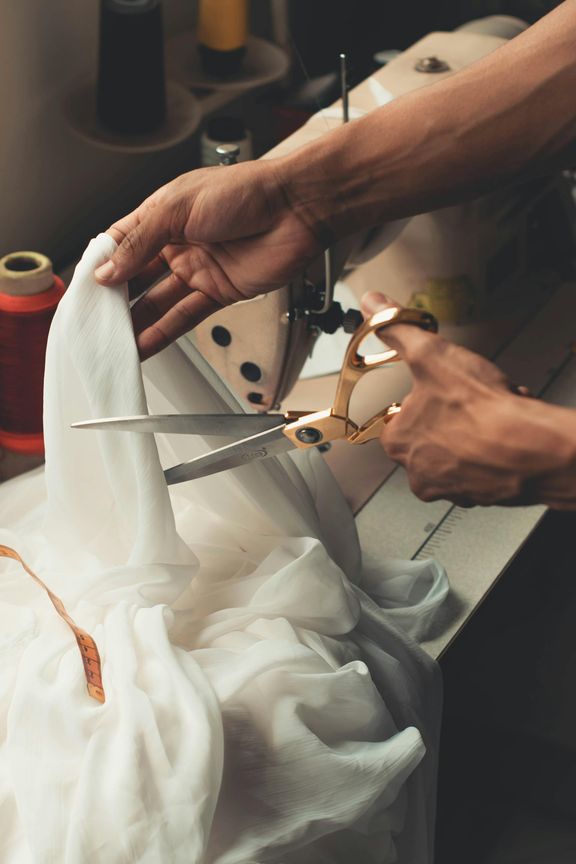
That night, after my shift at the diner, I dragged my old sewing machine to the kitchen table and began working on her gown.
Emma protested, saying I already worked too much, but I wasn’t too tired to make her happy.
I poured love into every seam, working for days until my fingers cramped and my eyes watered.
The night before prom, Emma tried on the finished dress in our narrow hallway, turning slowly in front of the mirror.

The fabric shimmered softly, and tears filled her eyes.
“It’s the most beautiful dress I’ve ever seen,” she whispered.
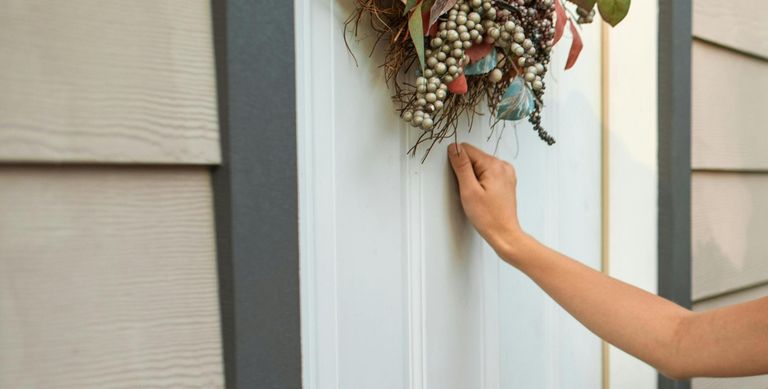
Then a sharp knock rattled our front door.
I opened it and froze. Melissa stood on our porch, smiling brightly.
Time had been kind to her. She was 43 now and looked better than ever—perfect makeup, styled hair, designer heels clicking as she swept inside uninvited, a glossy garment bag over her shoulder.
“My baby girl!” she exclaimed, pulling Emma into a dramatic hug.
Emma stood stiffly in her arms, confused.
Melissa unzipped the bag and pulled out a glittering silver gown.
“I brought you a special gift,” she said, eyeing Emma’s homemade dress. “Prom’s tomorrow, right? You can’t wear that. Everyone will laugh at you. Take this — a real dress.”
For a moment, I wanted to believe she’d come to reconnect.
The gown was stunning. Emma would have looked like a princess.
But then an envelope slipped from Melissa’s purse and landed on our worn carpet.
Emma picked it up. Her name was written across it.
Inside were legal papers — official documents with signatures and seals.
“What is this?” I asked, dread creeping up my spine.
Melissa’s smile faltered. “Sweetheart,” she said to Emma, “this house was meant for us. Your father bought it for our family. If you sign these, I can sell it and put us somewhere better. Somewhere glamorous. You don’t have to stay stuck here.”
The room went silent.
Emma’s hands trembled, but her voice was steady. “You think a dress makes you my mother? You left me. Grandma raised me. This house is ours.”
“You left me,” she repeated. “And now you want money. You came to the wrong place. I’m 18. Grandma is my family. This house is mine and hers.”
With that, Emma tore the papers to shreds.
Melissa’s smile collapsed into rage. “Ungrateful brat,” she hissed. “You’ll regret this when you’re broke and taking care of a dying old woman.”
She stormed out, heels clattering, slamming the door behind her.
Emma wrapped her arms around me, and I knew it was over.
The next evening, prom night arrived.
Emma smoothed her blue dress and smiled at me. “Ready, Grandma?”
I dropped her off at school and wished her a good night.
After midnight, I heard a car pull into the driveway. Emma came up the porch steps with smudged mascara and loose curls — and a smile that lit up the night.
“How was it?” I asked.
She hugged me tightly. “I was the most beautiful girl there. Because of you.”
She told me how everyone loved her dress, how she danced and laughed all night.
“This was the best night ever,” she said.
This was the beginning of her future. She had a partial scholarship for college and would continue living here with me.
After all the sacrifices, I’d raised another good child who didn’t care about money or appearances.
She was just like her father.
And this was her home.
