I thought I’d seen every kind of cruelty people are capable of. But nothing prepared me for watching a rich man humiliate an elderly woman over a mop bucket. What I didn’t know was that standing up for her at that café would land me in my boss’s office the very next day.
By the time Thursday evening rolled around, I was running on fumes. Parent-teacher conferences had stretched past eight, my voice was hoarse, and my feet ached after twelve straight hours of talking. I had chalk dust in my hair and probably on my face too.
The last thing I wanted was to go home and stare at an empty fridge, trying to summon the energy to cook. So I pulled into the parking lot of Willow & Co. Café instead.
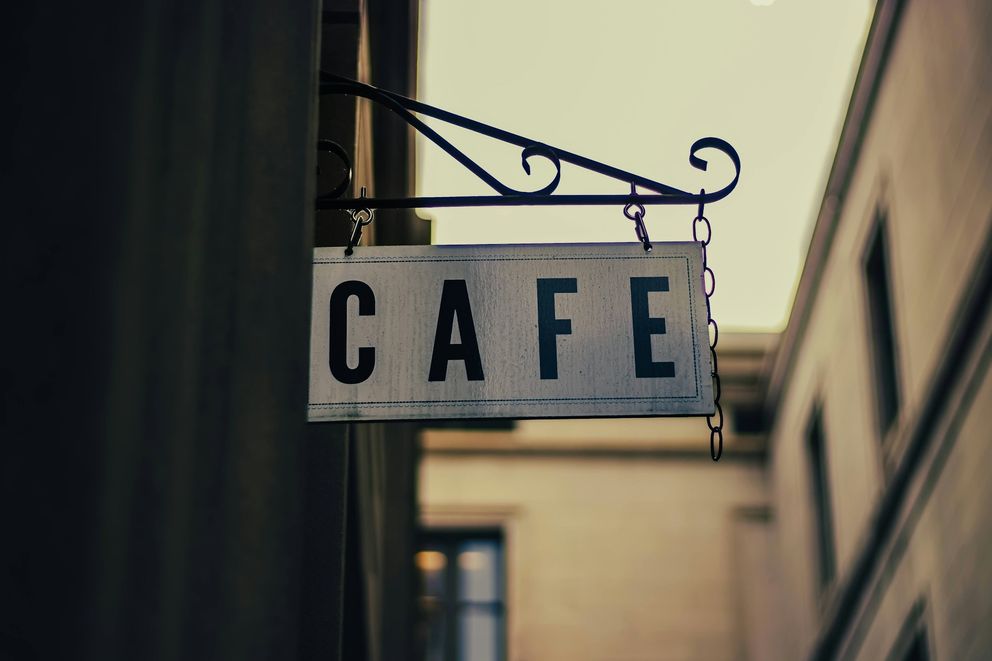
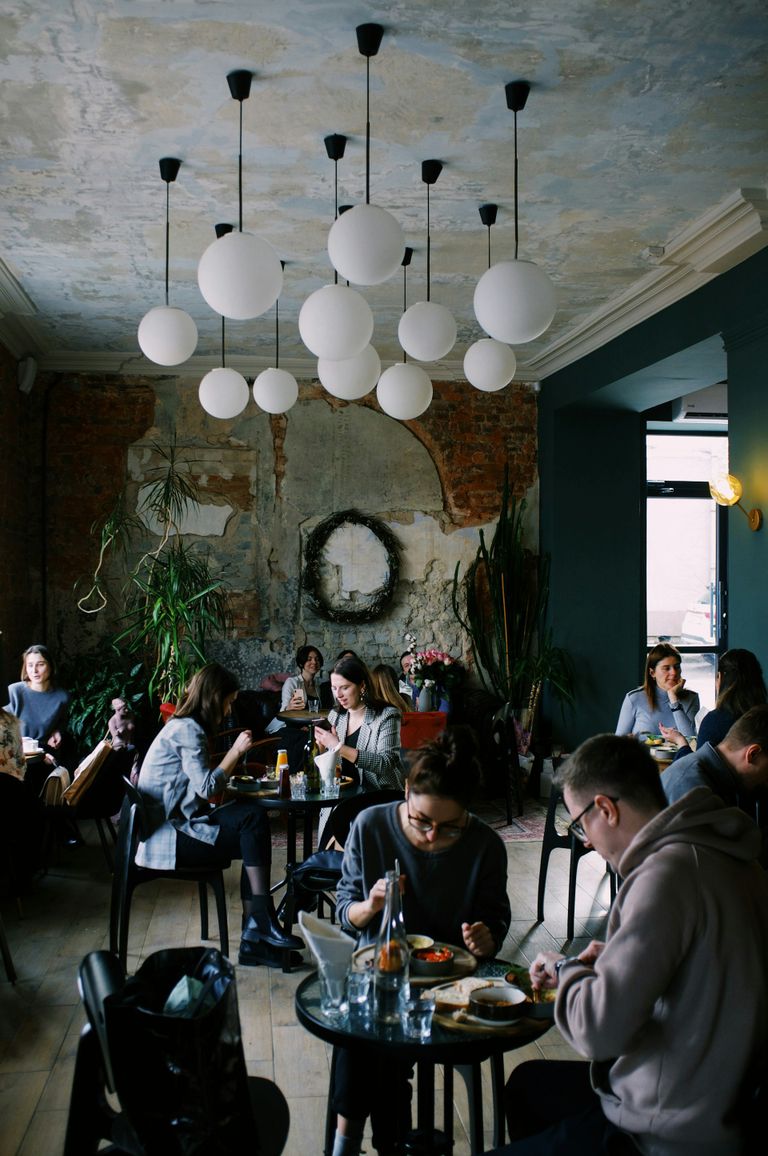
It’s one of those places that makes you feel like a real adult. Warm lighting, soft jazz, and the smell of fresh bread and coffee wrap around you like a hug. I needed that — just thirty minutes of pretending I wasn’t someone who spent her days breaking up fights over crayons and explaining why we don’t eat glue.
I joined the line at the counter. The café was calm, people on laptops, couples on dates, a few enjoying the quiet.
Then I heard it.
“Are you completely blind, or just stupid?”
The voice was sharp enough to slice through the room. I turned toward the sound.
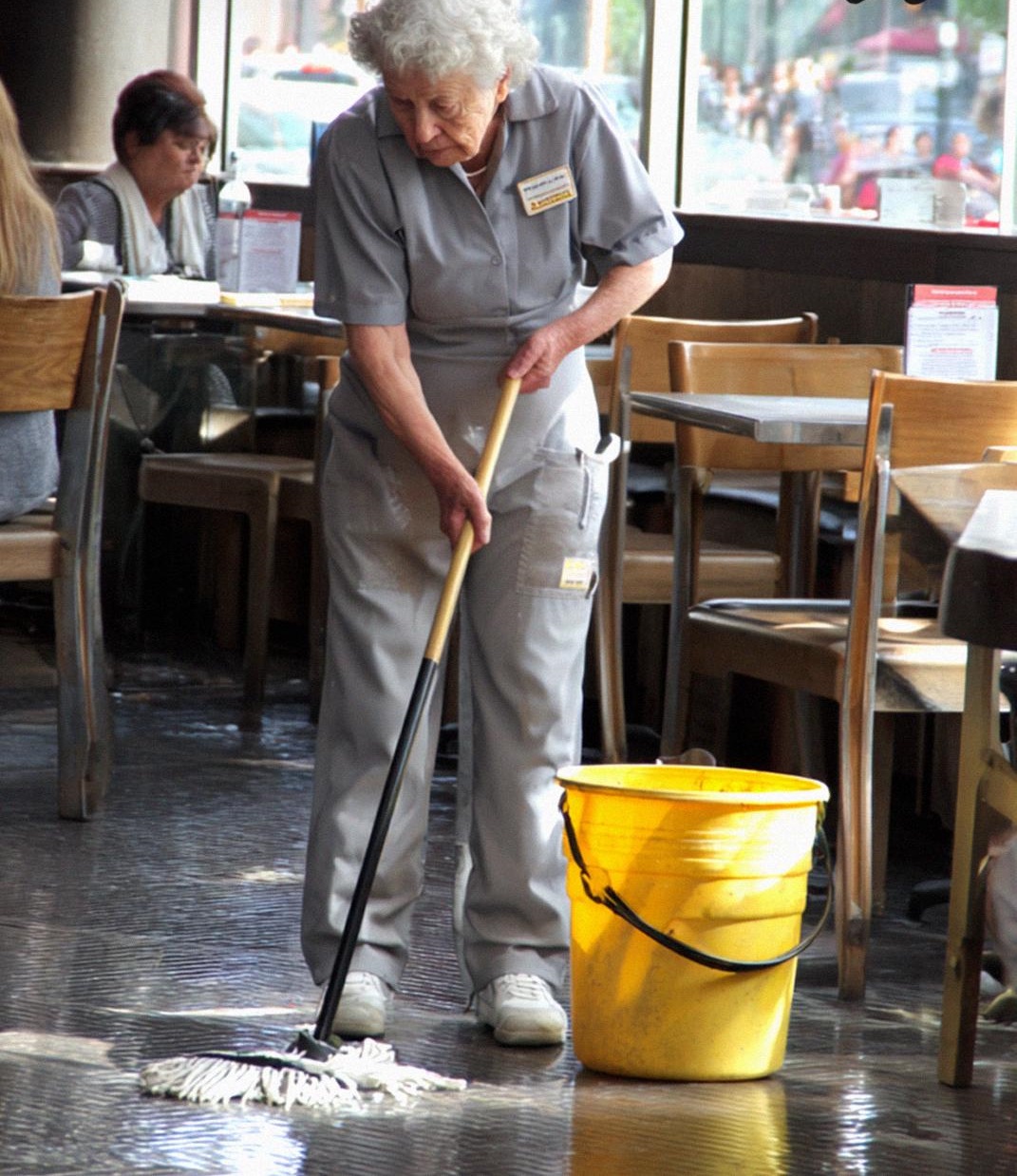
A man stood near the entrance, glaring down at an elderly woman in a cleaning uniform. She couldn’t have been younger than seventy. Her back was slightly bent, her hands wrapped around a mop handle. A bucket of soapy water sat beside her.
The man wore an expensive suit, polished shoes, and the unmistakable confidence of someone used to getting his way.
“I’m so sorry, sir,” the woman said. Her voice trembled, but her dignity held. “I just need to finish this section. It’ll only take a moment.”
“I don’t care,” he snapped. “You people always leave your junk everywhere. Do you know how inconvenient this is?”
She stepped back slightly. “I can move if you—”
Before she finished, he kicked the bucket. Hard.
Water splashed across the floor, soaking her pants. She gasped, stumbling back.
“Now look what you made me do,” he said coldly. “Clean it up. Isn’t that your job?”
The café went silent. People stared. No one spoke.
Except me.
I didn’t think. I just moved.
“Excuse me,” I said, stepping forward. “That was completely out of line.”
He turned slowly. “Do you know who I am?”

“No,” I said calmly. “But I know exactly what kind of person you are.”
A few people near the counter snickered. His face flushed red.
“This is none of your business.”
“It became my business when you kicked her bucket like a toddler throwing a tantrum.”
He grabbed his briefcase and stormed out without another word.
The room slowly returned to its low hum, as if nothing had happened.
The elderly woman stood frozen, staring at the water spreading across the floor.
I crouched beside her. “Are you okay?”
She nodded, though her eyes shone. “You shouldn’t have said anything. People like that don’t change.”
“Maybe not,” I said, grabbing napkins. “But that doesn’t mean we stay silent.”

We cleaned the mess together. She moved slowly, carefully, wincing when she bent down.
When we finished, I went to the counter and bought a small box of pastries. I pressed it into her hands.
“For later,” I said. “Something sweet after a rough day.”
She stared at it, then looked up at me. “You remind me of someone,” she said softly. “A student I once had. Always standing up for others.”
I smiled. “Then your lessons stuck.”
She laughed gently.
I didn’t think about that night again until the next morning.
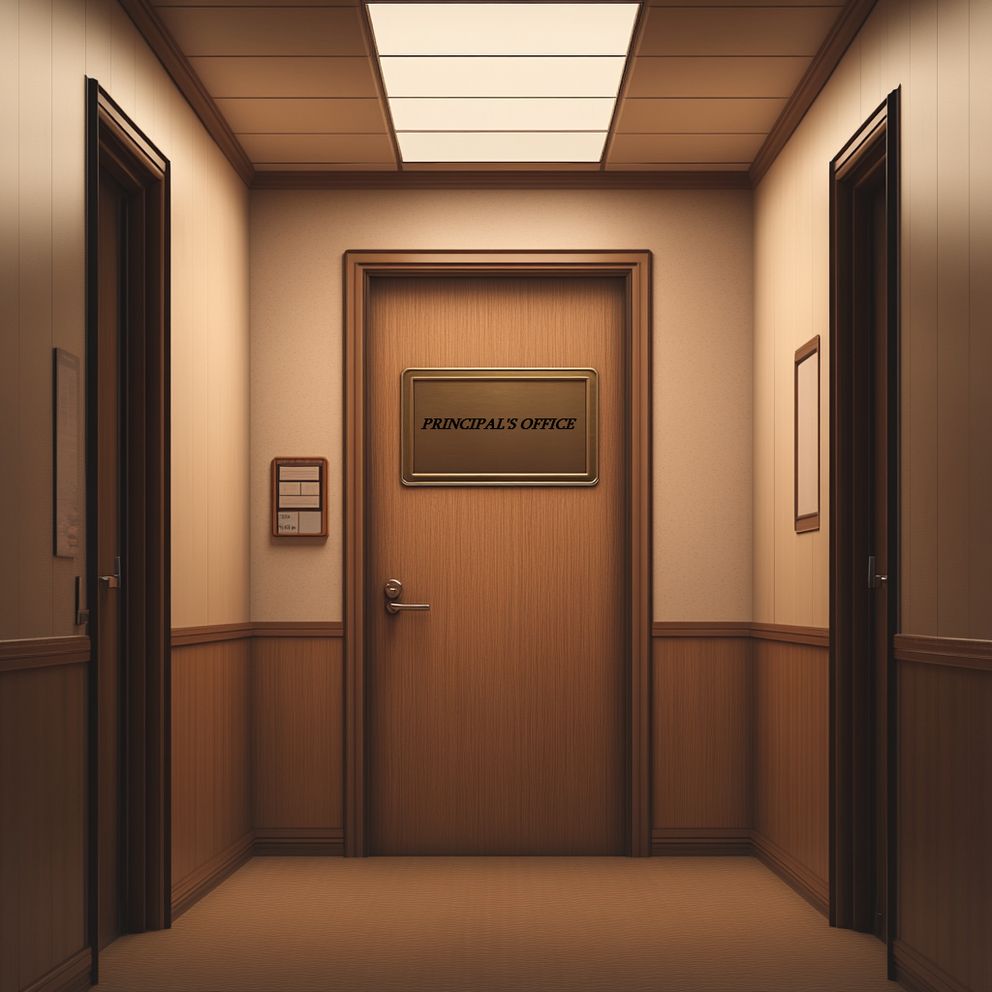
I was in my classroom when the intercom crackled. “Erin, please report to Principal Bennett’s office.”
My stomach dropped. Had someone complained? Had I messed up?
I walked down the hall on shaky legs.
Principal Bennett greeted me warmly. “Erin, were you at Willow & Co. Café last night?”

“Yes,” I admitted.
“And did you stand up for an elderly cleaner?”
“I did,” I said carefully. “I’m sorry if—”
He stopped me. “You’re not in trouble. Someone wanted to thank you.”
The door opened.
The elderly woman from the café walked in — but this time she wore a floral dress and a soft blue cardigan. Her hair was neatly pinned back.
She smiled. “Hello again.”
Principal Bennett gestured to her. “Erin, this is my mother. Ruth.”
I stared in shock.
“She’s retired,” he explained, “but she works at the café part-time.”
Ruth stepped closer. “Now that I see you clearly, I recognize you. I taught you first grade.”

The memory hit me all at once. Dandelions from recess. A gentle voice telling me kindness always matters.
“You were my teacher,” I whispered.
She squeezed my hand. “And you proved yesterday that you learned the lesson.”
Principal Bennett smiled. “When Mom told me what happened, I checked the café’s security footage. When I saw it was you, I knew we were lucky to have you here.”
Ruth added softly, “That’s the kind of person the world needs more of.”
The following Monday, Ruth started working as a classroom aide.
I saw her sitting cross-legged on a reading rug, helping a little girl sound out words, her face glowing with purpose.
That night at the café, I thought I was standing up for a stranger.
I wasn’t.
I was standing up for the woman who taught me how to be brave in the first place.
Later that week, Ruth stopped by my classroom with two cups of coffee.
“Kindness isn’t weakness,” she said. “It’s power.”
I watched her leave and thought about how life comes full circle.
Standing up for someone is never the wrong choice.
Because kindness isn’t just something we do.
It’s something we pass on.
