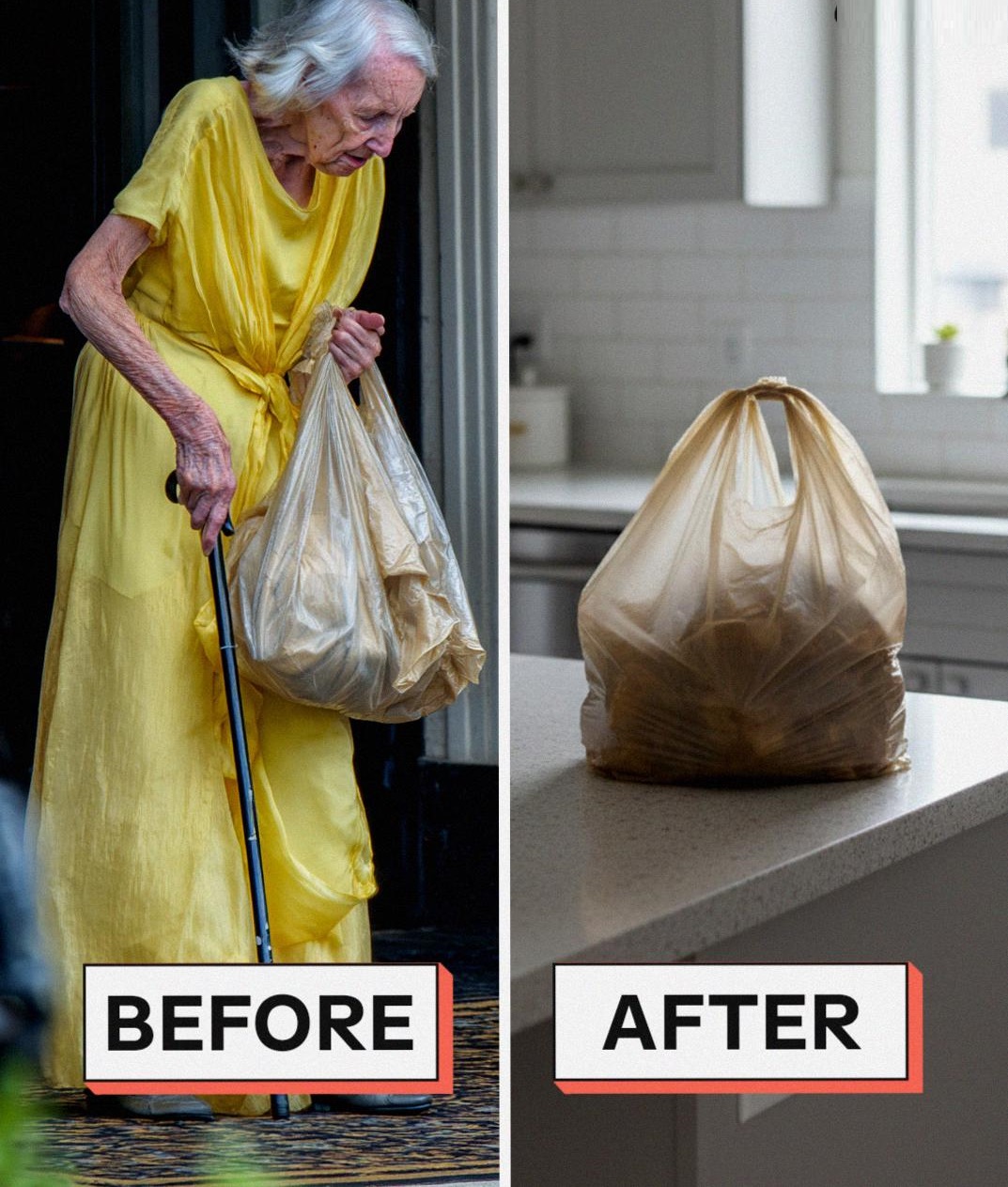
When Rachel throws her grandmother out of her luxury wedding over a simple, odd gift, she thinks she’s just preserving her image. But grief has a way of unraveling the truth, and what she finds inside a dusty bag of walnuts will break her open in ways she never expected.
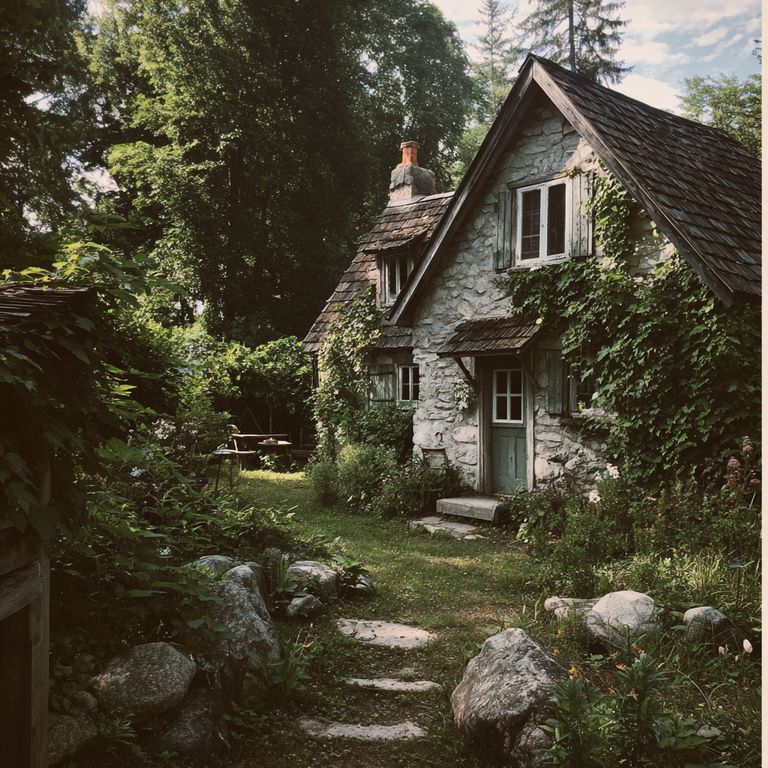
I grew up more in Grandma Jen’s house than I did in my own. My parents, Miranda and John, were always working, trading time for money and money for status. Meanwhile, Grandma’s old cottage sat at the edge of town, with its creaky porch, lavender-scented doilies, and floorboards that groaned under every step.
To me, it felt like safety.
Grandma Jen used to braid my hair before school, humming softly as her fingers worked through the tangles. The braids were always a little loose, never perfect, but somehow they felt like a crown when she was done.
I’d sit on the floor by her rocking chair while she sipped her tea and read the paper aloud to me. She’d never read the tragic stories, only the funny ones. Her laughter always came before the punchline, making me laugh too, even if I didn’t understand why.
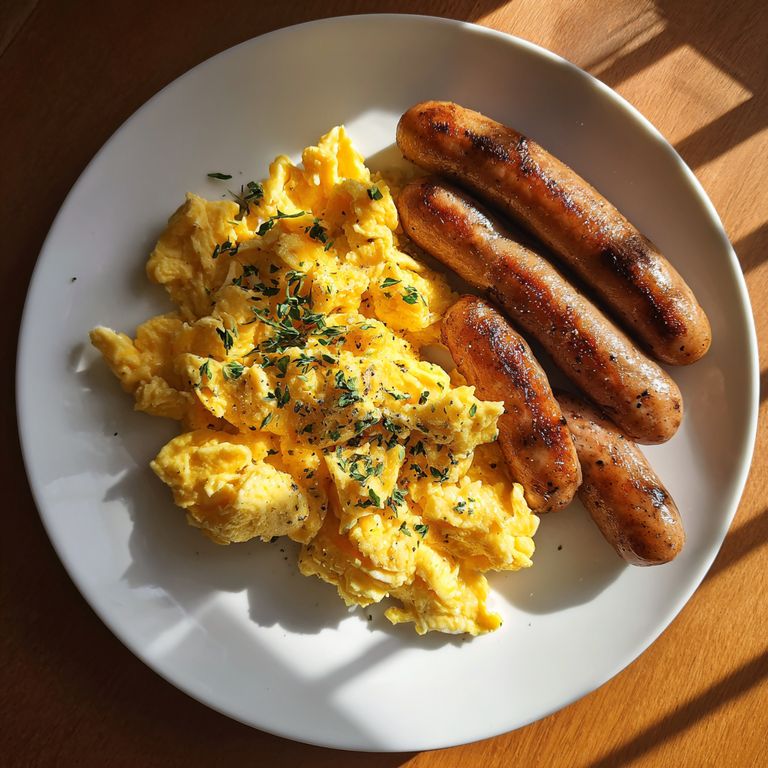
Every evening, she cooked the same meals. Nothing fancy, just comforting food that stuck to your bones—soft potatoes with black pepper, green beans with butter, scrambled eggs and sausages that tasted better than anything from a restaurant.
“These are the meals that stick to your bones, my Rachel,” she’d say.
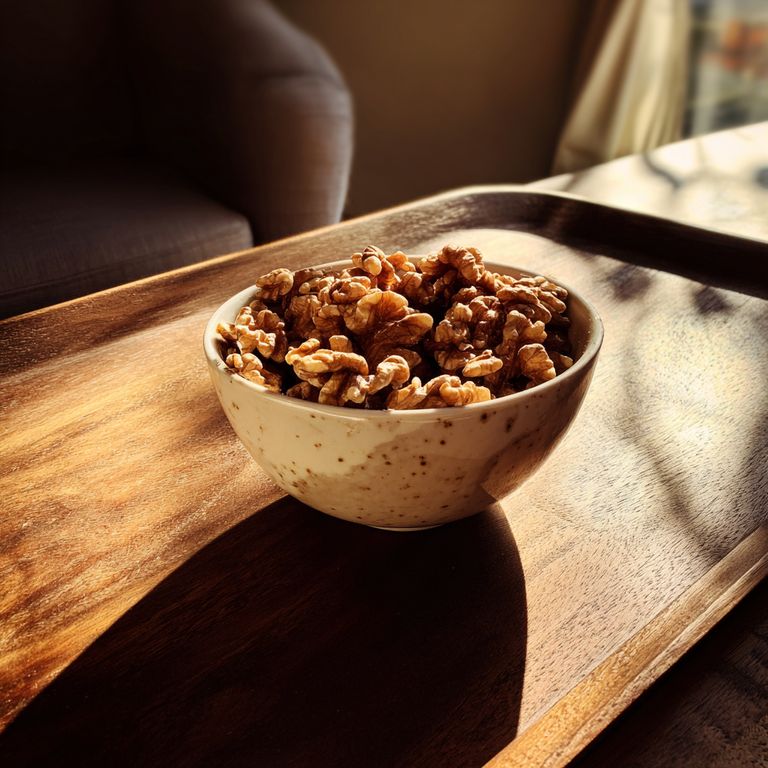
And every night before bed, she’d sit beside me with a small bowl of walnuts, already cracked and cleaned.
“Eat these, sweetheart,” she’d say. “They’ll make your heart stronger.”
“Stronger how?” I once asked.
“In all the ways that matter,” she said, touching her chest. “In the ways they can’t see on a scan.”
I was born with a congenital heart defect. By seven, I’d had multiple surgeries. Hospital rooms were more familiar than my own bedroom, and a pale scar stretched across my chest.
But Grandma Jen never treated me like I was fragile. She made me feel whole.
As I grew older, things changed. My parents’ wealth surrounded me—designer clothes, private schools, trips abroad. Slowly, I stopped craving quiet nights and simple meals. Grandma’s house began to feel old to me. Dusty. Stale.
I visited less. When I did, I scrolled on my phone, half-absent.
“It smells like old people in here,” I muttered once.
“That’s lavender and rosemary,” she said gently. “You used to love it.”
She still called every week. I rarely listened closely.
Every call ended the same way.
“Be kind, sweetheart,” she’d say. “The world’s already too cruel.”
I never said it back.
At twenty-two, I got engaged to Grant. He came from money, dressed like it, lived like it. Our wedding was extravagant—five hundred guests, waterfront venue, designer gowns, a celebrity chef.
Grandma Jen wasn’t on the guest list.
“She raised you,” my mother pleaded. “Please invite her.”
Reluctantly, I did.
On the wedding day, everything shimmered with luxury. Then Grandma arrived.
She wore her old blue dress, neatly pressed but worn. Her shoes didn’t match. In her hands was a faded cloth bag with frayed corners.
“My Rachel,” she said softly. “I brought you something. Please open it soon.”
She handed me the bag.
Inside were walnuts. Dry, cracked, dusty.
“Are you serious?” I asked sharply. “You brought dirty walnuts to my wedding?”

“They’re special,” she said quietly.
“This is embarrassing,” I snapped. “Just go.”
She didn’t argue. She nodded once and walked away.
No one stopped her.
Two days later, she called. I ignored it.
She called again.
“I just wanted to know if you opened my gift,” she said.
“Not yet,” I replied coldly. “Please stop calling about stupid things.”
“I’m sorry to disturb you,” she said softly.
She never called again.
Two months later, my mother phoned.
“Rachel,” she said. “Grandma Jen… her heart gave out.”

At the funeral, the scent of lavender filled the air. I shook uncontrollably as memories crashed over me. I collapsed, crying harder than I ever had.
That night, I drove, desperate to escape the guilt.
I never made it home.
The crash was sudden. Then darkness.
I woke in the hospital two days later. Grant sat beside me.
“The walnuts,” I whispered. “Please.”
He brought me the bag.
I cracked one open.
Inside was a small folded note.
“Be kind, Rachel. The world can be cruel, but don’t let it change you.”
Another walnut held a twenty-dollar bill.
“Save for your future.”
Each walnut held love, advice, savings she’d quietly tucked away for me over years.
The final note read:
“We all make mistakes, my sweet girl. You deserve forgiveness. It’s never too late to choose love.”
I pressed it to my chest.
“I’m sorry, Grandma,” I whispered.
When I left the hospital, I went to the beach. I cracked one last walnut and ate it, crying into the sea.
A few mornings later, I stood in my kitchen before sunrise and cooked potatoes, eggs, and sausages—just like she used to.
Grant watched quietly.
“She was everything to me once,” I said. “I forgot.”
“But you remember now,” he said gently.
We ate together in silence. No decorations. No performance. Just love and regret and healing.
And for the first time in a long while, I let myself grieve—and be loved—at the same time.
