When my sons came home telling me their stepmom wanted them to call her “Mom,” I smiled through the sting. But behind that smile, I was already planning a lesson she wouldn’t forget.
When you divorce someone, you expect some pain. But what you don’t expect is for that pain to crawl back years later and twist the knife through the voices of your children. Let me tell you what happened.
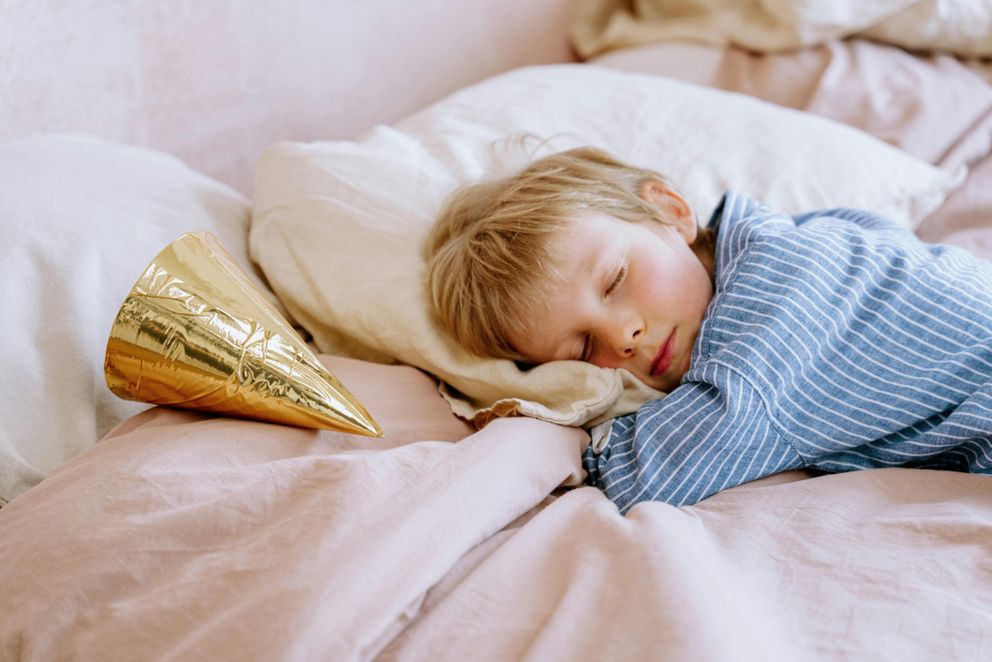
It was a calm Tuesday night, one of those rare evenings when both my boys had bathed without protest and settled into bed like angels. Eli, my three-year-old, was already half asleep, his curls plastered to his forehead with drool on his Spider-Man pillow.
Noah, who had just turned five, was still wide awake, blinking up at me while I tucked in his sheets.
He looked thoughtful, his small brow furrowed. Then he asked, “Mom, am I allowed to have two moms now?”
I froze. My hand stopped midair as I reached for his night-light.
“What do you mean, sweetheart?”
He shrugged, totally innocent. “Daddy’s new wife said we should start calling her ‘Mom.’ She said she’s my real mom too.”
The silence that followed was deafening. My heart cracked so sharply it felt physical. I swallowed hard, forcing a gentle smile as I bent down and kissed his forehead.
“No, baby,” I said softly. “You only have one mom. Me. Always.”

He nodded like it made sense, rolled over, and pulled his blanket up to his chin.
But I couldn’t sleep that night. I lay there staring at the ceiling as those words echoed in my head. “Real mom too.” Over and over again.
My ex-husband, Mark, and I divorced two years ago. We met in college, survived the broke years, bought a fixer-upper, and built what I thought was a life. Somewhere between diapers, bills, and exhaustion, we stopped being a team.
The love drained out quietly. We tried therapy. Date nights. Nothing stuck.
He met Lori six months after we split. I wasn’t surprised. She was exactly his type—bleached blond hair, orange-tinted skin, acrylic nails sharp enough to cut glass, and a permanent smile that never reached her eyes.
I met her during a custody exchange. She leaned over and chirped, “It’s so great to finally meet the boys’ mother!”
That word rang like a warning siren.
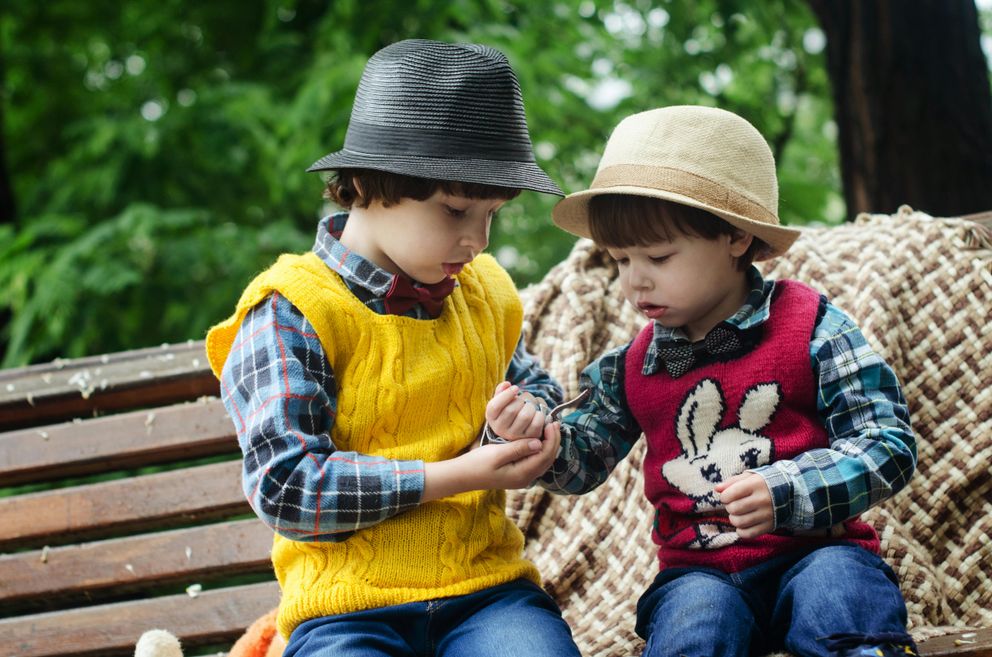
Since then, she’d tried to rebrand my children as hers. Filtered selfies captioned “My beautiful sons.” Birthday cards signed “Love, Mom and Dad.” Introducing them as “our boys.”
I tried to take the high road. I bit my tongue until it felt numb. But this? This crossed a line.
That night, I called Mark.
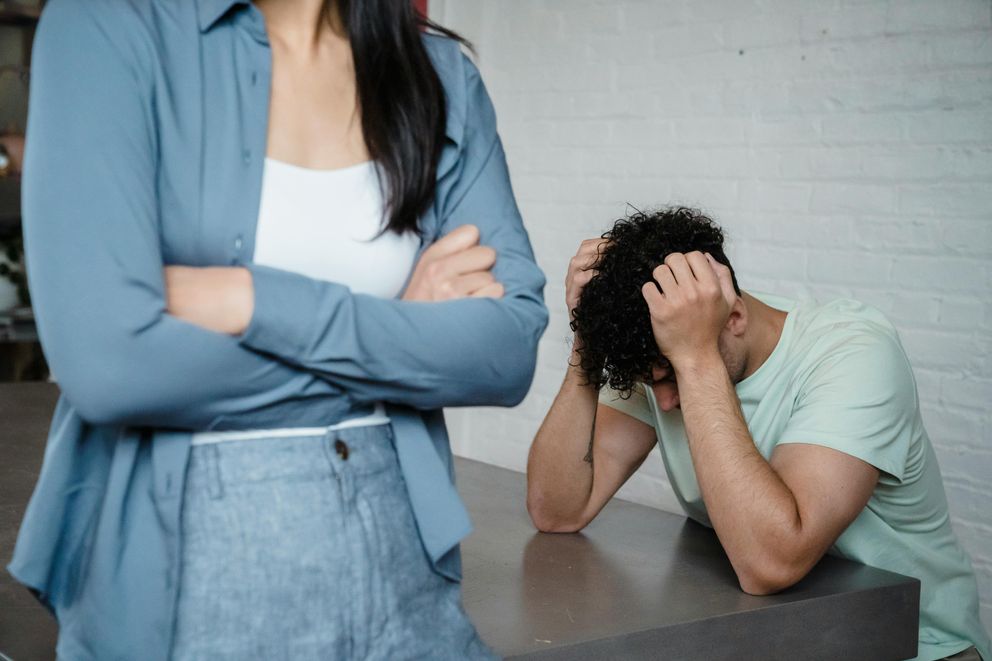
“Your wife told our kids to call her ‘Mom.’”
He groaned. “Jess, you’re overreacting. She just wants to bond.”
“Bond by replacing me?”
He sighed. “Don’t make this a thing. Be mature.”
That word—mature—was the same one he’d used when he left.
I ended the call.
That night, something inside me solidified. If Lori wanted to be “Mom,” fine. I’d show her exactly what that meant.
By Friday, I gathered everything that defined motherhood. Mountains of laundry. Half-finished crafts. Permission slips. Snack notes. A reminder from Eli’s teacher about “inconsistent snack choices.”
And then there was the preschool play. Homemade costumes due Monday. Noah was a ladybug. Eli was a musical note. “Do.”
Perfect.
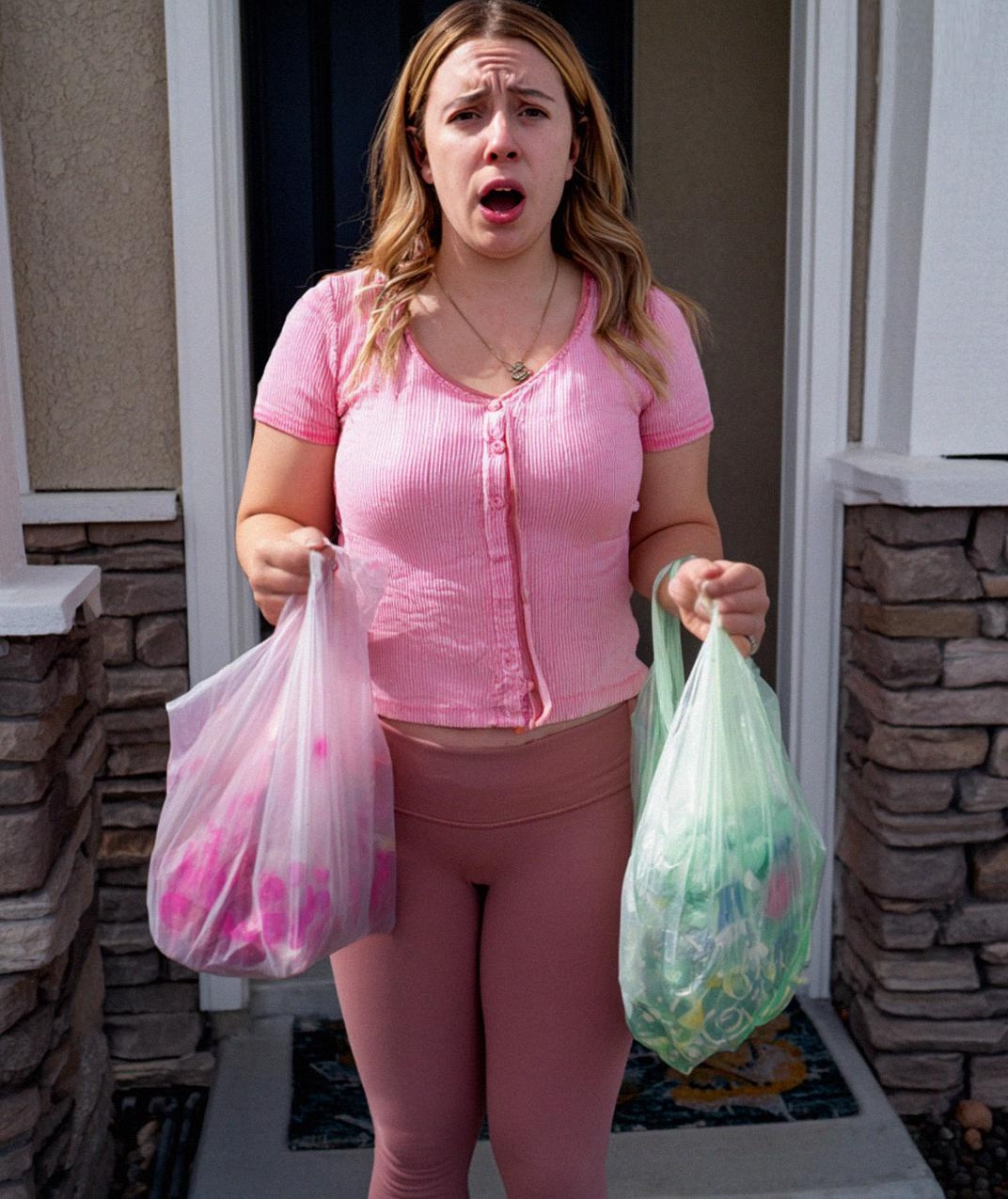
Saturday morning, I loaded the boys and the bags into my car and drove to Mark’s pristine townhouse. Lori opened the door in full makeup, wearing a pink velour tracksuit that probably cost more than my rent.
“Mommy’s so happy to see you!” she squealed.
I handed her the first bag. “If you’re going to call yourself their mom, you should start with the laundry. I usually do it Saturdays.”
Her smile flickered.
I handed her the second bag. “Here’s the schedule. Dentist at two. Eli needs help with his costume. He’s a musical note. ‘Do.’”
She stared at me.
“You wanted to be Mom,” I said sweetly. “This is what Mom does.”
I kissed my boys and drove away.
Sunday night, Mark brought them back. Same clothes. Laundry untouched. No Lori.
“Did she manage the mom duties?” I asked.
“She was overwhelmed,” he said. “She said you set her up to fail.”
“No,” I replied. “I set her up to learn.”
A few days later, the preschool called. Lori had volunteered—unannounced—and brought cookies labeled “From Mom.”
That Friday, I came armed with Phase Two.
I cheerfully signed her up for the bake sale. Three dozen cupcakes. Gluten-free. Nut-free. Homemade.
I reminded her about picture day. Haircuts. Snack preferences. The green dinosaur shirt.
Her eyes were glassy.
“Welcome to motherhood,” I said.
By Monday morning, Mark was furious.
“She’s been crying all weekend!”
“She told our kids to call her Mom,” I replied calmly. “I’m not the villain.”
A week later, a friend told me Lori broke down at a dinner party. Mark told her, publicly, that she was not their mother and never would be.
“A real family doesn’t start by disrespecting the one that already exists,” he said.
The next weekend, Lori opened the door without makeup, eyes red.
“They’ve been calling me Miss Lori,” she said quietly.
“That’s appropriate.”
“I didn’t know what I was asking for,” she whispered.
“Being Mom isn’t a title,” I said. “It’s a job.”
Noah ran up behind me. “Bye, Mom! Love you!”
When I looked up, Lori was blinking back tears.
“They’re lucky to have you,” she said.
This time, she meant it.
Weeks passed. Things settled. She stopped competing. Mark apologized, awkwardly. I accepted it—for the boys.
Because motherhood isn’t about a name. It’s about the invisible work. The unpaid labor. The love that doesn’t ask for credit.
That night, I tucked my sons into bed and whispered the same words I always had:
“Mom’s right here. Always.”
