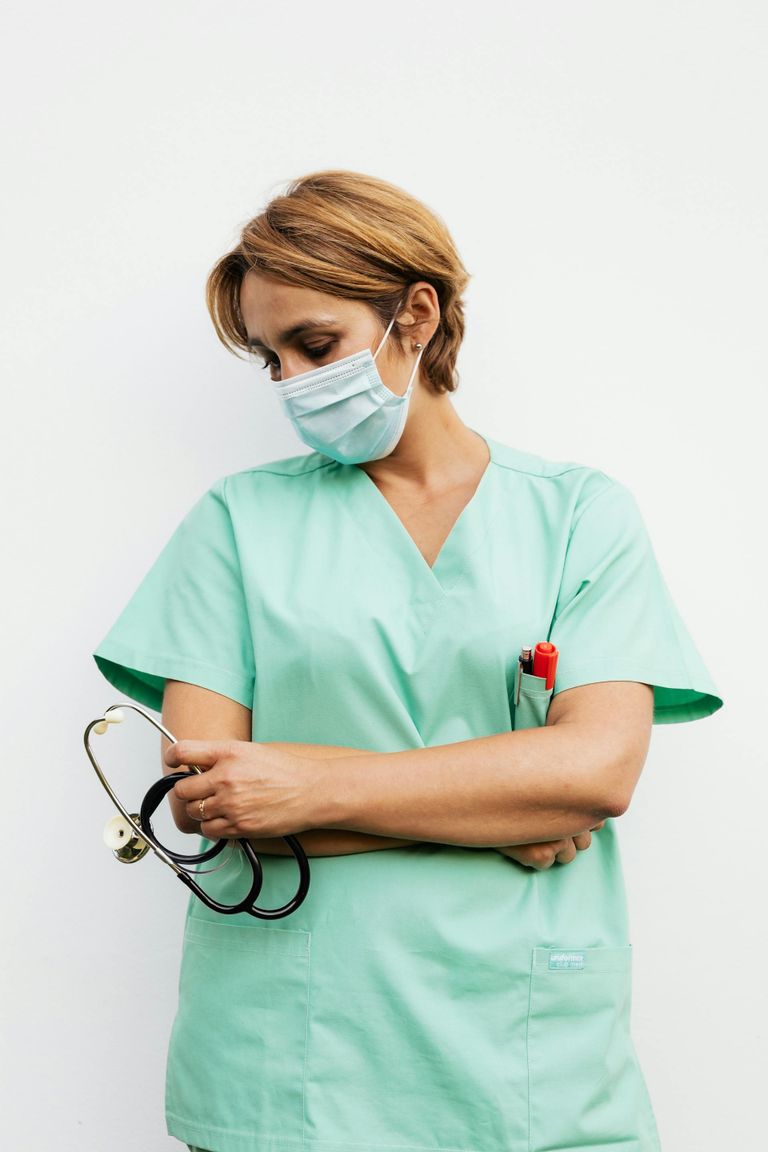
After my husband died, I got used to handling everything alone — until one lunch break at the hospital reminded me that I wasn’t as invisible as I thought.
My name is Sophia. I’m 45, and for the past 12 years, I’ve worked as a nurse in a large city hospital in Pennsylvania. It’s not a glamorous job, and some days it’s barely manageable, but it’s the work I chose and, most of the time, it feels like what I was meant to do.
What I never expected was to become a widow at 42.
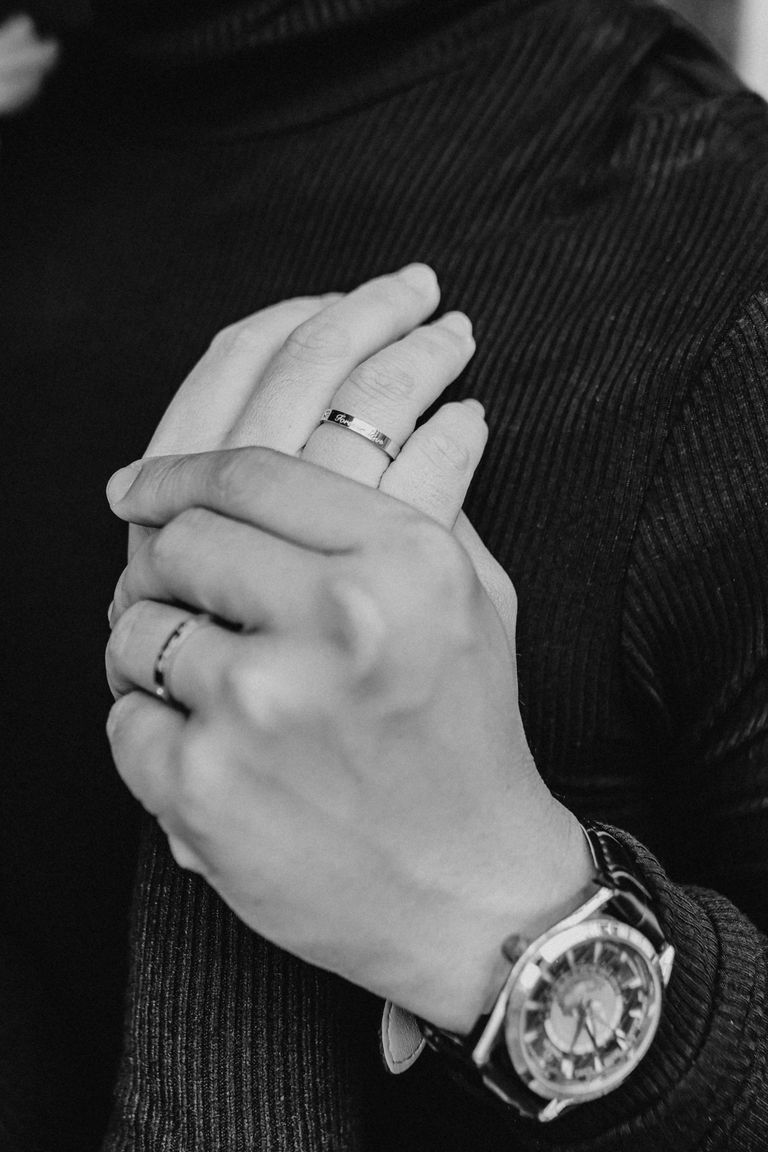
My husband, Mark, died three years ago from a heart attack. There were no warning signs, no symptoms, nothing. He had been upstairs brushing his teeth, humming softly to himself, and in the next moment, he was gone. He was only 48. We had been married for 19 years.
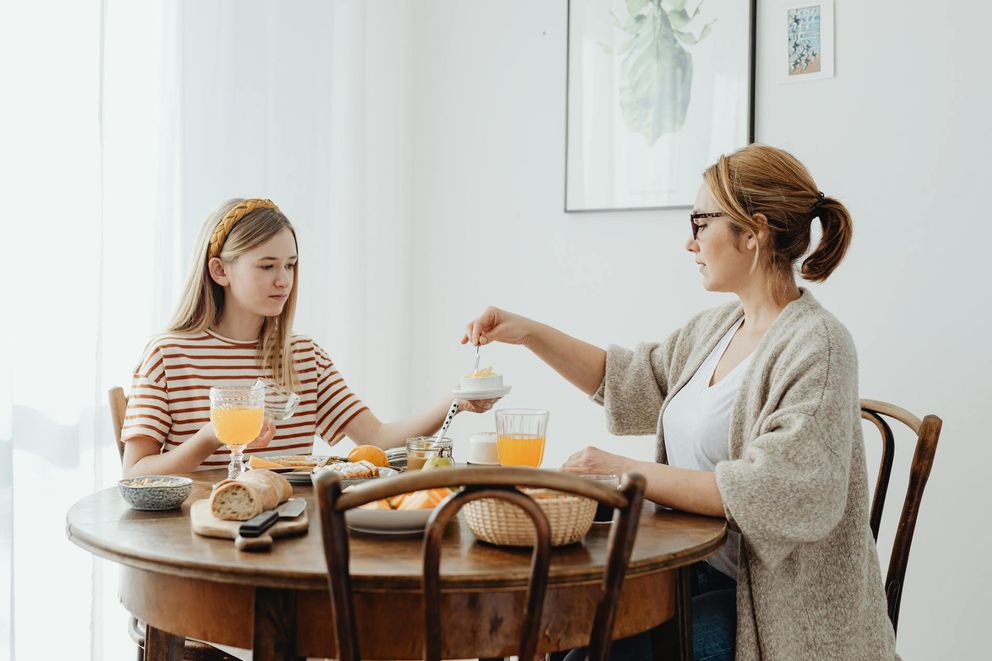
Since then, it’s just been me and Alice, our daughter, who is 15 now. She has her dad’s dry wit and my stubbornness. She still slips little notes into my lunch bag, just like she did when she was younger. Last week, she drew a tiny cartoon of a tired nurse holding a giant coffee cup with the words “Hang in there, Mom.”
We live in a modest two-bedroom apartment close to the hospital. I work double shifts more often than I should, just to keep things steady and make sure Alice has what she needs.
That Friday started like most others: chaotic and loud. The ER was short-staffed again. Two nurses had called out, and I spent six straight hours on my feet — charting vitals, checking IVs, holding hands, calling families, dealing with impatient doctors.
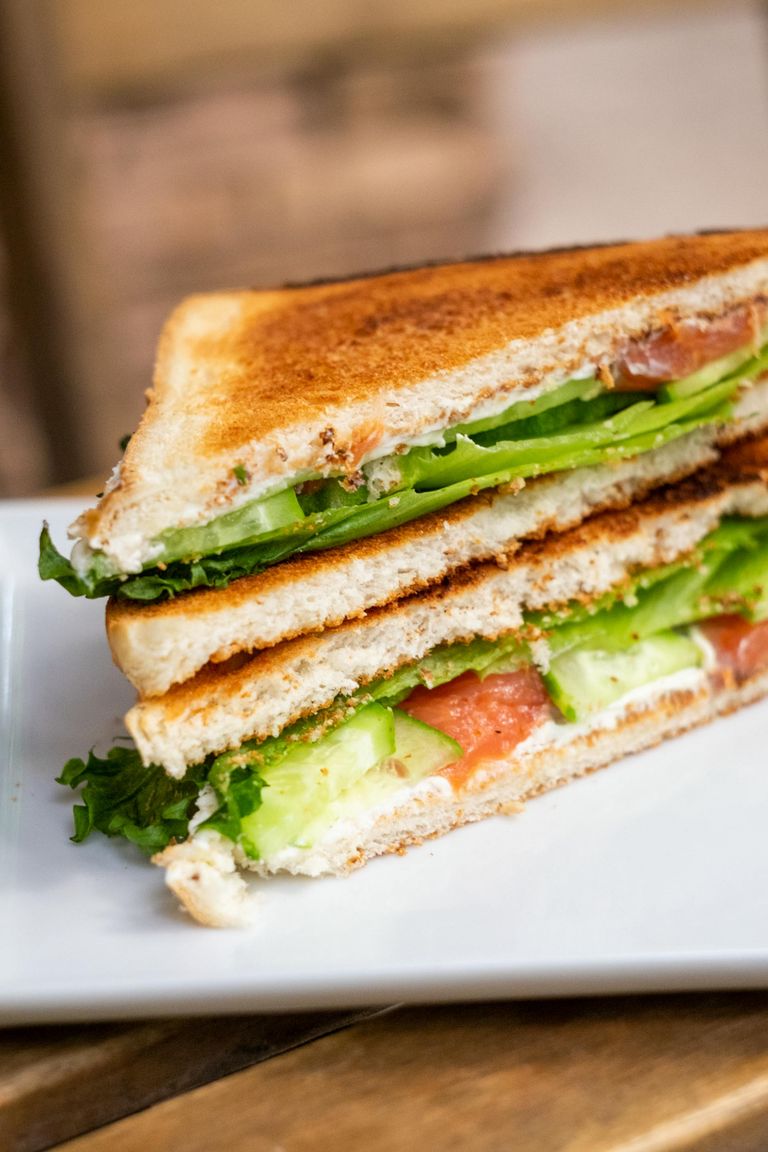
By the time I reached the cafeteria, it was past 2 p.m. I was exhausted. I sat down, pulled out the sandwich Alice had packed, and finally let myself breathe.
Then it happened.
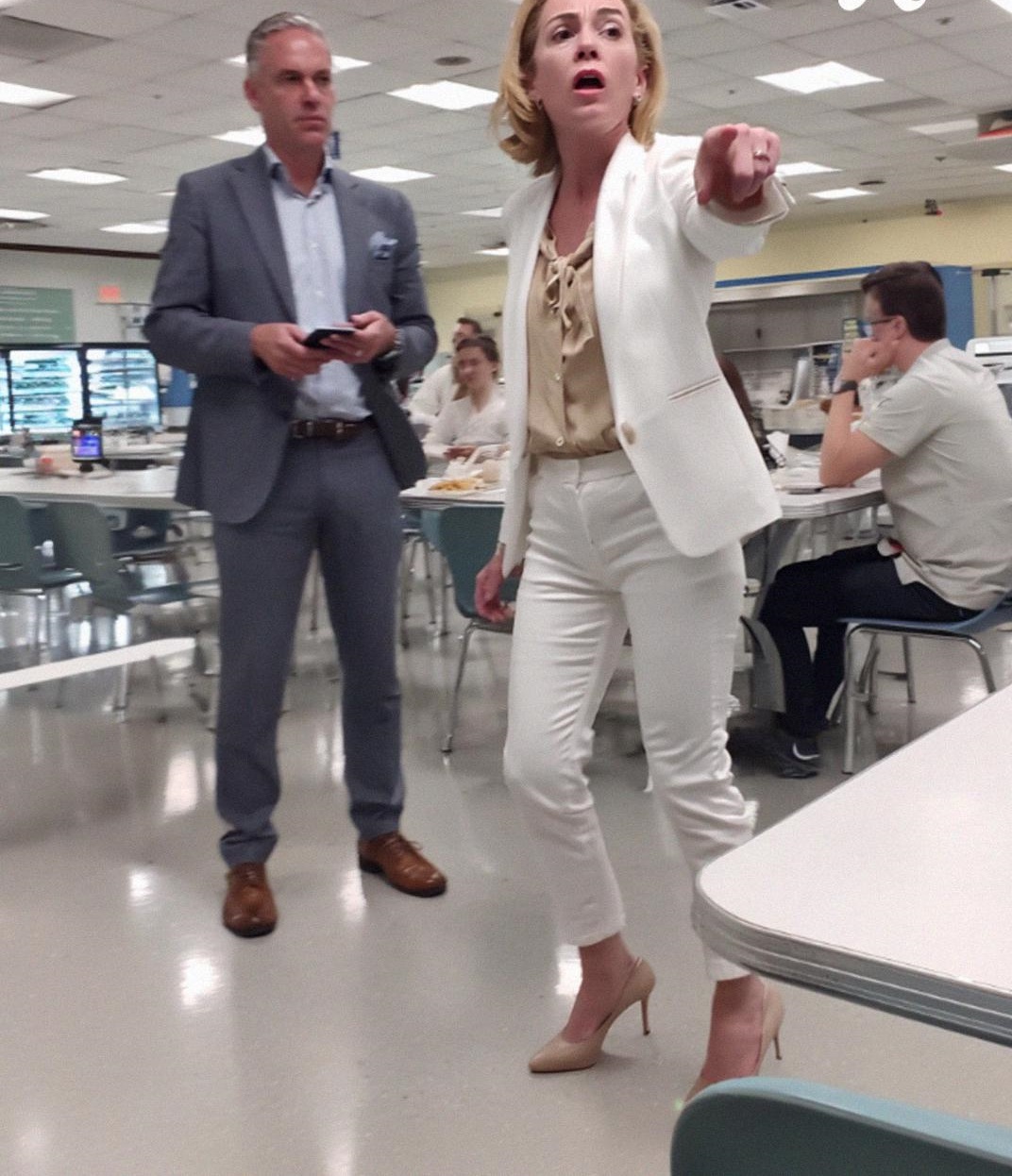
“Excuse me, is anyone actually working around here?”
A tall woman in an all-white blazer stormed into the cafeteria, heels clicking sharply. Behind her trailed a man in a dark suit, eyes glued to his phone.
The woman’s eyes locked on me.
“You work here, right? We’ve been waiting 20 minutes in that hallway, and no one’s come to help. Maybe if you people stopped stuffing your faces—”
The whole cafeteria went silent.
I stood up. “I’m sorry, ma’am. I’m on my break, but I’ll find someone to help you.”
She scoffed. “You’re all the same. Lazy and rude.”
Her husband added, without looking up, “She’s probably just doing this until she finds a husband.”
My stomach twisted.
Before I could respond, someone else did.
Dr. Richard — the chief of medicine. Respected. Calm. Firm. He walked toward us with quiet authority.
The woman practically beamed at him. “Finally! Maybe you can tell your lazy nurse to stop sitting around and do her job.”
Dr. Richard looked at them, then at me, then back at them.
“I did hear what’s going on,” he said. “And you’re right — it is outrageous.”
She smiled smugly.
“Outrageous,” he continued, “that you think you can walk into my hospital and speak to my staff that way.”
Her smile disappeared.
“This nurse has worked here 12 years. She’s stayed during snowstorms, covered shifts, sat with dying patients through the night. She is on her break — a break she has earned. Disrespecting her is something I will not tolerate. You owe her respect. And an apology.”
The cafeteria was silent.
The couple stood frozen before the husband muttered, “Let’s go.” They left quickly.
Dr. Richard turned to me, eyes softening. “Finish your lunch. You’ve earned it.”

I sat down, shaky but grateful, and finished my sandwich.
Later, Jenna — a new nurse — told me she wished she had spoken up. Marcus from cardiology raised his coffee cup in silent support.
Moments like that remind me why I stay in this job. Someone has to care. Someone has to show up.
That evening, when I got home, I told Alice what happened. Her eyes widened when I told her how Dr. Richard defended me.
“I’m proud of you,” she said, hugging me.
Her napkin doodle — the little heart on it — had been with me all day. And I told her, “You really did bring me luck.”
The next morning, I packed my lunch and tucked her napkin back inside.

“Don’t forget to eat, Mommy,” she said.
“I won’t,” I promised.
Sometimes all it takes is one kind word, one person who stands up, and one little heart drawn on a napkin.
