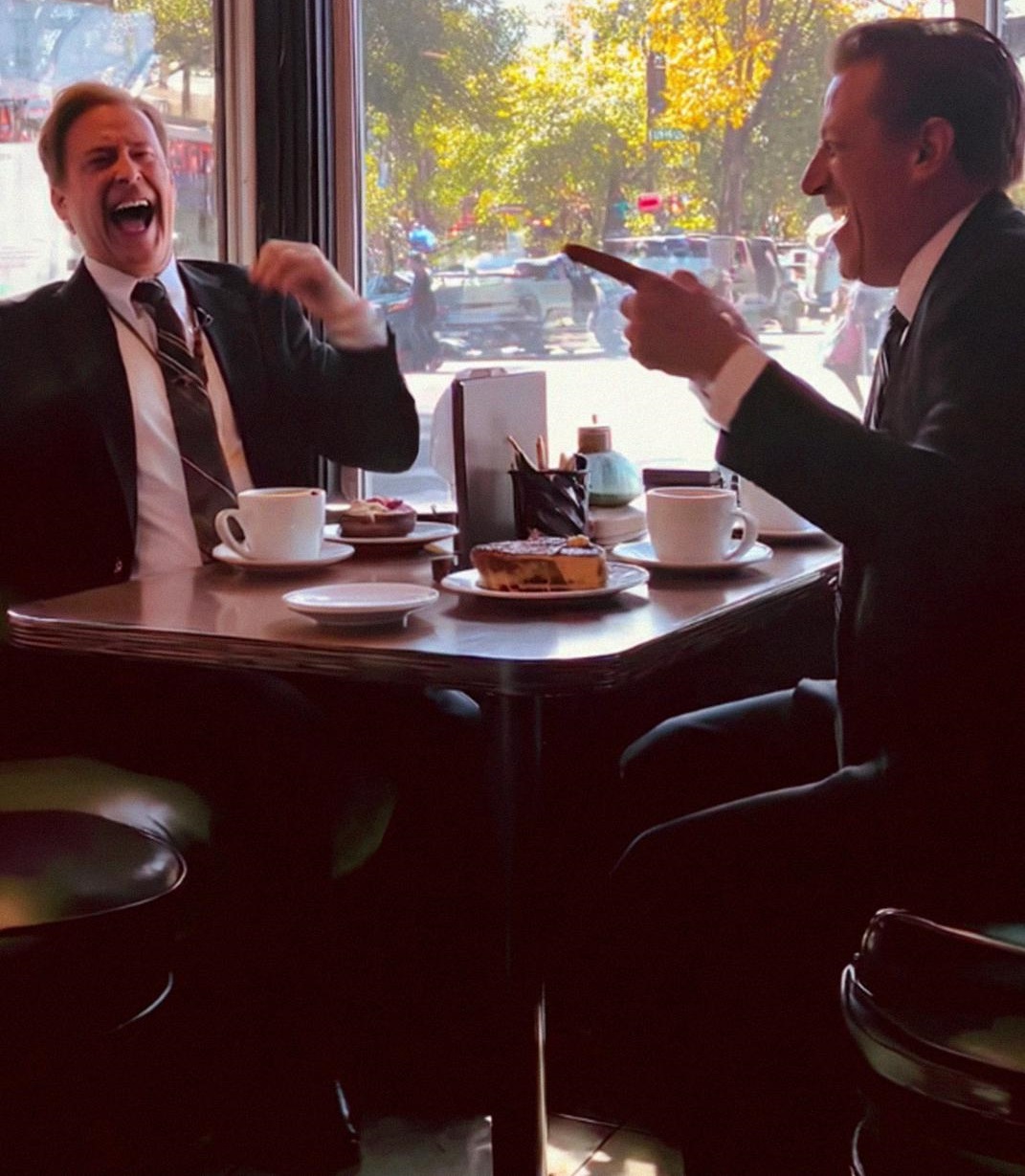
I never expected that a regular Friday night shift would change everything. Two arrogant men in expensive suits decided I was beneath them, mocking my age and refusing to pay their bill. But they didn’t know someone was watching. What happened next was something no one saw coming.
I’m 40 years old, and I’m a single mom to two amazing kids. Ella is 13, all sarcasm and smarts, growing up way too fast because she sees how hard I work. Max is 8, pure energy and sweetness, still young enough to believe his mom can fix anything.
Their dad walked out five years ago after deciding he was “too young to feel trapped.” That’s what he actually said to me. A mortgage and two kids under ten felt like a prison sentence to him. So, he left, and I’ve been holding everything together since then.

The bills, the school projects, the midnight fevers when Max gets sick, and the broken washing machine that flooded the basement last winter — all of it lands on me.
I used to have a decent job in HR at a mid-sized company downtown. I worked there for 15 years before the company restructured — corporate speak for replacing you with someone half your age who’ll work for half the salary. Just like that, 15 years of loyalty meant nothing.
Eight months later, here I am. I’m still wearing the same pair of nonslip shoes that squeak every time I walk past the counter at Miller’s Diner. I pull double shifts most weeks, smile through bone-deep exhaustion, and serve coffee to people who call me “sweetheart” like it’s some kind of insult.
Last Friday night started like any other shift. The dinner rush had died down, and I was refilling saltshakers when two men in expensive suits walked in. From the second I handed them menus, I could feel it — that look that says they don’t see you as a person, just some background character in their important lives.
The younger one smirked.
“Guess this place is hiring moms now, huh? What happened? The PTA bake sale didn’t pay enough?”
His friend laughed.

“She probably just wanted an excuse to get away from the kids for a few hours.”
My face went hot, but I kept my smile.
“Can I get you started with something to drink?”
“Two coffees,” the first one said, waving his hand. “Black, just like your job prospects.”
They cracked up again.
“And two desserts,” the other added. “Make sure they’re fresh this time. We wouldn’t want your sad energy ruining the flavor.”
My knuckles went white around my notepad, but I nodded and walked back to the kitchen. Linda, the manager, looked up from the grill.
“You okay, hon?”
“Fine,” I lied.
I brought their coffee and two fresh slices of chocolate cake. They devoured them without thanks, laughing and whispering insults about me that they clearly wanted me to hear — “divorcee,” “charity case,” “probably never went to college.”
When I came back with the check, the older one pushed it away.
“We’re not paying for this.”

“Excuse me?”
“The coffee tastes like dirt,” the other said. “And the cake’s dry. We shouldn’t have to pay for trash.”
My throat tightened. I just stood there, holding the tray, tears burning behind my eyes.
Then their laughter stopped suddenly. They weren’t looking at me — they were staring at something behind me.
I turned.
A man stood there. Broad-shouldered, wearing a faded army jacket, hair silver at the temples. Calm, but with a presence that filled the diner.
“Is there a problem here, gentlemen?” he asked.
The older man started to argue, but the veteran cut him off.
“You think you have the right to mock a woman working two jobs to feed her kids? You think you have the right to steal from a small business because you feel like it?”
“We’re not stealing—” the younger one tried.
“Stop talking.”

He stepped forward. They stepped back.
“I’ve been sitting here for 30 minutes listening to you insult this woman. Every word.”
He paused.
“You know what I see when I look at you two? Cowards. Men who’ve never worked an honest day in their lives.”
The entire diner went silent.
“Pay your bill,” he said.
Hands shaking, the older man pulled out several bills — then added more.
“That’s for the meal and the tip. Keep the change.”
“Now apologize.”

They did. Quickly. And then they practically ran out the door.
I turned to the veteran.
“Thank you,” I whispered.
He shrugged.
“Just doing what’s right.”
I learned his name later — Tom. A retired veteran who lived alone in a small apartment nearby. He started coming to the diner more often after that. Always polite. Always kind. Always sitting in the same booth.
Over time, we talked more. About small things. About big things. About life.
One night, he waited by the door after closing.

“Thought I’d walk you to your car,” he said simply. “It’s late.”
No pressure. No expectations. Just respect.
Slowly, something grew between us — something steady and peaceful. Something I hadn’t felt in years.
He started taking me and the kids out for ice cream. Max called him “sir.” Ella pretended not to like him, but she smiled when he complimented her.
Those entitled men thought they could make me feel small. Instead, they brought Tom into my life — and that changed everything.
