
At 68, Margie works the grocery store register with quiet strength and tired hands. But when a wealthy customer hurls cruel insults in front of a silent crowd, Margie braces for more humiliation, until an unexpected voice rises from the line, changing everything in a way she never saw coming.
People say you get used to life’s punches, that you build calluses, learn to weather the storms, and still come out on the other side.
Maybe that’s true when you’re young and still made of rubber and hope. But at 68, it’s less about bouncing back and more about holding steady. Some days, it’s less about hope and more about holding your breath until it passes.
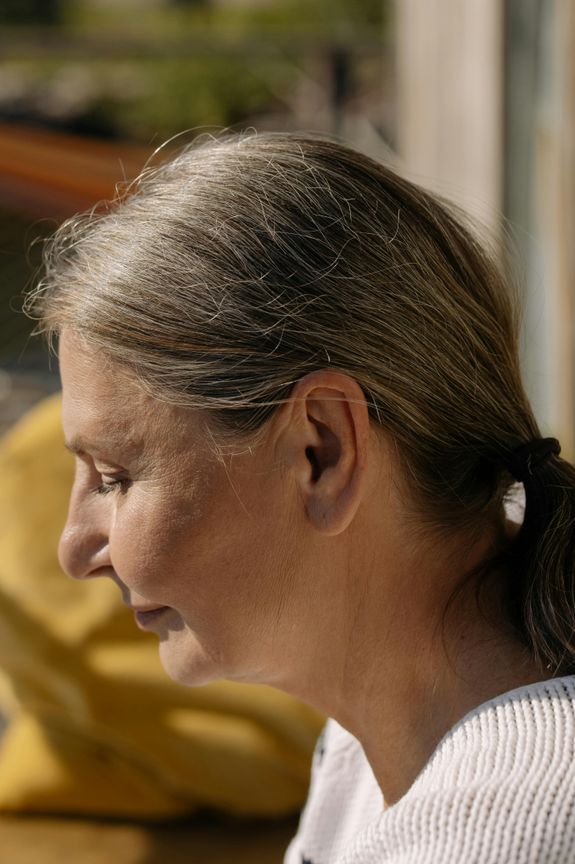
My name’s Margaret, though most people just call me Margie. I’m a cashier at a small grocery store nestled between a dusty bookstore and a laundromat with more broken dryers than working ones.
It’s the kind of place where the air smells like dish soap and bananas, and where the fluorescent lights buzz just a little too loud.
It’s not exactly a glamorous job, but it pays the gas bill, and it keeps the fridge stocked for my daughter, Melanie, and her three kids. Her husband, my son-in-law, Leo, died two years ago. It was a freak accident and a phone call that we’ll never forget.
Melanie does everything she can to keep her little family stitched together. She works from home, balancing clients and casseroles, and I do my part by keeping the register warm and flowing.
I take the early shifts, the late ones, the back-to-backs that would floor someone half my age. Most mornings, I’m up before dawn, slipping sandwiches into paper bags, brushing hair off sleepy foreheads, and catching the bus with people too tired to make conversation.
I don’t complain. I don’t cry about it. But some days… some days, people remind you just how invisible you’ve become.
And one woman in a red coat? She reminded me louder than most.

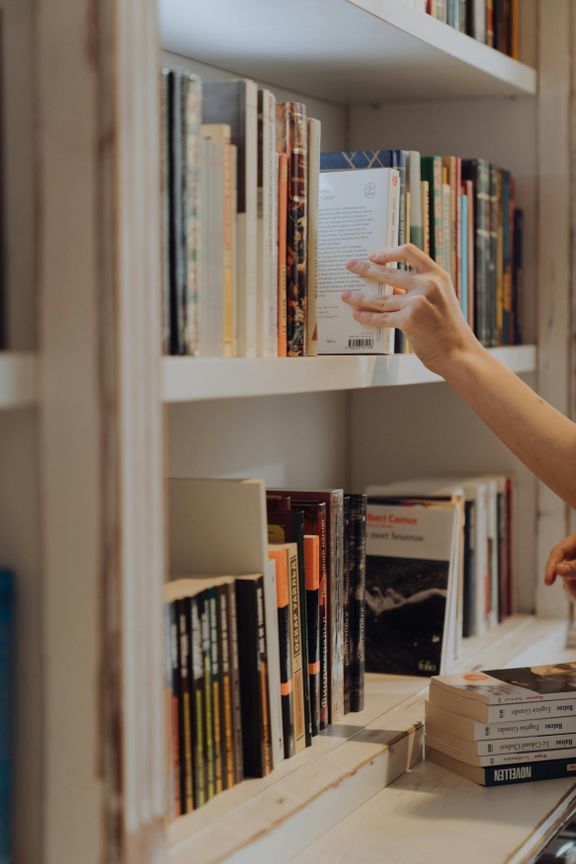
I used to be a librarian — 30 years with the same branch. I loved every moment of it: the smell of old books, the way the light fell across the reading chairs in the afternoon, and the way people lit up when new books by their favorite authors came in.
I shelved poetry collections and held story time for toddlers with sticky fingers and wide eyes. I helped teenagers find articles for their homework, and watched old men read the newspapers from front to back like it was the Bible.
I loved that job more than I can say.
But the funding dried up, and one spring morning, the city decided that Google could do it better. I packed up the last of the bookmarks, turned off the lamp at my desk, and walked out with a box full of desk plants and old bookmarks. That afternoon, I put on a name tag that said “Margie” instead of “Mrs. Harris,” and I never saw that library again.
“You miss it, huh?” Melanie asked me once, when we were folding laundry at the kitchen table.
“Every day, honey,” I said. “But that job doesn’t exist anymore. And we’ve got mouths to feed.”
“You shouldn’t have to carry so much,” she whispered.
“Well,” I said, managing a smile. “Neither should you, Mel.”
I don’t mind most days at the store, and the regulars make it easier. Mr. Collins wears a bowtie and buys the same loaf of rye every Tuesday. Ana, a college student who always smells like eucalyptus, tells me about her classes and thanks me like she means it.
People like that remind me I’m still useful. That I still matter.
But last Saturday? That was something else.
It was just after 5:30 p.m., edging toward closing time. The store was quiet, just a few people wandering the aisles, the kind of hush that settles when the day is nearly done. I had just rung up a sweet couple buying four cans of cat food, a lavender candle, and a cherry pie.
We laughed about how the cats ran the house.
And then she walked in.
She looked like money. Like the world moved out of her way. She wore a red designer coat, earrings that sparkled, and sharp nails gripping two eco-bags she tossed onto the counter without even looking at me.
“Unbelievable,” she muttered. “You don’t even have imported truffles? Or Sicilian oranges? What kind of grocery store is this?”
I gave her the same smile I gave everyone — soft, practiced, and worn-in like an old cardigan.
“I’m sorry, ma’am. We only carry a few imported products, but we have a lot of local produce. And the freshest produce at that.”
She laughed, but not kindly.
“Oh, please. I didn’t realize I’d wandered into a farmer’s market for peasants. Although, looking at you, I probably should’ve guessed.”
The air around us went still.

I said nothing. There didn’t seem to be space for words. I turned back to the register and began scanning her groceries.
My hands trembled slightly — they always do when the arthritis flares up or when I’ve been standing too long. She noticed.
“Oh my goodness,” she snapped. “Could you be a little more careful with my groceries? Do they just hire anyone these days? Honestly, it’s time to retire, Grandma. If your hands can’t stop shaking, what are you even doing here?”
I felt heat rush to my cheeks. My throat tightened. There was a flicker of something in her voice — not just impatience, but delight.
I kept scanning.
“That bottle probably costs more than your entire paycheck,” she said. “Try not to drop it. I get that poor people don’t handle expensive things often.”
For a moment, I couldn’t breathe. The humiliation sat like a brick in my chest.
No one said anything.
I reached for the receipt.
And that’s when a quiet voice cut through the stillness.
“Mom,” the boy said, calm and clear. “Thank you for teaching me to be kind. I’d never talk like that to someone working so hard. People who treat others badly must be really lonely inside.”
The words hung in the air.

The woman in red stiffened. She turned toward the boy, stunned. He stood tall in his too-big green jacket, holding a box of cereal, unafraid.
The room softened. Someone murmured approval. Even the teenager in line nodded.
The woman’s card didn’t go through at first. She muttered something, grabbed her bags, stumbled slightly on the mat, and walked out without another word.
When she was gone, it felt like the entire store exhaled.
The boy’s mother stepped forward.
“You did nothing wrong,” she said. “I’m Sara, and this is my son, Nathan.”
I nodded, managing a small, shaky smile.
That night at home, I told Melanie everything.
“Sometimes kindness finds a voice,” I said, “even when you can’t speak for yourself.”
The next afternoon, Nathan and Sara came back. Nathan handed me a small paper bag.
Inside was a cherry red travel mug with a sticker that read: You Matter.
I cried later, alone, holding that mug.
Later still, my boss sent me home early. That evening, I cooked dinner for my family — real food, warm and filling. When we sat together, I told Melanie how much I saw her, how much she mattered.
She squeezed my hand.
And for the first time that week, I felt full — not just from food, but from being seen.
People think kindness is soft.
It isn’t.
Kindness is strength dressed in patience. It stands its ground when everyone else stays silent.
And sometimes, it walks into your life wearing a too-big green jacket and holding a box of cereal.
I didn’t put the woman in red in her place.
But Nathan did.
And that made all the difference.
