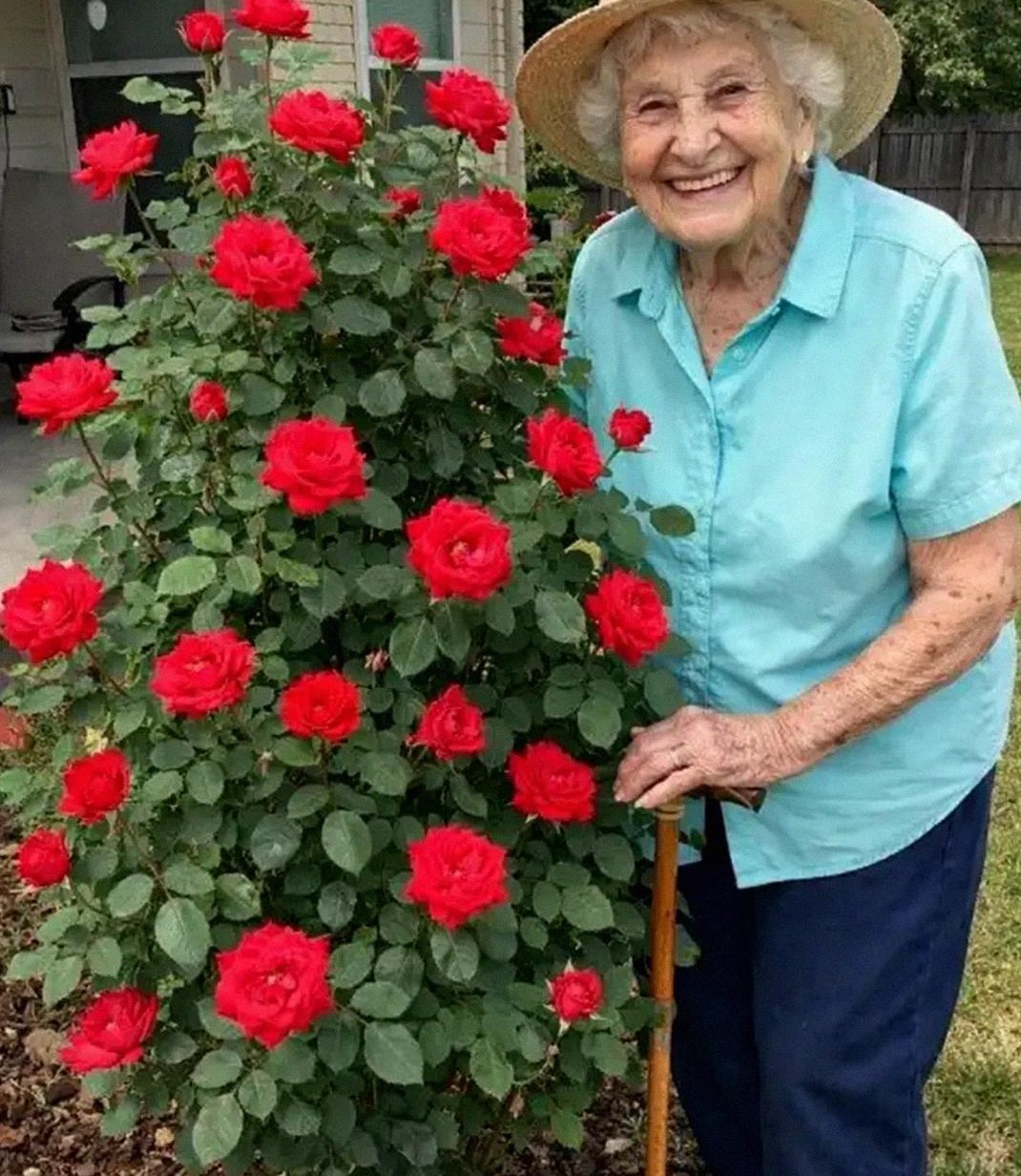
A year after Grandma passed, I kept my promise and dug up her favorite rosebush. I expected roots and dirt, maybe a few old memories. What I found instead revealed a secret she took to her grave and set off a chain of events that changed everything.
My name’s Bonnie. I’m 26, and for most of my life, I’ve learned that family isn’t just about who you share blood with. It’s about who shows up when it matters — and who doesn’t.
I grew up in a small town in northern Michigan. Think cozy porches, wood-burning stoves, and long winters that make you lean harder on the people around you.

My mom, Mary, was a school nurse. Her mother, Grandma Liz, was the glue that held our world together. She was never rich, but she had a quiet strength — the kind of steady presence you could count on when your knees gave out. Even her silence made a room feel warmer.
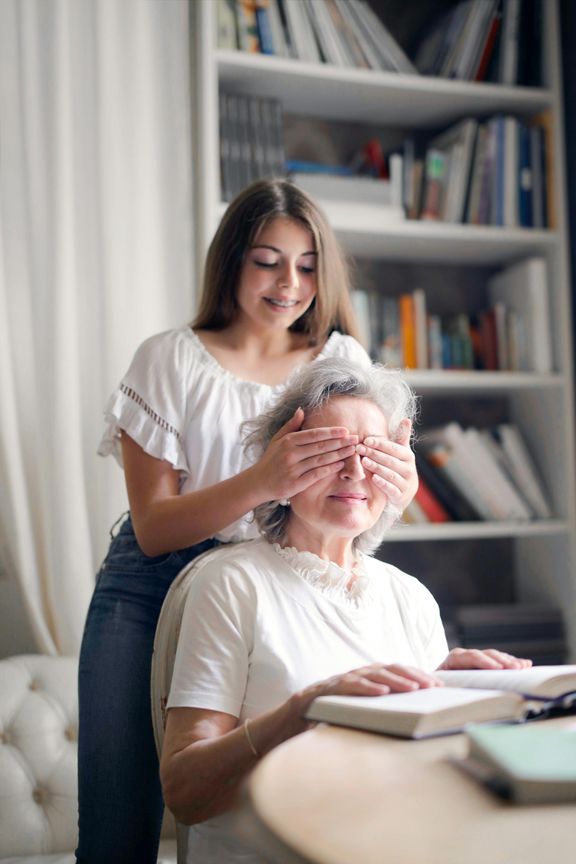
I was always close to my mom, but Grandma was my safe place. After school, I’d go to her house, help fold laundry, or watch her slice apples with the same paring knife she’d used since before I was born. She smelled like Ivory soap and cinnamon.
What I didn’t realize until later was how fractured things were between Grandma and her other daughter — my Aunt Karen.
Karen was ten years older than Mom. She left town the moment she graduated college and only came back when it suited her. She lived in a sleek condo in Chicago, wore expensive perfume that lingered after she left, and acted like our family was something she’d outgrown.
Still, Grandma never said a bad word about her.
“She’s just finding her way,” she’d say, smoothing her skirt like the comment didn’t sting.
But I saw the hurt in her eyes.
Grandma gave Karen everything she could. She scrimped and saved to put her through college, helped with rent, car repairs, and even loaned her money when Karen lost a job in her 30s. It was never enough. Karen had a way of making Grandma feel small — like whatever she gave was the bare minimum.
The last time Karen visited before Grandma got sick, she criticized the wallpaper and complained about the lack of central air. Grandma stayed quiet and still cooked her favorite meal — chicken and dumplings. Karen barely touched it.
When Grandma was dying, I was 25. Watching someone you love fade does something to you. It chips away, piece by piece. The house felt quiet, but not peaceful — like the walls were holding their breath.
One night, Grandma called me into her room. I knelt beside her bed so I could hear her faint voice.
“Sweetheart,” she whispered, brushing my fingers, “after I’m gone, promise me you’ll move my rosebush. Dig it up after a year. Don’t forget.”
I nodded, throat tight. I didn’t understand why it mattered so much, but her eyes were firm.
“I promise.”
Then she added, “And remember, the house — I’m leaving it to you and your mother. The lawyer has my will.”
She passed not long after.
At the funeral, Karen arrived looking like she stepped out of a magazine — black dress, clicking heels. At the wake, she walked through the house like a realtor, eyes lingering on furniture and cabinets.
Three days later, she showed up with a folder.
“The house is mine,” she said coolly. “Mom left it to me.”
She showed us a will we’d never seen before.
Mom and I were stunned. Grandma had told us otherwise.
We searched everywhere for the original will. It was gone.
Karen had money and lawyers. We didn’t. So we packed our lives into boxes and left the only home I’d ever known. Karen turned it into a rental within weeks.
Mom and I moved into a small cottage across town. It wasn’t much, but it was ours.
Still, I couldn’t shake Grandma’s words about the rosebush.
It had stood in the backyard for decades — tall, proud, deep wine-colored blooms. Grandma talked to it like an old friend.
I called Karen and asked if I could take it.
“Take it,” she scoffed. “Just don’t bother me.”
I contacted the tenants — Mia and Rachel. They were kind and understanding.
When I returned to the yard, the house felt wrong. Colder. Like it didn’t recognize me anymore.
I knelt by the rosebush and began digging.
The soil fought me. My hands ached. Sweat ran down my back.
Then I heard it.
A dull clunk.
Not a rock. Not a root.
Heart racing, I cleared the dirt with my hands until my fingers hit metal.
Beneath the rosebush was a rusted iron box.
I pulled it free, heavier than I expected, and forced open the corroded clasp. Inside was a folded letter and a stack of documents tied with ribbon.
I recognized the handwriting instantly.
Grandma.

“Sweetheart,” the letter began, “if you’re reading this, you did as I asked. You moved my roses.”
She wrote that she’d left her will with the lawyer but feared Karen might twist things. Inside the box was a signed copy of her real will — proof.
“If things turned ugly,” she wrote, “this is everything you’ll need.”
She had known.
Grandma had planned for this all along.
I carefully packed the box and gently dug up the rosebush.
At the cottage, I handed the letter to my mom. She read it with trembling hands, then looked at me through tears.
“This is real,” she whispered.
The next day, we met with a lawyer. He confirmed what we feared — fraud.
The case went to court. Experts examined the documents. The forged will didn’t match Grandma’s handwriting. Financial records revealed suspicious payments.
Karen’s confidence crumbled.
The judge ruled the original will valid.
The house was ours again.
Karen was ordered to pay damages. Her lawyer lost his license. Criminal charges followed.
Weeks later, we returned home.
The house still smelled faintly of lavender and old wood.
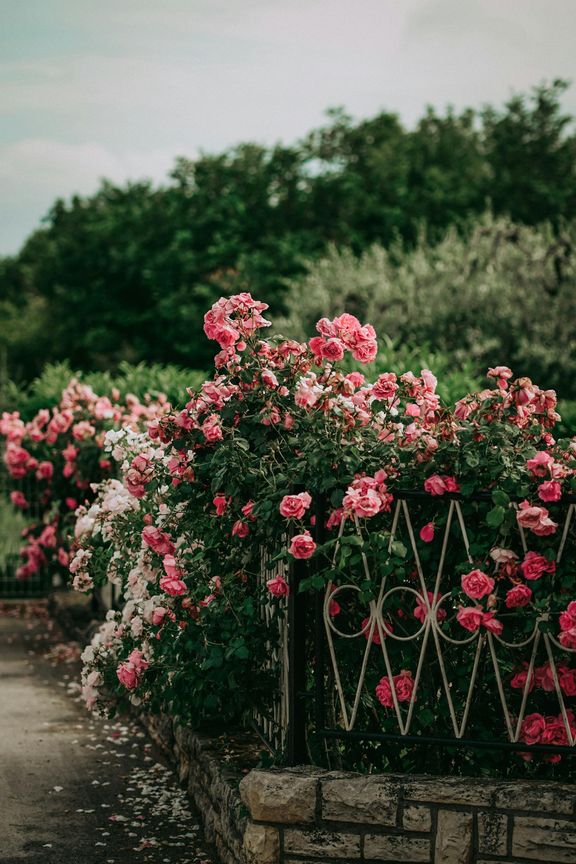
When the time came, I replanted the rosebush in its original spot. The soil felt softer — welcoming.
As the sun set, I sat on the porch steps and watched the leaves sway.
For the first time since losing Grandma, I felt peace.
Her roses had led me to the truth.
Her love had protected us — even after she was gone.
The house was ours again.
And so was the garden.
